Why this place
Salvador
Salvador combines one of Brazil’s strongest cultural identities with colonial history, Bahian food, music, nightlife and city beaches.

Brazil · Culture · Food · Beach
Brazil’s Afro-Brazilian heart, where history, music, food and tropical beaches meet.
Why this place
Salvador combines one of Brazil’s strongest cultural identities with colonial history, Bahian food, music, nightlife and city beaches.
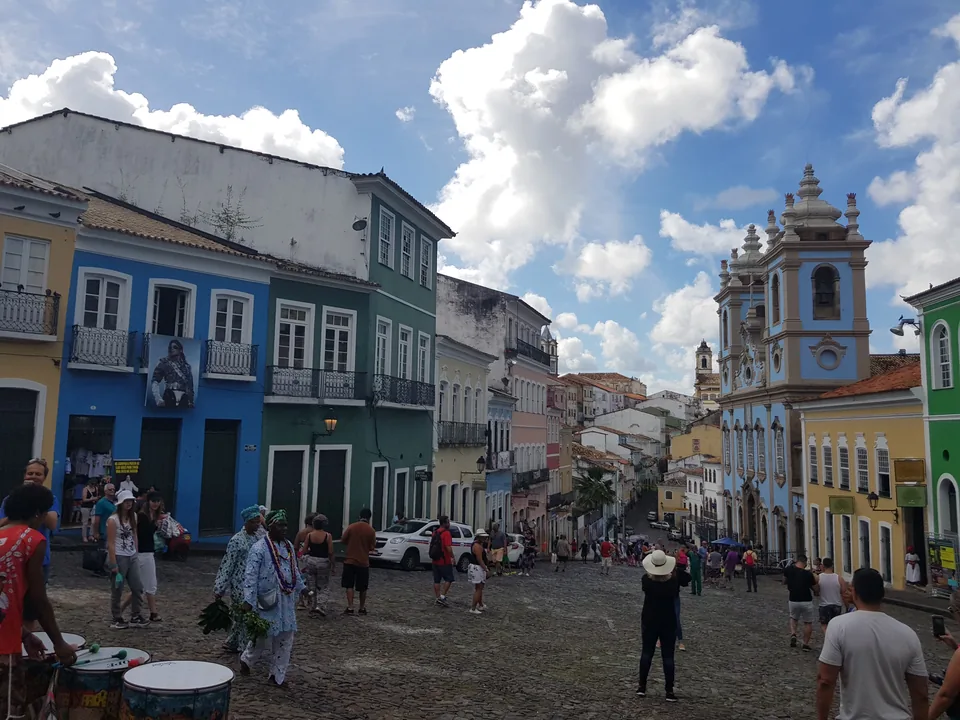
A place should not be reduced to one hero image. These views show different parts of the experience and landscape.
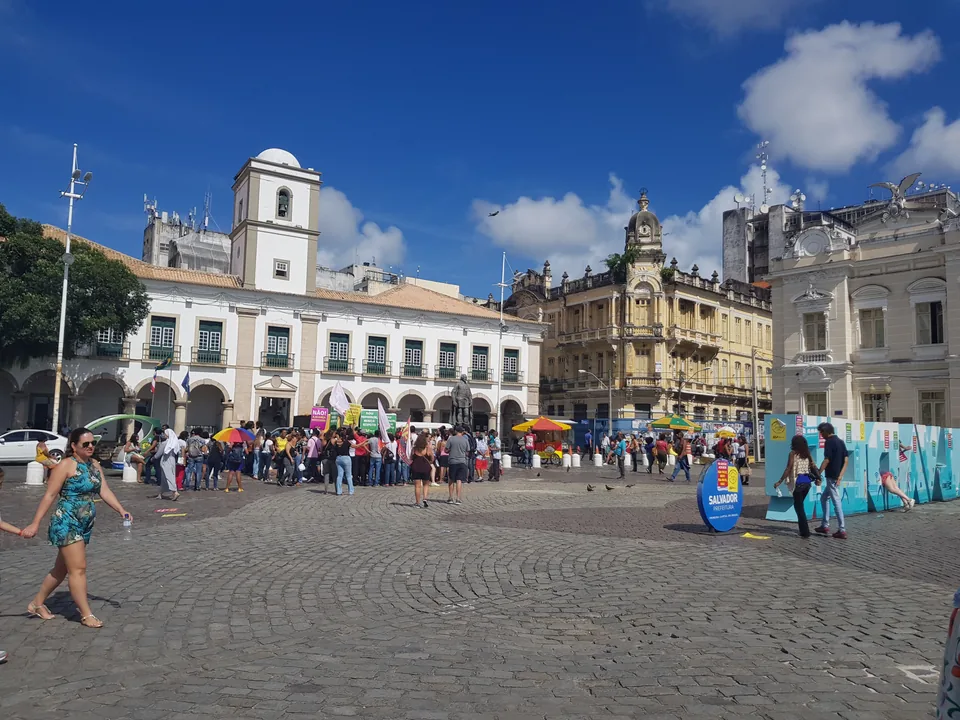
Salvador’s historic centre opens into cobbled squares and busy public spaces.
Photo: © Mirco Rehmeier ·
Farol da Barra stands beside Salvador’s Atlantic beaches and seafront walks.
Photo: Emerson Monteiro · CC BY-SA 4.0The Brasilll take
Its strongest reason to go is the way history, Afro-Brazilian culture, food, music and everyday city life overlap. Salvador was Brazil’s first capital from 1549 to 1763, and its historic centre is UNESCO-listed, but the city makes most sense when you combine that history with the waterfront, neighbourhoods and Bahian food culture.
The historic centre gives you the clearest introduction to Salvador’s colonial urban fabric and the city’s layered past. Give it time beyond the postcard façades: the value is in understanding how African, European and Indigenous influences shaped the city, not just photographing colourful streets.
Bahian cooking is one of Salvador’s strongest travel reasons. Acarajé, moqueca, vatapá and dishes built around dendê are not side notes to the trip. Try them in more than one neighbourhood and treat food as part of the cultural itinerary.
Porto da Barra is lively and urban; Barra combines the waterfront with one of the city’s best-known lighthouses; Stella Maris leans more toward surf and open beach. The point is choice: beaches can fill part of the trip without replacing the cultural reason to be here.
The same 0–10 scale is used across the catalogue, so strengths and compromises stay comparable.
These are editorial fit ratings, not visitor-review averages or safety guarantees. A high score describes a strength for a particular kind of trip. How to read these scores →
Best for historic atmosphere, walking, architecture, restaurants and the strongest first encounter with Salvador’s cultural identity.
A practical first-time base if you want waterfront walks, an urban beach and relatively easy access to other parts of the city.
A better look at contemporary Salvador, especially if food, bars and evening atmosphere matter to you.
More useful when beach time is a real priority and you do not need to stay close to the historic centre every day.
Season matters. These monthly scores combine our current baseline for climate, access and overall travel fit.
Monthly ratings are broad planning guidance, not a weather forecast or confirmation that every activity is operating.
Start with Pelourinho and the upper historic centre. Use the day to understand the city’s history before chasing individual sights.
Shift to the waterfront, combine Barra with a beach stop and leave time for sunset around the bay side of the city.
Spend more time in Rio Vermelho and nearby areas, using meals and evening atmosphere as part of the experience rather than an afterthought.
Go deeper into culture and history, or use the day for Itapuã, Stella Maris or another beach-focused part of the city.
Brasilll
Four to five nights is our sweet spot for a first visit. Three nights works if Salvador is one stop in a larger Bahia trip, but it forces you to choose between culture and beach time. Five nights gives the city room to feel like a place rather than a checklist.
Found an outdated price, route or detail? Send the page URL, the information that needs changing and a supporting source if available.
Report an error →Use Find Your Brasil to compare this destination with the rest of the country using your own priorities.
Plan Brazil
Use these rounded door-to-door estimates to judge the travel day. Confirm the actual service and departure time before booking.
Consider arriving directly here to avoid backtracking. Check the actual arrival airport or terminal and the onward journey to your accommodation.
These are selected options for your next stop. Confirm operating days, connections and total travel time for your dates.