6 nights · default stay

Brazil · Nature · Ecotourism · Expedition

Chapada Diamantina

Chapada Diamantina is Bahia's mountain-and-canyon country: tabletop peaks, vast valleys, high waterfalls and underground caves that reward slow exploration. Lençóis is a practical first base, but Vale do Capão and the southern towns lead to different landscapes and trails. Choose the kind of hiking you want before you decide how far to drive each day.

Recommended stay5–7 nights
Ease of travel5/10
First Brazil trip7/10
Infrastructure5/10
Mountain landscape at Morro do Pai Inácio in Chapada Diamantina, Bahia
12.56°S · 41.39°W Nature
Photo: Paulo SP / Wikimedia · CC BY-SA 4.0

Why this place

Chapada Diamantina

Chapada Diamantina is a large mountain region rather than a single attraction. Its trails connect waterfalls, caves, high plateaus, old mining settlements and varied ecosystems, rewarding travellers who give it enough time and accept more complex road and hiking logistics.

This is a large region, not a single national-park gate. Morro do Pai Inácio and several northern cave stops fit a different day from the upper Cachoeira da Fumaça route. A visit to Cachoeira do Buracão in the south can require a change of base; a Vale do Pati trek usually takes several days rather than one spare afternoon.

The famous waterfalls and caves are not interchangeable swimming stops. The upper Fumaça trail is a viewpoint hike, while caves such as Lapa Doce involve controlled entry, local arrangements and different terrain. Ask about guides, access fees at each separately operated attraction, recent rain and the condition of trails before committing.
The Brasilll take

Chapada Diamantina is a region to travel through, not an attraction to tick off.

Table-top mountains, deep valleys, waterfalls, caves and former mining settlements are spread across a large part of inland Bahia. The destination rewards travellers who choose a base and a style of hiking instead of trying to collect every famous viewpoint.

Why Chapada deserves a real itinerary

01

The landscapes keep changing

Pai Inácio, Fumaça, caves, canyons and the Vale do Pati do not feel like versions of the same attraction. The region’s strength is variety across several days.

02

Hiking ranges from easy to serious

Some viewpoints need short walks; other goals involve long days or multi-day trekking. Be honest about fitness and heat rather than choosing only from photographs.

03

Mining towns give nature context

Lençóis, Mucugê, Igatu and Vale do Capão add architecture and history to a trip that might otherwise become only waterfalls and trails.

Before you book

Chapada Diamantina: three checks before you commit to a trail

The national park has free entry, but that does not make every waterfall a free, easy or self-guided outing. ICMBio describes unmarked trails without reliable cell signal, and the famous hikes demand very different amounts of time.

01

Distinguish national park entry from attraction charges

ICMBio states there is no entry fee for Chapada Diamantina National Park. This does not include independent municipal or privately operated attractions, transport or guide fees. Before paying, ask where the specific waterfall or cave lies, who controls the access and whether it requires a local conductor.

02

Know exactly which Fumaça route you mean

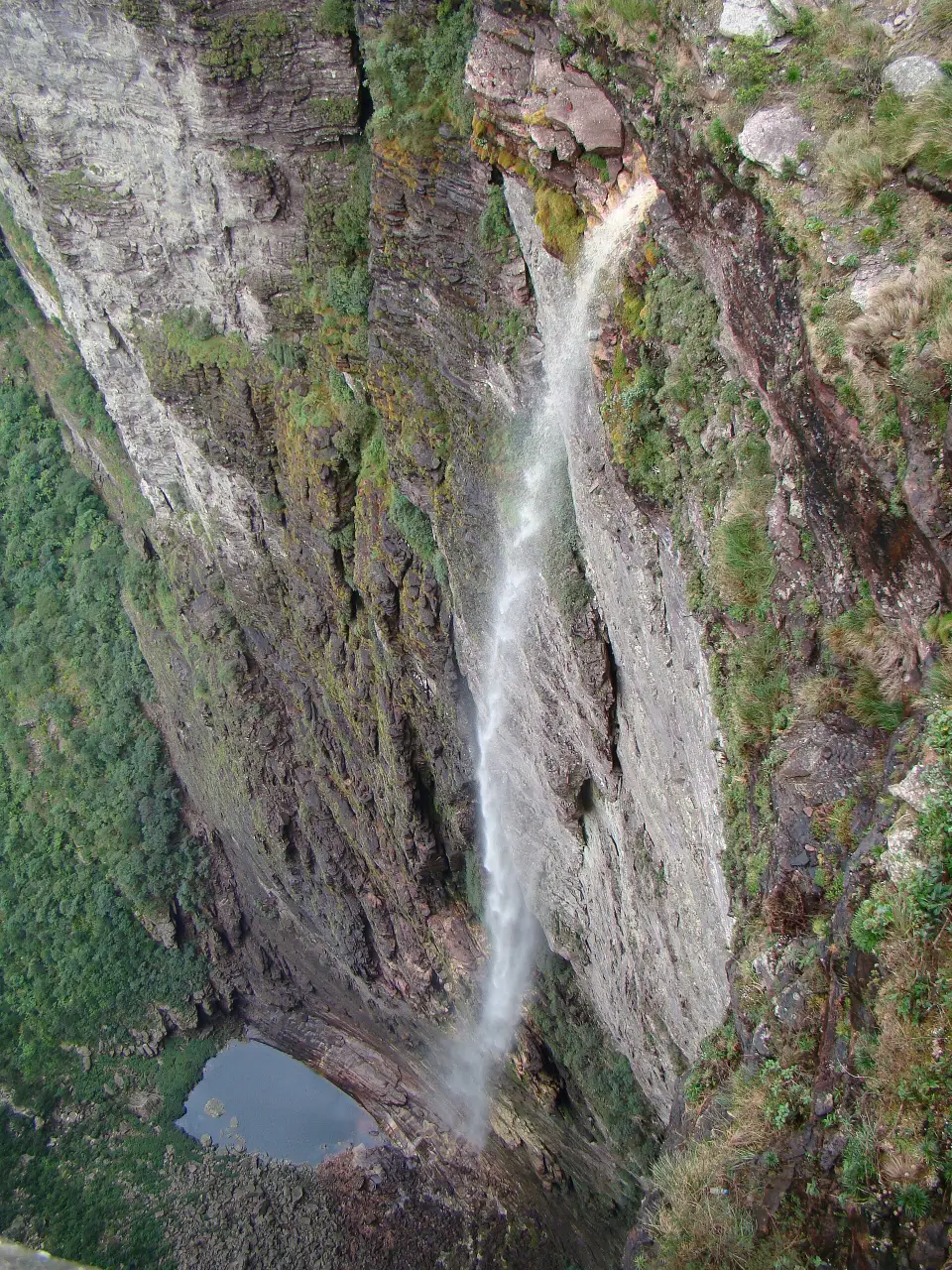
The upper Cachoeira da Fumaça viewpoint begins near Campos in Vale do Capão, involves roughly 5 km each way and a steep first climb, and is a viewing hike, not a swimming stop. The lower approach is a separate multi-day wilderness trek. Check trail and weather conditions with a guide instead of booking either from a photograph alone.

03

Build a realistic base and rescue plan

Lençóis and Vale do Capão serve the northern routes, while Mucugê and Ibicoara fit other southern experiences. ICMBio warns that park trails can be poorly marked and lack mobile reception. Tell someone your itinerary, use experienced local guidance and do not improvise a same-day Pati crossing or a major southward transfer.

At a glance

Brasilll scorecard

The same 0–10 scale is used across the catalogue, so strengths and compromises stay comparable.

These are editorial fit ratings, not visitor-review averages or safety guarantees. A high score describes a strength for a particular kind of trip. How to read these scores →

Culture7/10
Food7/10
History8/10
Nightlife3/10
Beach0/10
Nature10/10
Wildlife8/10
Adventure10/10
Local feel10/10
Photography10/10
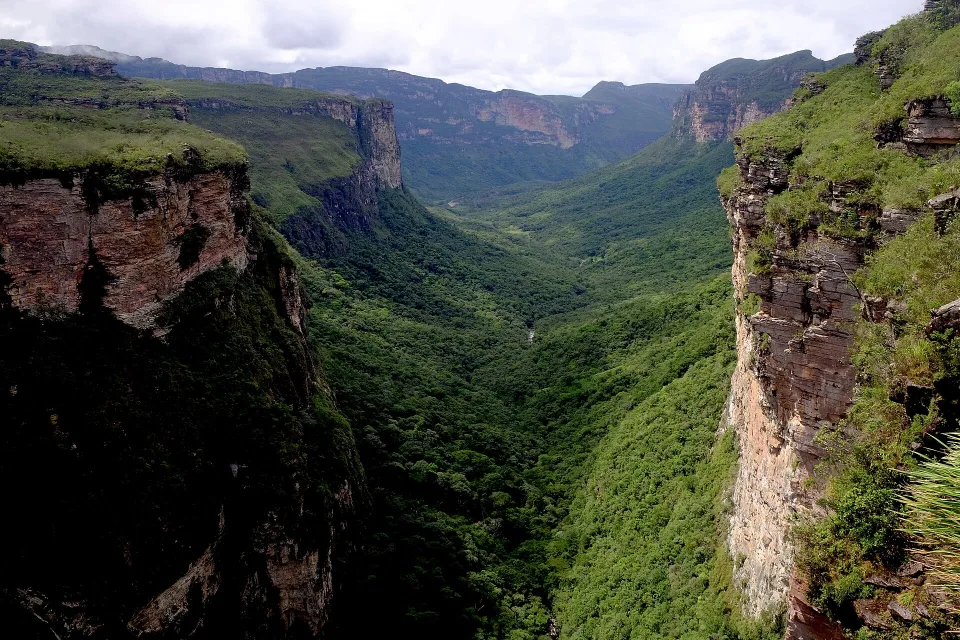
Real panoramic view across the green Vale do Pati valley and cliffs in Chapada Diamantina, Bahia
Photo: Jardelsliumba / Wikimedia Commons · CC BY-SA 3.0

Beyond the famous viewpoints

The valleys ask you to slow down

Vale do Pati is more than a photo stop. Its layered cliffs, trails and mountain communities belong to a multi-day walking landscape. Choose the right trailhead and local guide, and allow time to experience the valley rather than squeezing it into a rushed outing.

Compare Chapada's travel bases

Where to stay

Four useful Chapada bases and zones

Pick Lençóis for an accessible first base, Vale do Capão for northern hiking, Mucugê or Igatu for historic mountain towns, and Ibicoara for the demanding southern waterfall routes. Transferring between bases costs time.

Lençóis

The easiest first base with restaurants, agencies and access to several northern highlights; practical for a first trip.

Vale do Capão

More relaxed and trail-oriented, especially useful for Fumaça and travellers who enjoy a slower outdoor base.

Mucugê & Igatu

Historic mining settlements and a good southern complement, with different trails, architecture and atmosphere.

Ibicoara & south

Best for demanding waterfall goals such as Fumacinha and Buracão; transfers and hiking effort become more significant.

Travel smarter

Distances shape the trip

A few practical decisions before departure can save time and make the experience easier on the ground.

01

Do not base everything in one town

A map can hide long road times. For a longer trip, changing base once often saves more time than repeated day returns.

02

Dry and wet seasons trade strengths

May to October is generally cooler and drier for hiking; wetter months can strengthen waterfalls but make some trails and roads more demanding.

03

Guides matter on serious routes

For long canyon, waterfall or multi-day routes, local guiding improves navigation, safety and understanding of conditions.

Weather & timing

When to go

Season matters. These monthly scores combine our current baseline for climate, access and overall travel fit.

Monthly ratings are broad planning guidance, not a weather forecast or confirmation that every activity is operating.

Jan7/10
Feb7/10
Mar8/10
Apr8/10
May10/10
Jun10/10
Jul10/10
Aug10/10
Sep9/10
Oct9/10
Nov8/10
Dec7/10

Build your route

A strong first visit in five days

Five days work as an introduction, not a race across the entire region. Prioritise northern landscapes, one serious hike and a realistic southern day only if your accommodation and onward transfer allow it.

Day 1

Lençóis and orientation

Settle into Lençóis as your northern base, choose a short local walk and ask a guide about the week's trail and weather conditions. Do not treat the whole Chapada as a set of nearby waterfalls: the national park covers a large region, and the access road to Vale do Capão or southern Ibicoara can turn a casual plan into a transfer day.

Day 2

Pai Inácio and northern landscapes

Visit Morro do Pai Inácio for a viewpoint only when current access, light and weather allow it. Combine it with one northern cave or river stop if you have enough daylight and a realistic driving route, rather than planning every famous pool in one loop. Check admission rules at each attraction separately: the national park's free entry does not mean that municipal or private sites are free.

Day 3

Fumaça or Capão

For Cachoeira da Fumaça from above, start from the Campos area of Vale do Capão, not from a presumed Lençóis trailhead. ICMBio describes around 5 km each way with a steep initial climb, no swimming on this upper viewpoint route and poorly marked trails without mobile reception. Use a local conductor and give the walk the day; Vale do Pati is a separate multiday trek, not an afternoon detour.

Day 4

Move south

If travelling longer, relocate towards Mucugê or Ibicoara for the southern Chapada rather than repeatedly driving back to Lençóis. Use this day for the journey and historic mining-town context, confirming road conditions before departure. Travellers staying only four or five nights may instead keep one base and choose a nearer waterfall, avoiding a southern transfer they cannot justify.

Day 5

One major southern experience

Choose one achievable southern goal such as Cachoeira do Buracão with a local guide and confirmed access, then reserve enough time for the return; do not automatically substitute Fumacinha or the multiday Vale do Pati trek as if they required the same effort. If you have a flight or long drive that day, choose a shorter outing and do the demanding waterfall on an earlier full day.

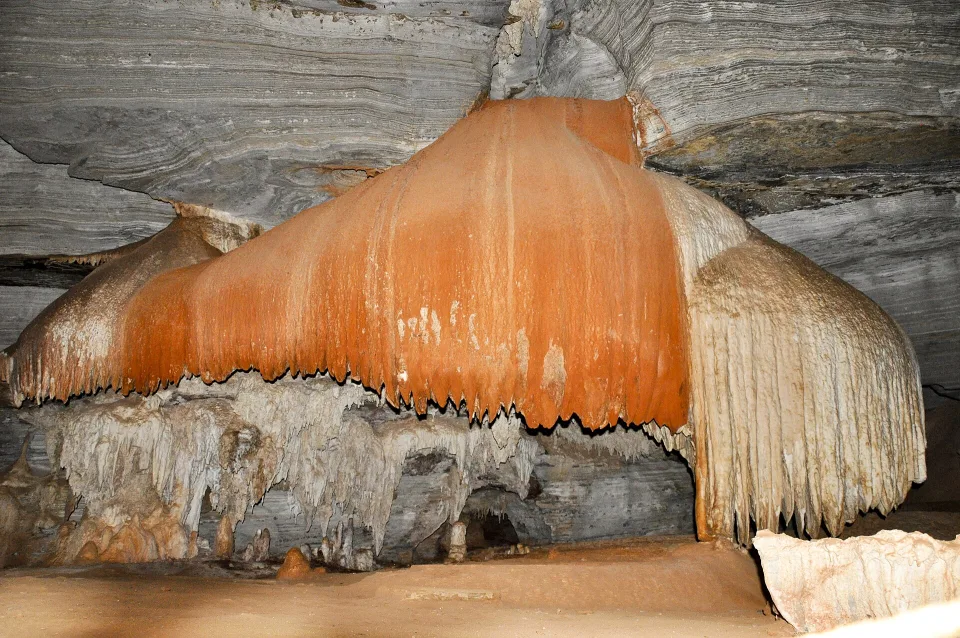
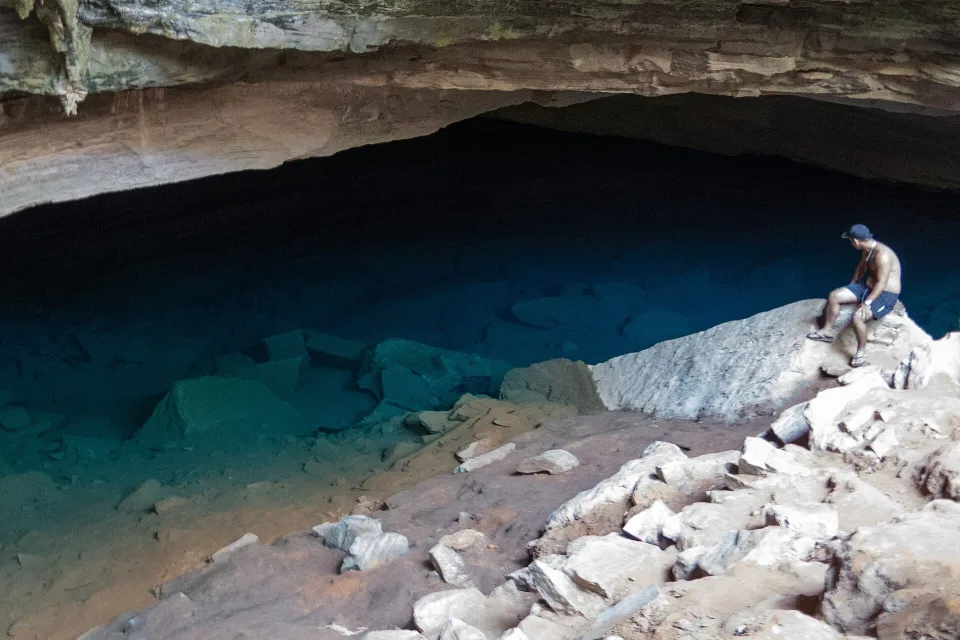
Real photograph from inside Gruta da Lapa Doce cave in Chapada Diamantina, Bahia
Photo: Heris Luiz Cordeiro Rocha / Wikimedia Commons · CC BY-SA 3.0

A landscape under the mountains

Chapada's quieter underground world

Lapa Doce shows another side of the region: caves and rock formations, not only waterfalls and peaks. Treat a cave visit as a separate guided experience, verify opening and access rules and leave time for the journey between attractions.

See the five-day route

Travel styles

Who does it suit?

These comparative scores show who is likely to enjoy this destination most—and where expectations may need adjusting.

Repeat Brazil travellers10/10
Slow travel10/10
Active travellers10/10
Backpackers10/10
Friends10/10
Families with teenagers9/10
Couples9/10
Solo9/10

Brasilll

How long should you stay?

Five to seven nights is the minimum range we like for a first visit. Four nights can work around one base, but seven allow a second zone and reduce the temptation to spend every day inside a vehicle.

With four or five nights, stay mainly in one area and choose walks that suit your fitness. Seven or more nights create more room for a northern-and-southern split; a proper Vale do Pati trek deserves its own multi-day schedule.

ICMBio lists national-park entry as free, but that does not cover privately managed caves, excursions or local guides. Some park paths are unmarked and have little phone coverage: confirm conditions, route difficulty and a return plan with an experienced local guide.

Found an outdated price, route or detail? Send the page URL, the information that needs changing and a supporting source if available.

Report an error →

Does this sound like your Brazil?

Use Find Your Brasil to compare this destination with the rest of the country using your own priorities.

Plan Brazil

Getting there & moving on

Use these rounded door-to-door estimates to judge the travel day. Confirm the actual service and departure time before booking.

Main planning gateway

Salvador

Typical access Road
Gateway transfer Road transfer · ~6 h 30 min Regular connections · Half-day transfer

Start by checking arrivals into Salvador, then confirm the onward transfer to this destination. Treat the road time as a planning estimate and leave some buffer for traffic, stops and local pickup arrangements.

Good onward connections

These are selected options for your next stop. Confirm operating days, connections and total travel time for your dates.