4 nights · default stay

Brazil · Nature · Ecotourism · Expedition

São Desidério & Cavernas

Limestone caves, blue pools and western Bahia's surprising karst landscape.

Recommended stay3–4 nights
Ease of travel4/10
First Brazil trip4/10
Infrastructure5/10
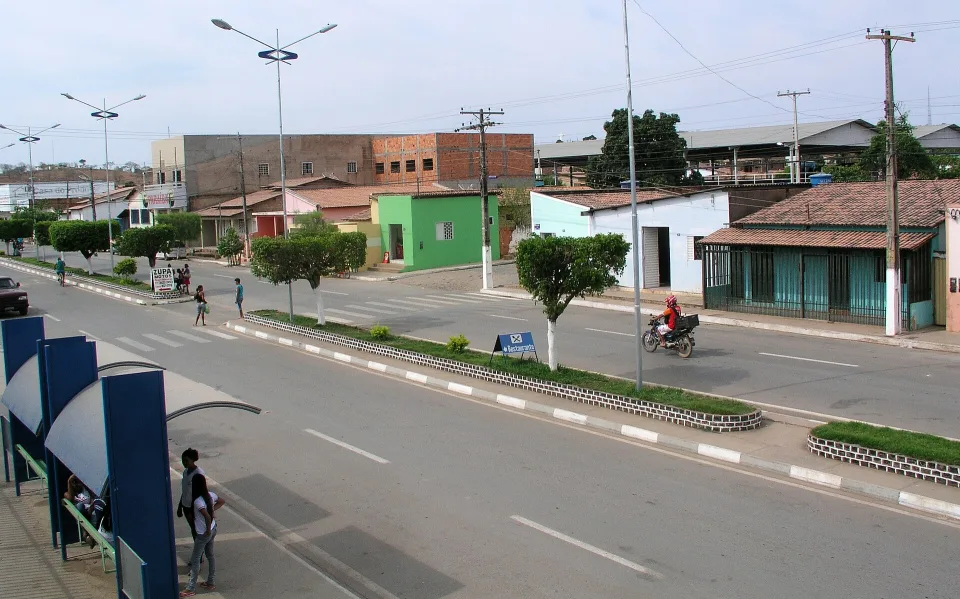
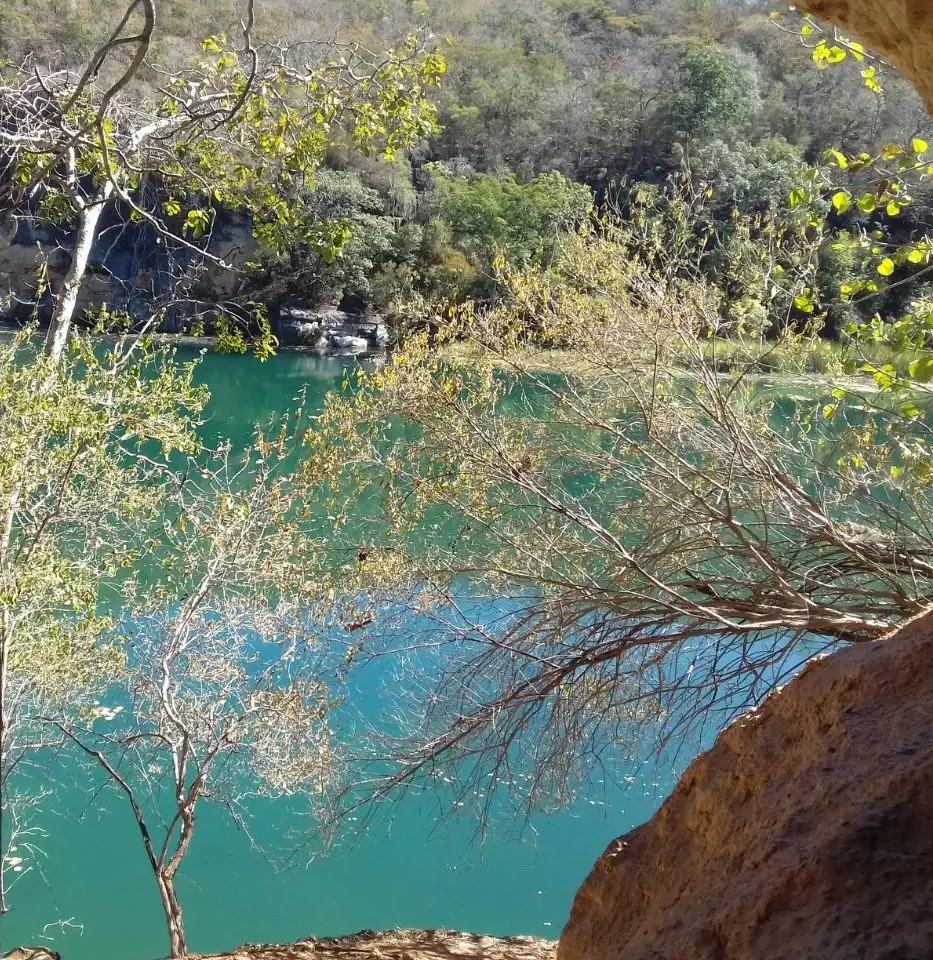
Landscape near São Desidério in western Bahia
12.36°S · 44.97°W Nature
Photo: JYB Devot · CC BY-SA 4.0

Why this place

São Desidério & Cavernas

São Desidério in western Bahia sits within one of Brazil’s major cave regions. The federally created Cavernas de São Desidério Natural Monument protects a large karst landscape with hundreds of registered cavities, underground water systems, archaeological and palaeontological interest and exceptionally large cave chambers. The destination is best approached as a guided geology-and-caves trip rather than ordinary sightseeing.

São Desidério rewards travellers who separate the town, Gruta do Catão and the region's other caves and sinkholes. Some areas have controlled access or conservation restrictions. Plan visits with local guides rather than treating every blue pool as an open swimming attraction.
Before you book

São Desidério caves: identify the park, permitted entrance and trained guide

The 2024 federal Natural Monument and municipal Lagoa Azul park have different authorities. A named cave or underground lake is not necessarily a public attraction.

01

Book the municipal Lagoa Azul and Catão circuit by its real access

A September 2026 São Francisco basin committee visit documents Lagoa Azul Municipal Park and Gruta do Catão, while the Brazilian Speleological Rescue Society describes a visitor route through doline viewpoints and the cave area. Contact the municipal tourism desk or a current local guide for access, meeting point, fee and whether the Catão section is currently open. Confirm walking surface and the uphill return; do not promise a full blue lake in the dry season.

02

Separate the federal monument, municipal park and private caves

ICMBio lists the Cavernas de São Desidério Natural Monument created by Decree 12.042/2024 to conserve caves, water and archaeological sites. SBE's earlier visitor guide describes other caves on privately owned rural properties. A place name from a caving report is not permission to enter: ask the appropriate park authority or owner about current visitor access, required guide, route and photography rules before arranging transport.

03

Match any underground visit to your group's experience

Distinguish an authorised nature-viewpoint walk from a technical cave interior. Ask about helmets, backup lights, stable footwear, rain and groundwater conditions, exit time and emergency response with a qualified local guide. Do not enter protected passages, touch formations, cross underground water or assume the Buraco do Inferno or Garganta do Bacupari features are generally open to tourists. If a cave is closed, choose a permitted surface-karst walk instead.

At a glance

Brasilll scorecard

The same 0–10 scale is used across the catalogue, so strengths and compromises stay comparable.

These are editorial fit ratings, not visitor-review averages or safety guarantees. A high score describes a strength for a particular kind of trip. How to read these scores →

Culture6/10
Food6/10
History7/10
Nightlife2/10
Beach0/10
Nature10/10
Wildlife6/10
Adventure10/10
Local feel9/10
Photography9/10
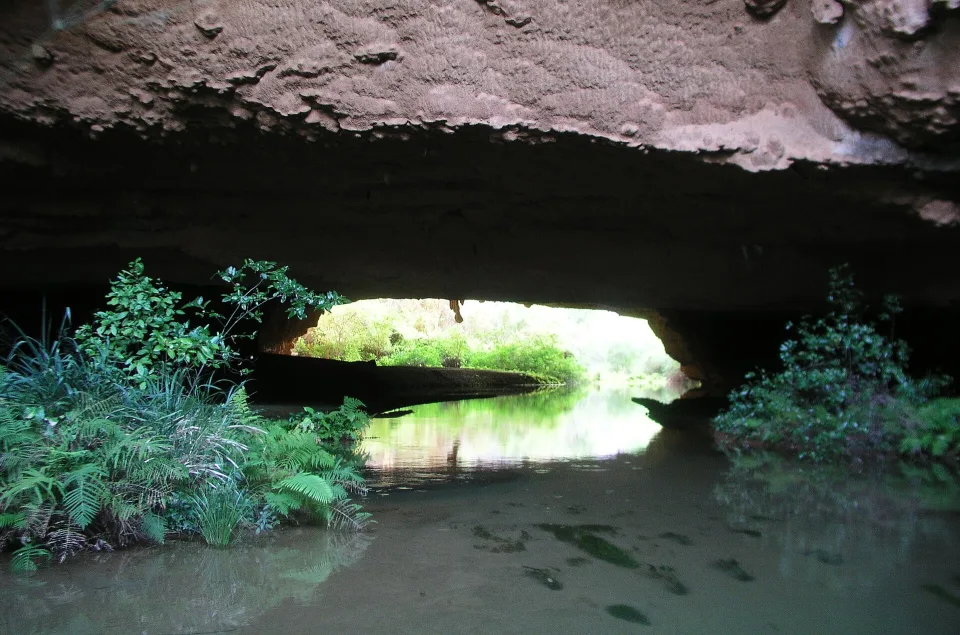
Limestone scenery at Gruta do Catão in São Desidério
Photo: JYB Devot / Wikimedia Commons · CC BY-SA 4.0 · Cropped for layout

Read the rock, not just the water

Catão: the limestone is the attraction

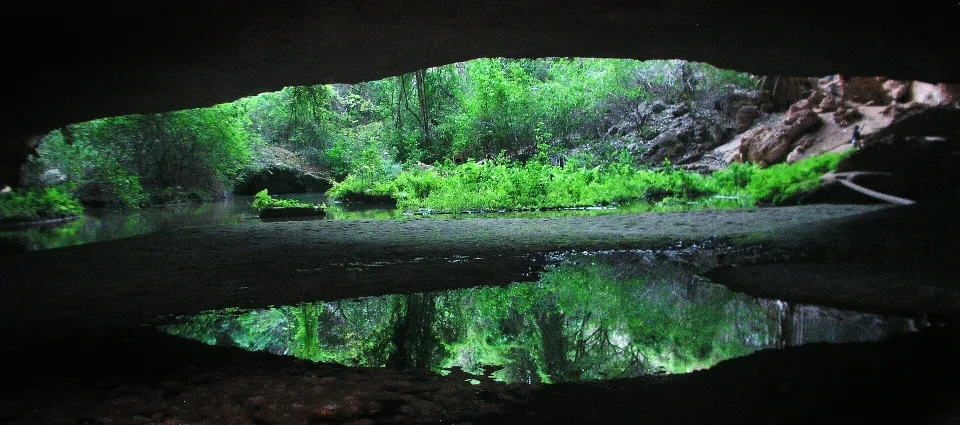
JYB Devot's 2011 photograph documents the limestone scenery at Gruta do Catão. The site's caves, fractured rock and water are connected parts of a karst system, not a generic lagoon. A local guide can explain which paths are currently allowed and how rain changes footing.

View the relevant planning section

Where to stay

São Desidério: distinguish a visitor walk from a protected cave

Catão, nearby sinkholes and the town are distinct places with different safety requirements.

São Desidério town — arrange access instead of arriving unannounced

This is a specialist cave destination in western Bahia, not a ticketed urban attraction where every entrance is staffed. Use the town to contact a knowledgeable local guide, ask about the precise site and confirm permission if the trail crosses private land. Specialist caving organisations specifically warn that some attractions lie on rural properties.

Parque Municipal Lagoa Azul and Gruta do Catão — a possible first introduction

The Brazilian Speleological Rescue Society describes a trail through Cerrado scenery, doline viewpoints, the Lagoa Azul water feature and Gruta do Catão. A typical outing takes about one to two hours on foot, but can have a steep climb back. Lagoa Azul's water level has fluctuated dramatically in previous dry periods, so never promise a blue lake at a given visit date.

Buraco da Sucupira and Sopradeira — ask about technical difficulty

The SBE describes a doline viewpoint at Sucupira and more demanding cave interiors around Sopradeira. These are not interchangeable with a straightforward lookout walk: check whether an individual site is actually approved for tourists, who grants entry, what safety equipment is required and whether your group has appropriate experience.

Garganta do Bacupari and Buraco do Inferno — remarkable science, not a guaranteed tour

ICMBio highlights the huge Salão Coliseu chamber at Garganta do Bacupari and the underground lake in Buraco do Inferno da Lagoa do Cemitério as conservation features. A feature appearing in an official biodiversity article is not confirmation of a currently bookable public cave visit. Treat these as protected, highly sensitive sites unless ICMBio and the authorised local operator confirm access.

Travel smarter

Four things a cave itinerary must verify

Confirm a local guide, conservation access, rainfall effects and whether swimming is explicitly permitted.

01

Federal monument and municipal Lagoa Azul are distinct designations

The Cavernas de São Desidério Natural Monument was created by federal Decree 12.042 in June 2024 to protect caves, water and archaeological heritage. The municipal Lagoa Azul park is a separate familiar visitor destination. Do not treat rules from one as automatic permission for the other.

02

Check property permission and specialist supervision

SBE notes that a number of cave attractions lie on private rural properties. Before booking, ask the local guide about owner permission, conservation restrictions, helmets, lighting, the route's grade and safe return time.

03

Lagoa Azul does not always look blue or full

The caving rescue association has documented major water-level changes, including unusually low water in dry years. Plan for dolines and geology rather than promising a permanent full lake.

04

Rare chambers and underground lakes are not tourist guarantees

The federal monument protects exceptional spaces, including Salão Coliseu and the underground lake at Buraco do Inferno. These are sensitive conservation sites; request an explicit current access confirmation instead of relying on spectacular published photographs.

Weather & timing

When to go

Season matters. These monthly scores combine our current baseline for climate, access and overall travel fit.

Monthly ratings are broad planning guidance, not a weather forecast or confirmation that every activity is operating.

Jan6/10
Feb6/10
Mar7/10
Apr8/10
May9/10
Jun10/10
Jul10/10
Aug10/10
Sep9/10
Oct8/10
Nov7/10
Dec6/10

Build your route

A cautious three-day caves-and-karst itinerary

Book a guided Catão visit first, then decide on any other cave based on current access.

Day 1

Use the town to check guide, permissions and site status

Make São Desidério town your first logistics stop rather than heading straight to a named cave on a map. Ask the municipal tourism office or an experienced local guide which visits are currently offered: the municipal Lagoa Azul park, the federal Cavernas de São Desidério Natural Monument and private rural cave properties operate under different access arrangements. Confirm entrance location, landowner or park permission, escort requirements, fees and recent rain before committing to transport. A 2023 caving association contact list may be out of date, so verify the person and authorisation now.

Day 2

Start with Lagoa Azul/Gruta do Catão if accessible

If open, choose a guided Lagoa Azul Municipal Park walk that includes the doline lookouts and Gruta do Catão only as far as visitor permission allows. The Brazilian Geological Survey describes the park's visitor reception and protected karst landscape, while the São Francisco basin committee documented a technical visit to both sites in September 2026. Ask whether the route covers the cave interior or just an entrance viewpoint; take shoes with grip, water and time for the uphill return. Avoid promising turquoise water: the lake's level has varied substantially.

Day 3

Match a second cave or surface-karst route to your experience

Discuss a second, clearly authorised karst or cave visit according to your group's experience, with a qualified guide and confirmation from any owner or conservation authority. Specialist rescue guidance describes other sites on private land, while ICMBio's federally protected monument highlights rare underground features that are not automatically a public cave itinerary. Before departing, confirm helmets, lights, rain and groundwater conditions, turnaround time and a safe alternative. If no cave is legally accessible, spend the day on an approved surface trail and return via the western Bahia road network.

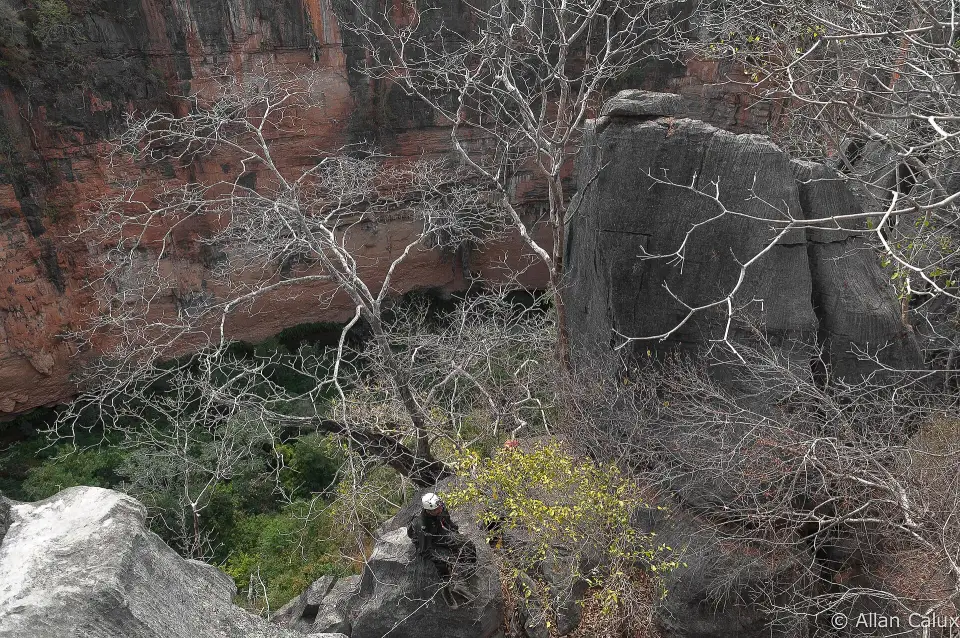
Caverna Buraco da Sucupira karst cave near São Desidério
Photo: Allan Calux / Wikimedia Commons · CC BY-SA 4.0 · Cropped for layout

More than one cave

Buraco da Sucupira: a separate karst site

Allan Calux's 2013 photograph shows Caverna Buraco da Sucupira near São Desidério. It is not Gruta do Catão and should not be treated as an extension of its visitor trail. Ask whether an authorised local operator can access it, and avoid entering caves or sinkholes without confirmed permission and equipment.

View the relevant planning section

Travel styles

Who does it suit?

These comparative scores show who is likely to enjoy this destination most—and where expectations may need adjusting.

Repeat Brazil travellers10/10
Active travellers10/10
Friends9/10
Slow travel8/10
Backpackers8/10
Families with teenagers8/10
Couples8/10
Solo7/10

Brasilll

How long should you stay?

We recommend 3–4 nights as a starting point. Include the arrival and departure journeys in your plan, then adjust the stay around the local outings you choose.

Reserve several days if you want more than the town and one guided karst site. Verify each visit's access, daylight and travel time before combining stops.

Found an outdated price, route or detail? Send the page URL, the information that needs changing and a supporting source if available.

Report an error →

Does this sound like your Brazil?

Use Find Your Brasil to compare this destination with the rest of the country using your own priorities.

Plan Brazil

Getting there & moving on

Use these rounded door-to-door estimates to judge the travel day. Confirm the actual service and departure time before booking.

Arrival base

São Desidério

Typical access Road

Arrange a São Desidério base and the precise accessible cave or karst outing with a local operator. A protected-area designation does not mean every chamber is open to visitors.

Good onward connections

These are selected options for your next stop. Confirm operating days, connections and total travel time for your dates.