
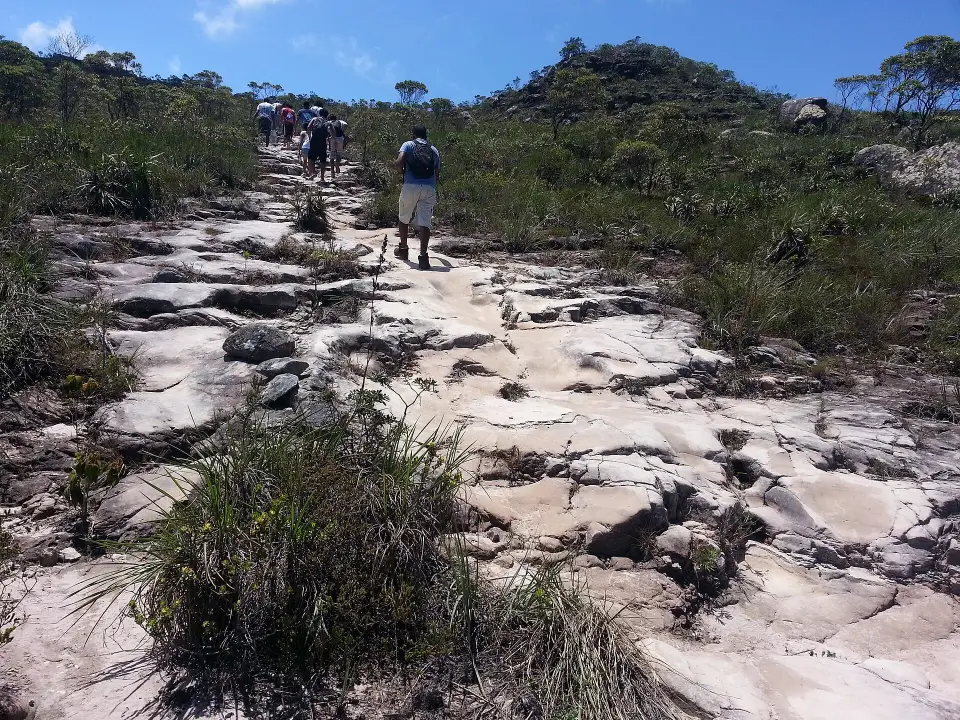
Start with the route, not a generic tropical packing list
Brazil crosses tropical and subtropical climates, huge altitude differences and very different travel environments. The Ministry of Health explicitly advises travellers to research the destinations on their route because climate and local conditions vary across the country.
For a classic city-and-beach trip, lightweight clothing and sun protection dominate. Add the Amazon or Pantanal and insect protection becomes much more important. Travel south or into highlands in cooler months and you may need a proper jacket rather than just an air-conditioning layer.
Check our best time to visit Brazil guide before packing. Your month and exact destinations matter more than an average temperature for “Brazil.”
Pack for the hardest 20% of your route, then keep the rest simple. One rainforest lodge or cold highland stop can justify gear that a week in Rio would not.
The core packing list for most Brazil trips
For most first trips, choose clothes that are comfortable in heat and humidity and that can be washed easily. You rarely need a different outfit for every day. Hotels, pousadas and city laundries make a lighter suitcase realistic on longer trips.
Bring comfortable walking shoes rather than footwear chosen only for photographs. Cobblestones in historic centres, uneven pavements, rainy streets and long airport days all reward shoes you already know.
- Lightweight, breathable tops and shorts or trousers.
- One lightweight long-sleeved shirt and one pair of long trousers.
- Comfortable walking shoes plus sandals or flip-flops.
- Swimwear, even on a mostly urban itinerary.
- Hat or cap, sunglasses and appropriate sunscreen.
- Compact rain shell or umbrella, depending on route and season.
- One warmer layer for air conditioning, evenings or cooler regions.
- Small cross-body or day bag that closes securely.
- Reusable water bottle where practical.
Cities and beaches: bring less than you think
Rio, Salvador, Recife, Fortaleza and many coastal destinations are casual in daytime. You do not need a wardrobe built around formal resort wear. Pack items that move easily between breakfast, sightseeing and the beach.
At the beach, take a small amount of cash or one payment method rather than every card and document you own. Our Brazil safety guide recommends reducing what you carry rather than trying to secure an overloaded beach bag.
Strong sun is a practical concern. Brazil’s Ministry of Health advises suitable clothing, hats, sunglasses and sunscreen, and recommends avoiding intense direct sun during the middle of the day where possible. A light long-sleeved shirt can be more useful than packing several extra T-shirts.
Amazon, Pantanal and ecotourism: protection matters more than style
For rainforest, wetlands and ecotourism, the Ministry of Health specifically recommends clothing that protects against mosquito and tick bites: long-sleeved shirts, long trousers, socks and closed shoes. It also advises repellent where needed.
Repellent is not something to improvise after the first evening. Brazilian health guidance lists active ingredients such as DEET, icaridin/picaridin and IR3535 when used according to the product instructions. Follow age, frequency and application directions on the label.
A small dry bag or waterproof pouch is useful for a phone, passport copy and camera during boat transfers or sudden rain. For a lodge stay, ask the lodge before buying specialist gear: many provide boots, ponchos, refill water and other route-specific equipment.
- Long-sleeved breathable shirts.
- Long lightweight trousers.
- Closed, comfortable shoes and suitable socks.
- Insect repellent appropriate for the traveller.
- Light rain protection.
- Dry bag or waterproof pouch for electronics and documents.
- Small torch or headlamp if your lodge recommends one.
- Any prescription medicines in sufficient quantity, with the prescription where appropriate.
Southern Brazil and highlands: pack actual layers
Brazilian winter is not uniformly warm. Curitiba, Serra Gaúcha, the mountains of Santa Catarina and other southern or high-altitude destinations can have cold mornings and evenings, especially from roughly June to August. Weather fronts can make conditions feel very different from the coast farther north.
For a southern winter route, add a warm mid-layer and a jacket that handles wind and light rain. Closed shoes and longer trousers become everyday items rather than insect-protection gear.
If your route combines Rio or Bahia with the South, layers are better than one bulky coat. Check the short-range forecast before departure because the exact conditions matter more than the season label.
Plugs and voltage: Type N, but voltage varies
Brazil uses the Type N socket standard. Visit Brasil states that electrical voltage varies by location between 110V and 220V, and many hotels may provide both. Do not assume the socket voltage from the city name alone when using a device that is not dual-voltage.
Most modern phone, laptop and camera chargers accept a wide input range such as 100–240V; check the small print on your own charger. If it does, you generally need only a plug adapter, not a voltage converter.
Bring one compact Type N-compatible adapter or a good universal travel adapter rather than multiple cheap adapters. If you travel with high-power appliances such as hair tools, check both plug compatibility and voltage carefully.
Domestic flights: keep the first 24 hours in your cabin bag
If your itinerary includes several domestic flights, keep medicines, travel documents, electronics, chargers and one basic change of clothes in cabin baggage. A delayed checked bag should not destroy a two-night stop in Foz or the first night of a lodge transfer.
ANAC’s passenger guidance says airlines must allow at least 10 kg of cabin baggage without an additional charge, while the airline defines permitted dimensions and number of pieces. Check the current fare and aircraft rules before packing around a particular suitcase.
Our flying in Brazil guide explains baggage and separate-ticket connections in more detail. If you are building a multi-stop trip, start with the 7, 10 and 14-day itineraries so you know how often you will actually be repacking.
Documents, medicines and a few things not to bury in the suitcase
Carry essential medication in the quantity you need for the trip and keep the relevant prescription or medical documentation where appropriate. Brazil’s Ministry of Health advises travellers who use regular medicines to bring the necessary quantity and their prescription, including medication in hand luggage.
Keep a secure digital copy of passport and insurance information accessible independently of the phone you carry every day. Do not carry every important original and payment card on every outing.
Health preparation depends on the route. Travellers heading into rural, forest or other risk areas should check current vaccination and mosquito-borne disease advice before departure rather than treating insect repellent as the whole health plan.
Brazil packing FAQ
What clothes should I pack for Brazil?
For most routes, pack lightweight breathable clothes, comfortable shoes, swimwear, sun protection, a rain layer and one warmer layer. Add long sleeves and long trousers for nature trips and more substantial layers for the South in cooler months.
Do I need insect repellent in Brazil?
It is particularly important for Amazon, Pantanal, rural, forest and other mosquito-prone routes. Brazilian health guidance recommends repellent and protective clothing where exposure exists.
What plug adapter do I need for Brazil?
Brazil uses Type N sockets. Voltage varies by location between 110V and 220V, so check whether your device accepts 100–240V before plugging it in.
Do I need a jacket in Brazil?
Sometimes. A light layer is useful almost everywhere for air conditioning or evenings, while southern Brazil and highland areas can require a genuinely warm jacket in cooler periods.
Should medicines go in checked luggage?
Essential medicines are better kept in cabin baggage with appropriate documentation, so you still have them if checked luggage is delayed.
Official packing and health references
Packing becomes more useful when it reflects the current route, climate and health advice. These official Brazilian sources cover the practical fundamentals.
- Brazil Ministry of Health — traveller basic care — Official advice on clothing, footwear, sun protection, hydration and repellent.
- Brazil Ministry of Health — protect yourself — Protective clothing and mosquito-bite prevention for ecotourism and risk areas.
- Visit Brasil — electric voltage — Official tourism information on Brazil’s varying voltage and Type N socket standard.
- ANAC — Viagem Dez — Passenger guidance including baggage rules for Brazilian flights.
Found an outdated price, route or detail? Send the page URL, the information that needs changing and a supporting source if available.
Report an error →