Why this place
Pantanal
The Pantanal is not an easy city break: it is a vast seasonal wetland where access, wildlife and landscapes change dramatically through the year.

Brazil · Wildlife · Ecotourism · Expedition
Brazil’s great wetland wilderness for wildlife, photography and immersive nature.
Why this place
The Pantanal is not an easy city break: it is a vast seasonal wetland where access, wildlife and landscapes change dramatically through the year.
A place should not be reduced to one hero image. These views show different parts of the experience and landscape.
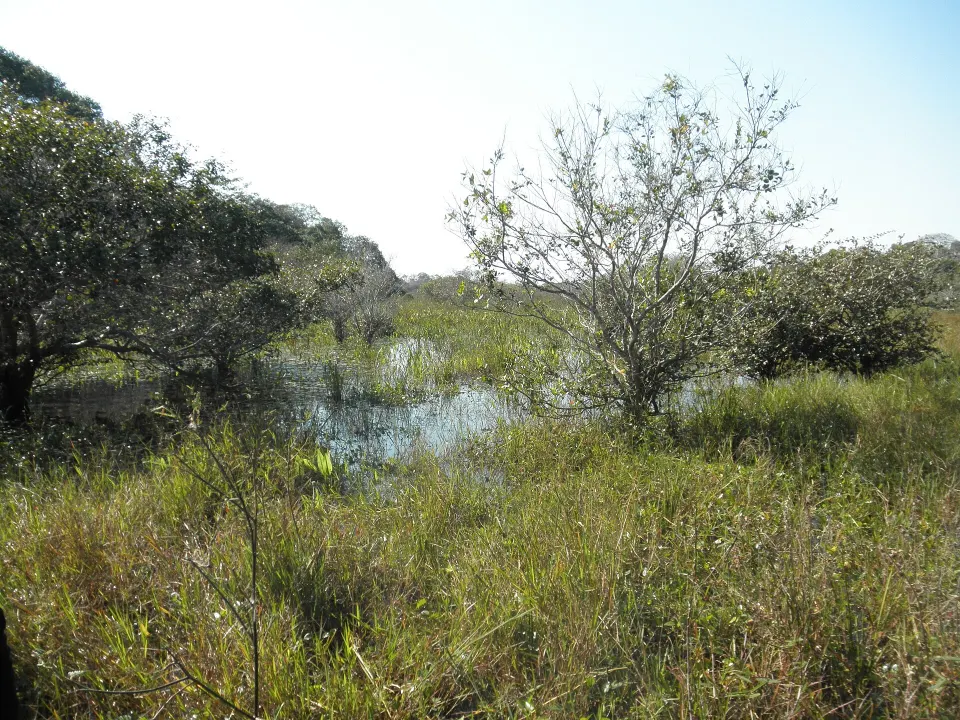
Seasonal water shapes the southern Pantanal’s landscape and wildlife journeys.
Photo: Stoni111121 · CC BY-SA 4.0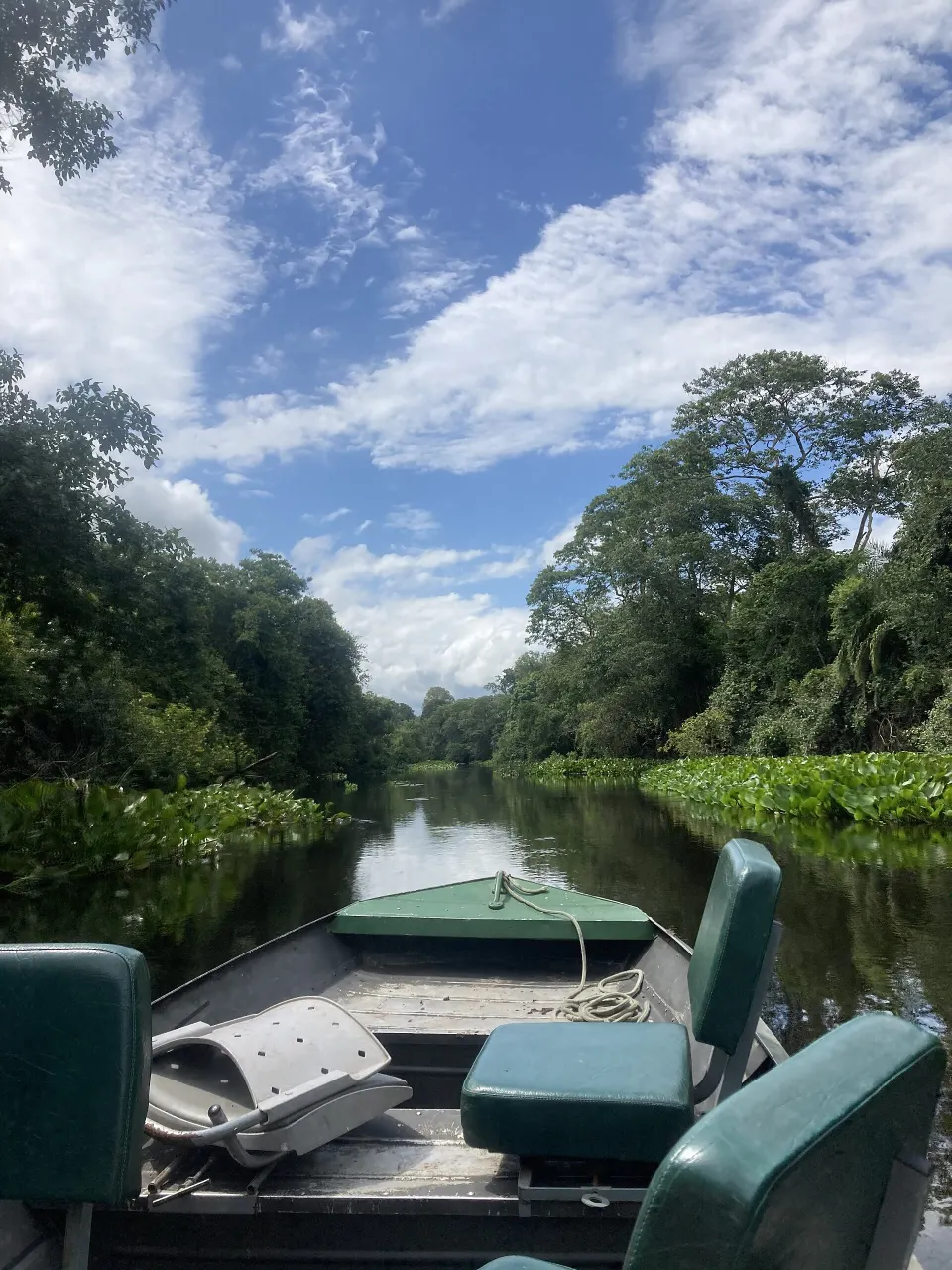
Boat outings on the Rio Miranda offer a view into the wetland’s river habitats.
Photo: Rezendevaleria · CC BY-SA 4.0The Brasilll take
It is a vast seasonal wetland where water controls access, animal movement and the look of the landscape. The north and south have different gateways and logistics; farm stays, river lodges and safari-style operations create different experiences; and the same property can feel completely different between flood and dry seasons. Go for wildlife, but understand that the real destination is the functioning wetland ecosystem and the culture that developed around it.
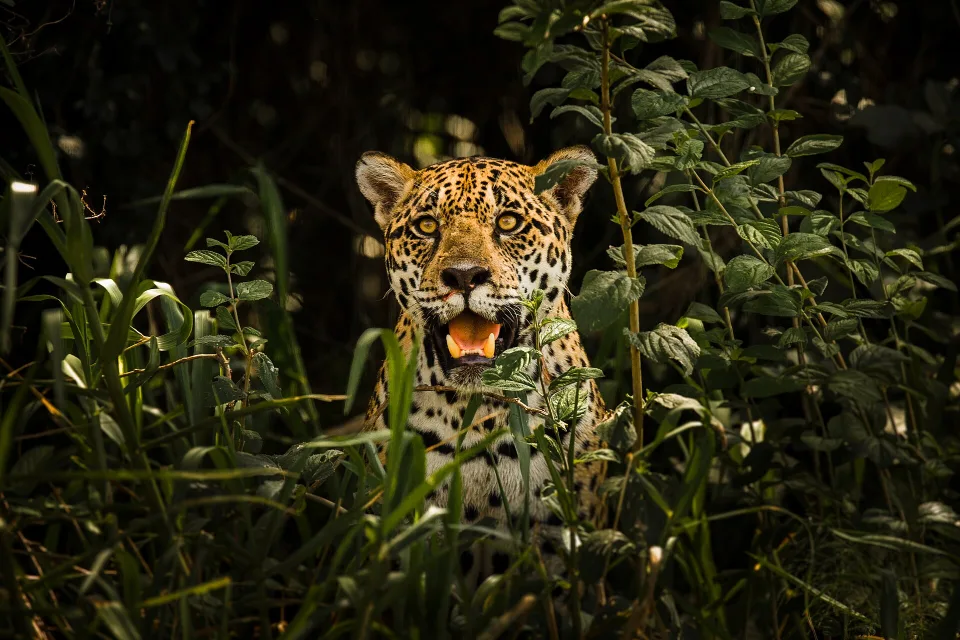
The Pantanal is one of Brazil’s strongest destinations for observing large animals and birds in open landscapes. Jaguars are the headline, especially in parts of the north, but capybaras, caimans, giant otters, anteaters, macaws and tuiuiús make the experience broader than one species.
Flooding and drying are not just weather notes. They change roads, boat access, vegetation, animal concentration and photography. Choosing the month should be part of choosing the experience, not an afterthought once flights are booked.
Cattle farms, horses, river transport, fishing traditions and regional food are part of the Pantanal identity. A good stay gives you contact with that human landscape rather than treating the wetland as a fenced wildlife park.
The same 0–10 scale is used across the catalogue, so strengths and compromises stay comparable.
These are editorial fit ratings, not visitor-review averages or safety guarantees. A high score describes a strength for a particular kind of trip. How to read these scores →
The Transpantaneira corridor leads south toward Porto Jofre and is especially strong for concentrated wildlife viewing and river-based jaguar trips in the dry season.
A broader set of farm and lodge areas around Miranda, Aquidauana and other gateways, often combining safaris, horse riding, wetlands and ranch culture.
Boats and hotel-boats shift the experience toward rivers, fishing, birds and wildlife on the banks. They are particularly useful when water becomes the easiest way to move through the landscape.
A good farm lodge can combine wildlife drives, horseback riding, walks and regional food while explaining how people have lived with seasonal flooding for generations.
The Pantanal is too large to treat as one point on a map. Decide which wildlife goals, season and lodge style matter, then choose Cuiabá or Campo Grande as the gateway rather than the other way around.
Wildlife is not staged. Experienced local guides read tracks, calls, water levels and animal behaviour, dramatically improving what you understand even when a jaguar never appears.
The comfort level varies by lodge, but nature sets the schedule. Sunrise outings, long drives or boat sessions and changing weather are part of the experience, not service failures.
Season matters. These monthly scores combine our current baseline for climate, access and overall travel fit.
Monthly ratings are broad planning guidance, not a weather forecast or confirmation that every activity is operating.
Transfer to the lodge and use the first outing to understand water, vegetation and the local rhythm rather than expecting the biggest sighting immediately.
Combine an early outing with a later safari, walk or boat trip. The same route can produce completely different animals at different hours.
Use the lodge’s strongest specialist activity — river safari, jaguar search, horse ride or extended drive — based on the region and season you chose.
If you have been mostly in vehicles, spend more time on water or foot; if you have been river-based, add farm landscape and local culture.
Keep one last nature outing before returning to the gateway. Wildlife trips often reward repetition, and the final morning can be as strong as the first full day.
Brasilll
Four to six nights is a realistic first Pantanal stay. Three nights is possible but leaves little buffer for wildlife randomness and long transfers. Five nights gives enough repeated outings for the ecosystem to reveal itself instead of turning the trip into a single high-stakes search for a jaguar.
Found an outdated price, route or detail? Send the page URL, the information that needs changing and a supporting source if available.
Report an error →Use Find Your Brasil to compare this destination with the rest of the country using your own priorities.
Plan Brazil
Use these rounded door-to-door estimates to judge the travel day. Confirm the actual service and departure time before booking.
Start by checking arrivals into São Paulo, then confirm the onward transfer to this destination. This combines a flight with an onward transfer, so leave enough margin between the stages.
These are selected options for your next stop. Confirm operating days, connections and total travel time for your dates.