Why this place
São Paulo
São Paulo is Brazil at metropolitan scale: a dense, diverse city whose strongest rewards are food, culture, art, neighbourhood life and an enormous range of things to do rather than postcard scenery.

Brazil · Global city · Food · Culture
Brazil’s immense metropolis for food, museums, neighbourhoods, design and nightlife.
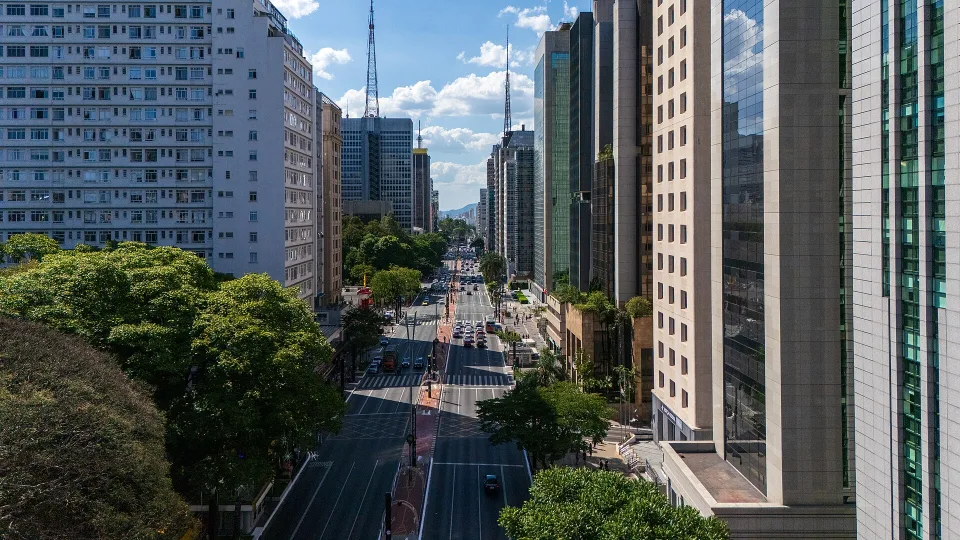
Why this place
São Paulo is Brazil at metropolitan scale: a dense, diverse city whose strongest rewards are food, culture, art, neighbourhood life and an enormous range of things to do rather than postcard scenery.
A place should not be reduced to one hero image. These views show different parts of the experience and landscape.
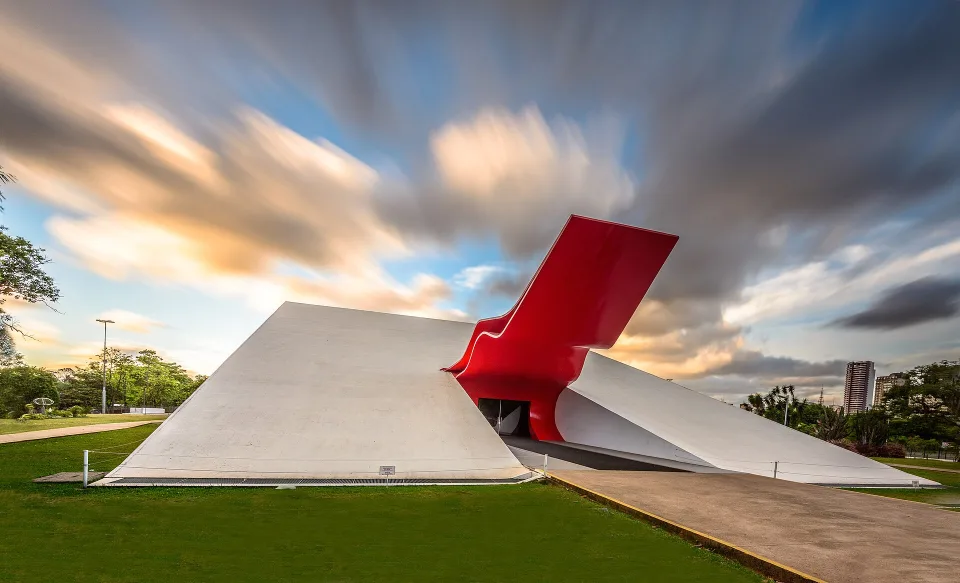
Ibirapuera brings together parkland, museums and modernist architecture within São Paulo.
Photo: DlauriniJr · CC BY-SA 4.0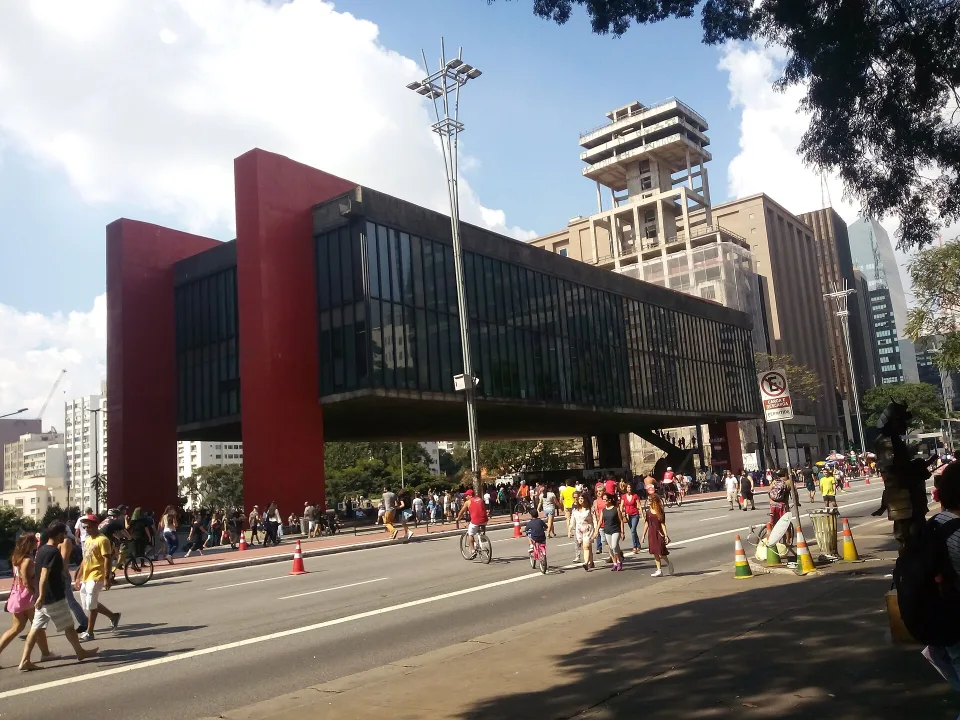
MASP is a cultural and architectural landmark on Avenida Paulista.
Photo: Rafael Wojtyla · CC BY-SA 4.0The Brasilll take
Brazil’s largest metropolis is a collection of neighbourhoods, food scenes, museums, parks and nightlife rather than a single postcard. Give it enough time to move between different parts of the city and São Paulo becomes one of the country’s strongest culture-and-food destinations.
São Paulo’s scale and immigrant history produce an unusually broad restaurant culture. Brazilian regional cooking, Japanese influence, Italian traditions, contemporary tasting menus and simple neighbourhood meals can all belong to the same trip.
MASP on Avenida Paulista, institutions around Ibirapuera and smaller galleries are not isolated attractions. They sit inside areas that are worth walking, eating and spending time in before and after the museum itself.
Pinheiros, Vila Madalena, Liberdade, Jardins, Centro and the Paulista corridor feel very different. São Paulo rewards travellers who choose a few areas and explore them properly instead of crossing the city for a checklist.
The same 0–10 scale is used across the catalogue, so strengths and compromises stay comparable.
These are editorial fit ratings, not visitor-review averages or safety guarantees. A high score describes a strength for a particular kind of trip. How to read these scores →
A strong first-time base for museums, restaurants, transport links and an easy introduction to the city’s scale.
Better for restaurants, bars, independent shops, street art and evenings that continue after sightseeing ends.
Known for strong Japanese and wider Asian influence, markets and food; best visited as a district rather than reduced to one landmark.
Important for architecture and urban history, but it benefits from more deliberate planning and awareness of the immediate streets you use.
A good neighbourhood can save hours over a multi-day stay. Match accommodation to the areas you expect to use most rather than choosing only by hotel price.
The metro is excellent on useful corridors, but the city is enormous. Mixing public transport with cars is often more realistic than insisting on one mode.
Major cultural institutions do not all close on the same day. Build the week around opening times before assigning neighbourhood days.
Season matters. These monthly scores combine our current baseline for climate, access and overall travel fit.
Monthly ratings are broad planning guidance, not a weather forecast or confirmation that every activity is operating.
Start with the Paulista corridor, add MASP or another major museum, then use Jardins for food and an evening close to your base.
Give Ibirapuera enough time for the park and one or two cultural spaces rather than rushing between every building.
Focus on Pinheiros and Vila Madalena for markets, cafés, shops, street art, restaurants and nightlife.
Use Liberdade and Centro for a more historical and multicultural day, or go deeper into food, galleries and a neighbourhood that best matches your interests.
Brasilll
Four to six nights is a sensible first stay. Three nights can prove that the city is interesting, but it encourages too much crossing between districts. Five nights lets you build days by neighbourhood and makes São Paulo feel less like logistics and more like a destination.
Found an outdated price, route or detail? Send the page URL, the information that needs changing and a supporting source if available.
Report an error →Use Find Your Brasil to compare this destination with the rest of the country using your own priorities.
Plan Brazil
Use these rounded door-to-door estimates to judge the travel day. Confirm the actual service and departure time before booking.
Consider arriving directly here to avoid backtracking. Check the actual arrival airport or terminal and the onward journey to your accommodation.
These are selected options for your next stop. Confirm operating days, connections and total travel time for your dates.