Why this place
Rio de Janeiro
Rio combines a major world city with famous beaches, dramatic nature and a cultural identity that rewards both first visits and deeper exploration.

Brazil · Global city · Beach · Culture
Brazil’s iconic city of beaches, mountains, culture and nightlife.

Why this place
Rio combines a major world city with famous beaches, dramatic nature and a cultural identity that rewards both first visits and deeper exploration.
A place should not be reduced to one hero image. These views show different parts of the experience and landscape.
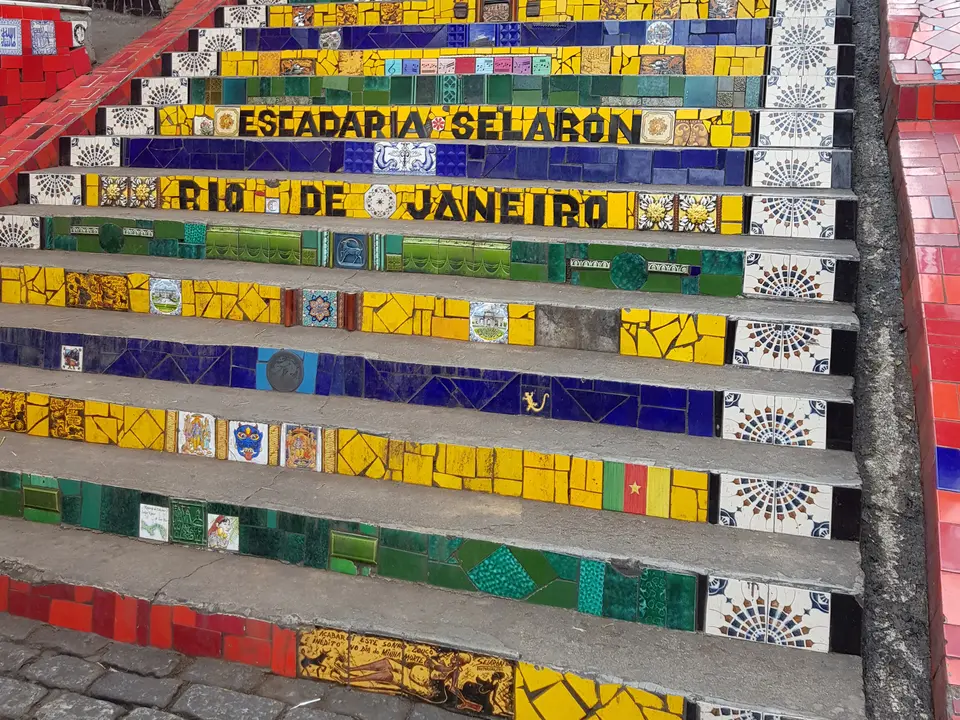
The mosaics of the Selarón Steps bring a closer, street-level perspective to Rio.
Photo: © Mirco Rehmeier ·
Ipanema’s shoreline and Rodrigo de Freitas Lagoon frame the densely built city between sea and mountains.
Photo: © Mirco Rehmeier ·The Brasilll take
Rio is famous enough that it is easy to reduce it to a checklist: Christ the Redeemer, Sugarloaf, Copacabana, Ipanema. The better trip is to understand why those places belong together. Forested mountains drop into dense neighbourhoods and beaches; viewpoints reveal how the city grew around Guanabara Bay; samba, football, beach life and nightlife happen inside that geography rather than beside it. UNESCO recognises precisely this interaction between city, mountain and sea.
Tijuca Forest, Corcovado, Sugarloaf, the lagoon and the beaches are not excursions away from Rio. They shape how the city looks and how people use it. Build time for both viewpoints and street-level life so the geography becomes more than a backdrop.
Copacabana, Ipanema, Arpoador and Leblon are useful because each shows a slightly different version of Rio. Even if you are not planning a full beach holiday, an afternoon and sunset on the sand helps explain the city’s outdoor rhythm better than another rushed attraction.
The historic centre, Santa Teresa, Lapa, museums around the port and live samba add the depth that a monument-only itinerary misses. Rio rewards travellers who mix headline sights with neighbourhoods, food and evenings rather than treating culture as a separate museum day.
The same 0–10 scale is used across the catalogue, so strengths and compromises stay comparable.
These are editorial fit ratings, not visitor-review averages or safety guarantees. A high score describes a strength for a particular kind of trip. How to read these scores →
A practical first-trip beach base. Compare the actual walk to Cardeal Arcoverde, Siqueira Campos or Cantagalo station before booking; Leme is farther from the metro. A beach address alone does not guarantee an easy journey to every sight.
Choose for beach time, restaurants and a more compact coastal routine. Check General Osório, Nossa Senhora da Paz or a Leblon station against your address. Expect the choice of location to affect the accommodation budget.
Useful for metro access, food and reaching different parts of the city. It is a practical urban base; choose Ipanema or Copacabana instead if swimming and long beach days are the main priority.
Choose for Sugarloaf and a quieter waterfront setting. Urca has no metro station: plan the onward leg from Botafogo or a vehicle transfer rather than assuming the two neighbourhoods have the same transport access.
Choose for architecture, music and evening atmosphere. Check the exact street, hills, noise and late-night return before booking. These areas suit different priorities from an easy beach-and-metro base.
Compare the walk to a station, hills, noise and your late-night return before choosing a hotel. Botafogo and Urca, for example, have different metro access despite being nearby.
Corcovado and Sugarloaf require separate journeys and bookings. Separating them gives you more flexibility around visibility and reduces the risk of a late arrival affecting the next ticket.
Price your actual dates for accommodation, airport transfers, daily transport, attraction tickets and meals. Keep a separate allowance for the two viewpoints; an estimate for food alone is not a realistic daily trip budget.
Season matters. These monthly scores combine our current baseline for climate, access and overall travel fit.
Monthly ratings are broad planning guidance, not a weather forecast or confirmation that every activity is operating.
Use a clear-weather half-day for the cable car, then stay around Urca instead of crossing the city again. Check the official ticket time band and allow for queues. If visibility is poor, swap this day with the indoor part of Day 3.
Choose a beach neighbourhood for the morning and lunch. Continue toward Arpoador later if conditions suit; do not treat the whole coastline as a compulsory walking route. Use the metro for the longer return leg when convenient.
Choose one museum or cultural visit, check its opening day, then build a compact route around it. Add Santa Teresa or Lapa only if energy and transport arrangements allow. This is the useful alternative when cloud hides the viewpoints.
Check which access method your ticket includes: the train starts in Cosme Velho and needs a separate journey to its departure point. Follow the operator’s check-in instructions. Confirm current access arrangements directly if stairs or mobility limitations affect your visit.
Move a missed viewpoint here, or choose Jardim Botânico and a relaxed neighbourhood meal. If everything has worked, leave the day unhurried. Keep Ilha Grande for a separate overnight stay rather than adding a rushed road-and-boat excursion.
Brasilll
Five to seven nights is the right range for most first visits. Three nights can cover the icons but leaves almost no room for weather, neighbourhoods or culture. With five nights Rio starts to feel coherent; seven makes it possible to combine city, beach, nature and evenings without racing.
Found an outdated price, route or detail? Send the page URL, the information that needs changing and a supporting source if available.
Report an error →Use Find Your Brasil to compare this destination with the rest of the country using your own priorities.
Plan Brazil
Use these rounded door-to-door estimates to judge the travel day. Confirm the actual service and departure time before booking.
Consider arriving directly here to avoid backtracking. Check the actual arrival airport or terminal and the onward journey to your accommodation.
These are selected options for your next stop. Confirm operating days, connections and total travel time for your dates.