Why this place
Foz do Iguaçu
Foz do Iguaçu is built around one of South America’s great natural experiences, with easy access to the falls, wildlife attractions and a unique Brazil-Argentina-Paraguay setting.

Brazil · Nature gateway · Border region · Nature
A spectacular waterfall destination at Brazil’s three-country frontier.
Why this place
Foz do Iguaçu is built around one of South America’s great natural experiences, with easy access to the falls, wildlife attractions and a unique Brazil-Argentina-Paraguay setting.
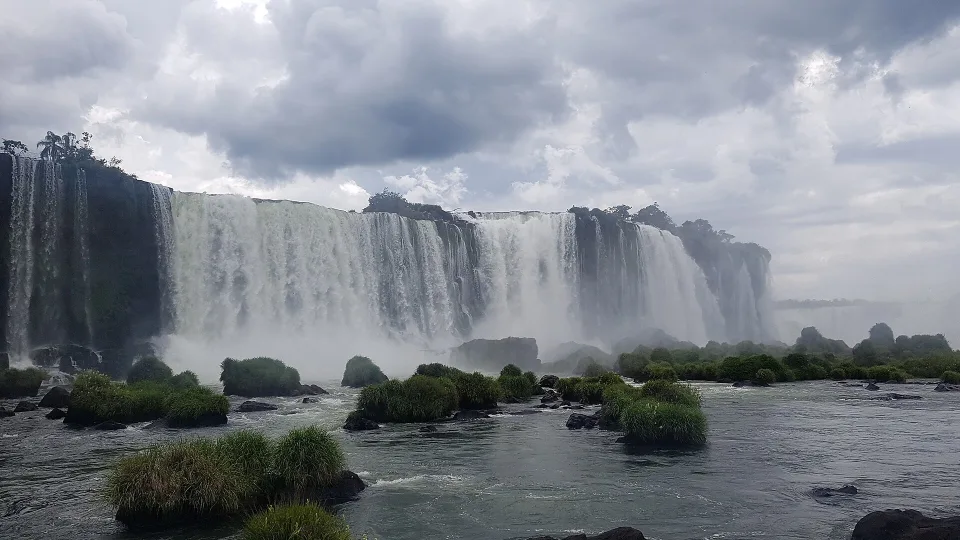
A place should not be reduced to one hero image. These views show different parts of the experience and landscape.
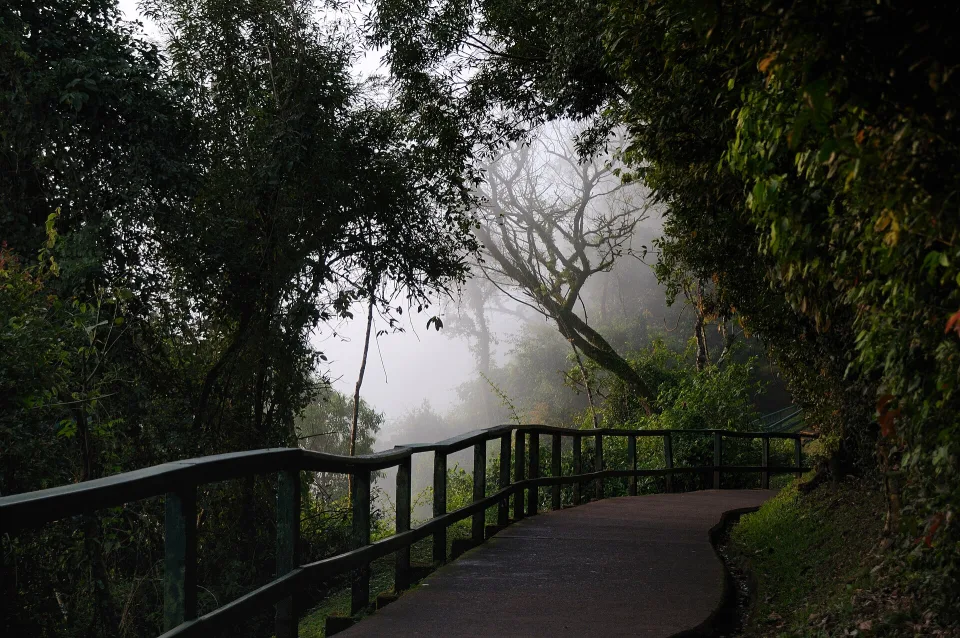
The Brazilian-side trail leads from wide viewpoints toward the water and spray.
Photo: Josep M. Gracia · CC BY-SA 4.0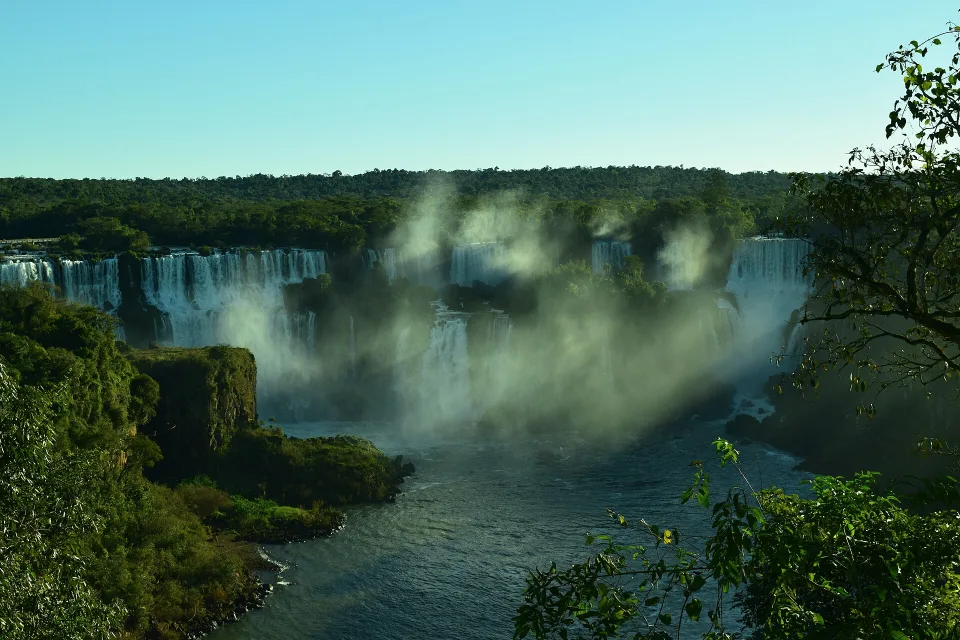
Close viewpoints reveal the force and scale of the Iguaçu waterfalls.
Photo: Sky shark 0 · CC BY-SA 4.0The Brasilll take
The Iguaçu Falls are the centre of the trip and they deserve that status. The Brazilian national park protects a vast Atlantic Forest landscape around a waterfall system almost three kilometres wide, while the neighbouring Argentine park reveals the same system from different angles. Foz works best when you give the falls enough time, accept that crossing the border can add logistics, and avoid filling the itinerary with secondary attractions just because they exist.
The Brazilian park gradually reveals the scale of the waterfalls across the river before bringing you close to the spray. It is a compact visit compared with the Argentine side, but visually it gives the clearest sense of the entire system.
The falls sit inside a major protected remnant of Atlantic Forest, not in an isolated scenic park. Slow down on the walkways, pay attention to birdlife and vegetation, and treat wildlife sightings as part of the same ecosystem rather than a bonus.
Argentina changes the waterfall perspective; Paraguay and the tri-border setting add another layer to the region. You do not need to visit all three countries, but understanding the geography makes Foz more interesting than a one-attraction stop.
The same 0–10 scale is used across the catalogue, so strengths and compromises stay comparable.
These are editorial fit ratings, not visitor-review averages or safety guarantees. A high score describes a strength for a particular kind of trip. How to read these scores →
The essential Brazilian-side experience: broad waterfall views, forest and the final approach toward the most powerful sections of the system.
Worth a full separate day if border formalities and your itinerary allow it. The trail network puts you above and closer to many individual cascades.
A different scale of water and engineering. Add it if large infrastructure, energy or the regional geography interest you; otherwise the falls should remain the priority.
Useful for restaurants, accommodation and understanding the Brazil-Argentina-Paraguay setting. The city itself is a base rather than the main travel reason.
Trying to combine Brazil and Argentina in one rushed day wastes the strongest part of the destination. If you want both sides, schedule one full day for each and treat border time as real travel time.
Spray can soak you even on a clear day, while exposed walkways can be hot. Quick-drying clothing, simple rain protection, sun protection and shoes with grip are more useful than dressing for a city tour.
Foz has high impact but limited depth compared with Rio or Salvador. Stay longer only when you deliberately want both national parks plus Itaipu, wildlife experiences or a slower border-region itinerary.
Season matters. These monthly scores combine our current baseline for climate, access and overall travel fit.
Monthly ratings are broad planning guidance, not a weather forecast or confirmation that every activity is operating.
Give the Brazilian national park the day. Do not squeeze another major attraction into the same morning or afternoon simply because the park route looks short on a map.
If border conditions suit you, dedicate the day to the Argentine park. Otherwise keep the trip in Brazil and add a nature-focused experience around the protected area.
Use Itaipu, the triple frontier, a bird-focused attraction or a slower city day depending on your interests before moving on.
Brasilll
Three nights is the sweet spot: one strong Brazilian falls day, one second major day and enough margin for arrival or weather. Two nights works if you only want the Brazilian park. Four makes sense if you want both countries plus Itaipu or another substantial activity.
Found an outdated price, route or detail? Send the page URL, the information that needs changing and a supporting source if available.
Report an error →Use Find Your Brasil to compare this destination with the rest of the country using your own priorities.
Plan Brazil
Use these rounded door-to-door estimates to judge the travel day. Confirm the actual service and departure time before booking.
Consider arriving directly here to avoid backtracking. Check the actual arrival airport or terminal and the onward journey to your accommodation.
These are selected options for your next stop. Confirm operating days, connections and total travel time for your dates.