4 nights · default stay

Brazil · History · Culture · Nature

Paraty

Paraty brings together three different Brazil experiences in a remarkably compact region: a walkable colonial town, sheltered island-studded bay and the Atlantic Forest rising immediately behind it. UNESCO recognises Paraty and Ilha Grande as a mixed cultural and natural World Heritage landscape. Choose a base near the historic centre for atmospheric evenings, then give the bay and Trindade their own days rather than trying to see every beach by boat.

Recommended stay3–4 nights
Ease of travel8/10
First Brazil trip9/10
Infrastructure7/10
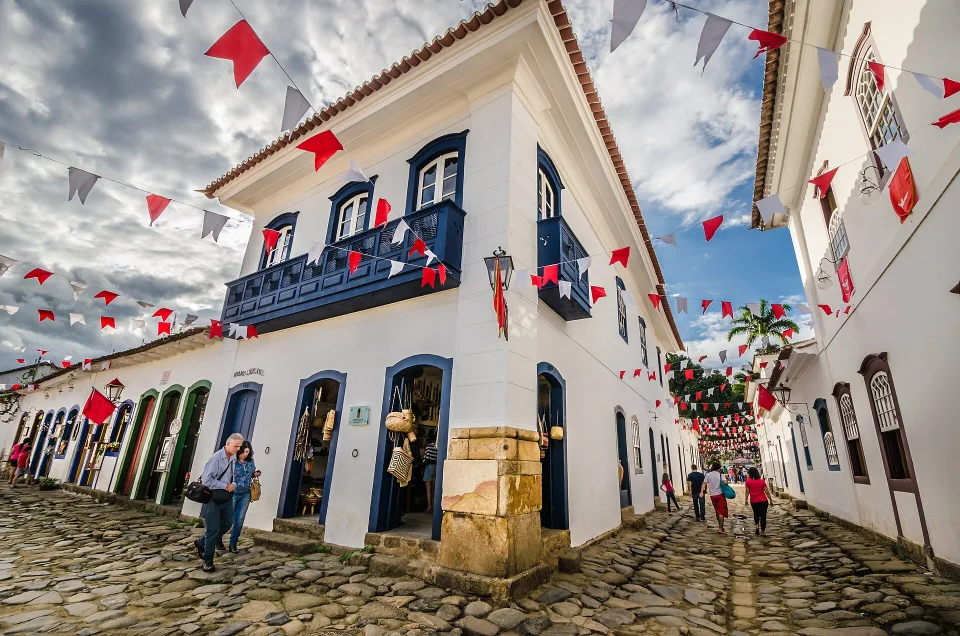
Historic colonial centre of Paraty, Rio de Janeiro state
23.22°S · 44.72°W History
Photo: Alfredo J G A Borba · CC BY-SA 4.0

Why this place

Paraty

Paraty works because history and nature are inseparable: a walkable colonial centre sits beside a bay of islands and Atlantic Forest, creating a destination that can combine culture, boat days, food and slower travel.

The historic centre is a destination in itself, not merely an embarkation point for a schooner. Its churches, façades and uneven stone streets are best enjoyed on foot, with time for cafés and small cultural stops. Water may reach some of the lowest streets around high tide; slippery surfaces and step-free access deserve attention, especially after rain.

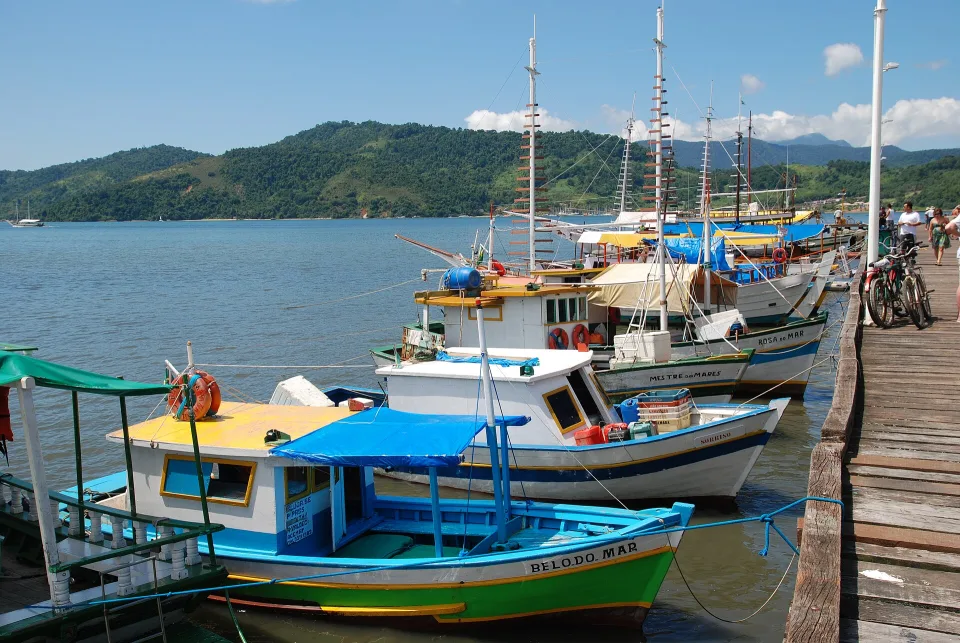
A standard Paraty Bay schooner day, a small-boat visit to Saco do Mamanguá via Paraty-Mirim and a beach day in Trindade are three different journeys. Ask operators for the actual departure point, route, swimming opportunities and return arrangements. ICMBio's protected Trindade beaches include walks that require their own time and weather judgment.
The Brasilll take

Paraty is strongest when history and nature share the same itinerary.

The preserved colonial centre is only half the reason to come. The bay, islands, Atlantic Forest and nearby coast make Paraty a rare place where a heritage town can also serve as a base for boat days, beaches and rainforest landscapes.

What makes Paraty different

01

The old town is genuinely atmospheric

Car-free colonial streets, churches and low façades make the historic centre easy to explore slowly. Water, tides and mountain weather are part of its character rather than just a backdrop.

02

The bay changes the rhythm

Boat trips turn a cultural town stay into a coastal journey. Islands and sheltered coves are close enough to make a full day on the water one of the most natural additions to a Paraty itinerary.

03

Atlantic Forest is not far away

Trindade, Serra da Bocaina and the wider protected landscape add beaches, waterfalls and dense forest. This is why Paraty works better as a small region than as a one-night historical stop.

Before you book

Paraty and Trindade: choose beach, trail and boat access carefully

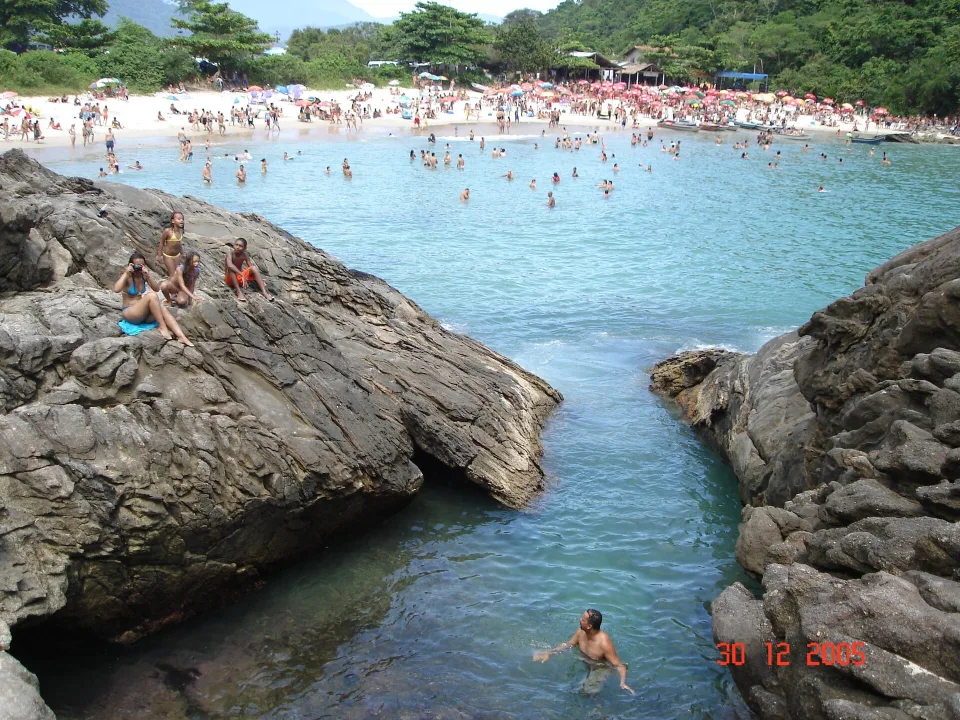
ICMBio distinguishes easy-access Praia do Meio, the trail beyond it to Praia do Caixa d'Aço and the fragile Piscina Natural. Do not assume that a central Paraty bay cruise includes this protected coast.

01

Praia do Meio is not the whole Trindade trail

According to ICMBio, Praia do Meio is the park's most straightforward beach to reach. Continuing to Caixa d'Aço requires a separate walking section; the smaller Piscina Natural is reached by further trail or appropriate boat. Check weather, trail conditions and mobility needs before attempting them all.

02

Treat Piscina Natural as protected habitat

Park rules restrict food, coolers and other items at the natural pool and prohibit feeding animals or taking natural material. Follow the current ICMBio guidance, avoid blocking the narrow pool and take litter back; its sensitivity makes it different from an unrestricted resort beach.

03

Book the actual route, not just any Paraty boat tour

A schooner looping around Paraty Bay is not automatically a transfer to Trindade's national-park beaches. Confirm the departure place and return, whether the craft can use the protected coastal approach and what the trip covers. ICMBio does not charge admission or require advance authorization for the public attractions of Trindade, but boats are a separate service.

At a glance

Brasilll scorecard

The same 0–10 scale is used across the catalogue, so strengths and compromises stay comparable.

These are editorial fit ratings, not visitor-review averages or safety guarantees. A high score describes a strength for a particular kind of trip. How to read these scores →

Culture9/10
Food8/10
History10/10
Nightlife6/10
Beach8/10
Nature9/10
Wildlife6/10
Adventure8/10
Local feel10/10
Photography10/10
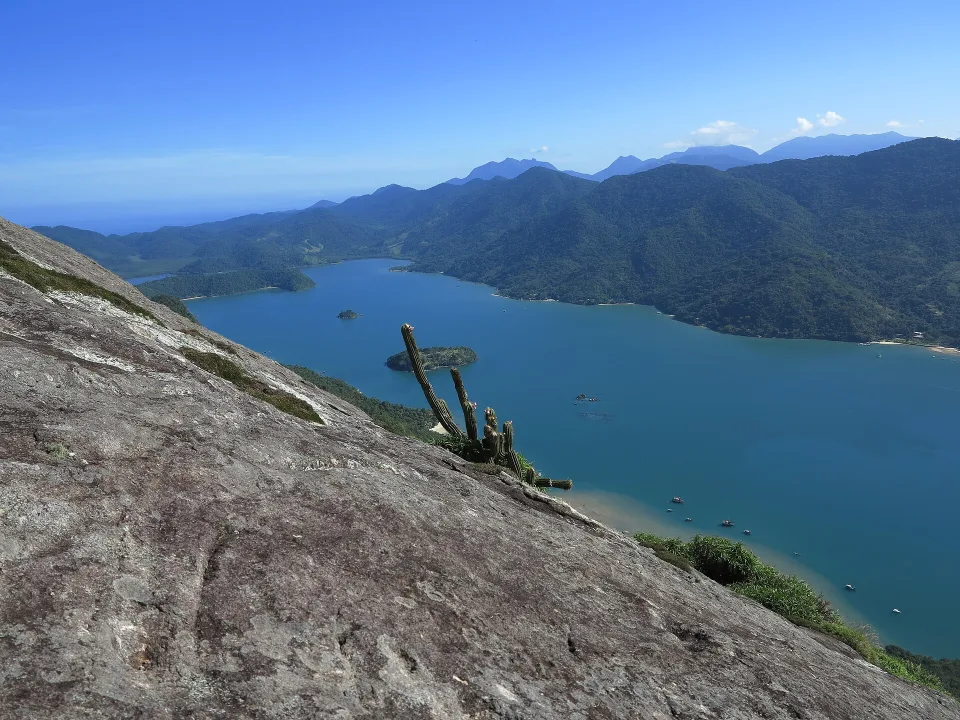
Real panoramic photograph from Pico do Mamanguá above the sheltered Atlantic Forest inlet near Paraty
Photo: Ygaray · CC BY-SA 3.0 · Cropped for layout

Forest meets the sea

Beyond the islands: the sheltered Saco do Mamanguá

This real view from the Pico do Mamanguá reveals a steep-sided Atlantic Forest inlet, not a beach reached on a routine town stroll. If you want to visit, compare small-boat departures and transfers from Paraty-Mirim with ordinary schooner circuits in Paraty Bay. A viewpoint hike is a separate, weather-dependent undertaking: allow time and arrange suitable local guidance.

Choose your Paraty base

Where to stay

Four ways to structure Paraty

Stay near the historic centre for dining and evenings; choose a bay boat departure for sheltered islands; treat Saco do Mamanguá as a specific boat-and-transfer plan; and allow a separate road journey to Trindade or the inland forest.

Historic Centre

Best for walking, architecture, restaurants and evenings; staying nearby keeps the town’s strongest atmosphere at your door.

Paraty Bay

Use one day for islands and coves by schooner or smaller boat; the quality of the day depends more on route and pace than on seeing every stop.

Trindade

A useful coastal contrast with forest-backed beaches and a more open Atlantic setting south of town.

Mountain & forest side

Waterfalls, cachaça traditions and the Serra da Bocaina landscape add a greener inland day when conditions suit.

Travel smarter

Small town, real planning details

A few practical decisions before departure can save time and make the experience easier on the ground.

01

Cobblestones are a real factor

The historic centre is beautiful but uneven. Comfortable footwear matters and limited mobility changes which streets and accommodation locations make sense.

02

Leave room for rain

Paraty is lush because it is wet. Avoid building a schedule where every good day depends on perfect boat weather.

03

Do not rush from Rio to sleep

Road travel can take longer than the map suggests. Three nights are much more rewarding than treating Paraty as a late-arrival, early-departure stop.

Weather & timing

When to go

Season matters. These monthly scores combine our current baseline for climate, access and overall travel fit.

Monthly ratings are broad planning guidance, not a weather forecast or confirmation that every activity is operating.

Jan7/10
Feb7/10
Mar8/10
Apr9/10
May10/10
Jun10/10
Jul9/10
Aug9/10
Sep8/10
Oct7/10
Nov6/10
Dec7/10

Build your route

A flexible first visit in four days

Four flexible days work better than a crowded checklist: heritage town, islands, Trindade or the forest, then an optional Saco do Mamanguá outing or weather buffer. Boats and trails should move with the forecast, not a rigid schedule.

Day 1

Historic Paraty

Walk the old centre slowly, visit key churches and museums that interest you, then stay for dinner when day visitors have left.

Day 2

Bay and islands

Spend the day on the water with a route that leaves time to swim rather than maximising the number of stops.

Day 3

Forest or Trindade

Choose waterfalls and inland landscape or head south to Trindade for a beach-and-forest day.

Day 4

Slow down if you can

An extra day lets weather decide whether you repeat the coast, add another trail or simply enjoy the town without an agenda.

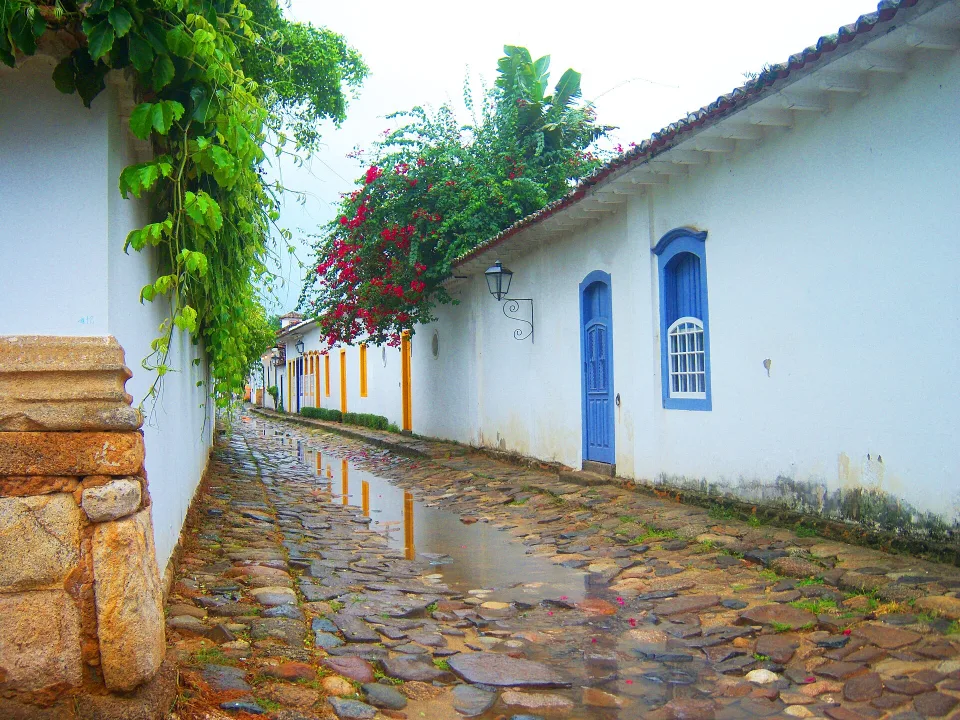
Real photograph of colourful colonial facades and uneven stone paving in Paraty historic centre
Photo: Daniel Pêssego · CC BY-SA 4.0 · Cropped for layout

A living historic centre

Paraty's stone streets belong to the tide, too

The photographed colonial street illustrates why Paraty is best explored without rushing between attractions. The UNESCO-listed centre preserves centuries-old street patterns, but its irregular stones become awkward when wet and some low streets flood around high tides. Wear secure shoes, plan a flexible route and choose accessible accommodation outside the most uneven sections if mobility matters.

Follow the four-day plan

Travel styles

Who does it suit?

These comparative scores show who is likely to enjoy this destination most—and where expectations may need adjusting.

Repeat Brazil travellers10/10
Couples10/10
Slow travel10/10
First time in Brazil9/10
Active travellers9/10
Backpackers9/10
Friends9/10
Solo9/10

Brasilll

How long should you stay?

Three to four nights is our first-visit sweet spot. Two nights are enough to see the historic centre but make a boat day or forest excursion feel like a sacrifice. Four nights allow history, coast and nature to coexist.

Three nights allow one historic-centre evening, one proper boat day and one choice between Trindade and inland waterfalls. Four nights make it realistic to add another coastal experience without making every morning a rushed departure.

When choosing accommodation, check the exact walking distance to the historic centre and the closest transport access. Many old-town streets have uneven stones; a room that looks central on a map may not be ideal for rolling bags, limited mobility or wet-weather arrival.

Found an outdated price, route or detail? Send the page URL, the information that needs changing and a supporting source if available.

Report an error →

Does this sound like your Brazil?

Use Find Your Brasil to compare this destination with the rest of the country using your own priorities.

Plan Brazil

Getting there & moving on

Use these rounded door-to-door estimates to judge the travel day. Confirm the actual service and departure time before booking.

Main planning gateway

Rio de Janeiro

Typical access Road · Boat / ferry
Gateway transfer Road transfer · ~4 h 40 min Flexible timing · Half-day transfer

Start by checking arrivals into Rio de Janeiro, then confirm the onward transfer to this destination. Treat the road time as a planning estimate and leave some buffer for traffic, stops and local pickup arrangements.

Good onward connections

These are selected options for your next stop. Confirm operating days, connections and total travel time for your dates.