4 nights · default stay

Brazil · Culture · Nature · Food

Cunha & Serra do Mar

Ceramic studios, lavender hills and Atlantic Forest reward a slower Cunha stay. Plan park walks separately and check the mountain road before Paraty.

Recommended stay3–4 nights
Ease of travel7/10
First Brazil trip8/10
Infrastructure7/10
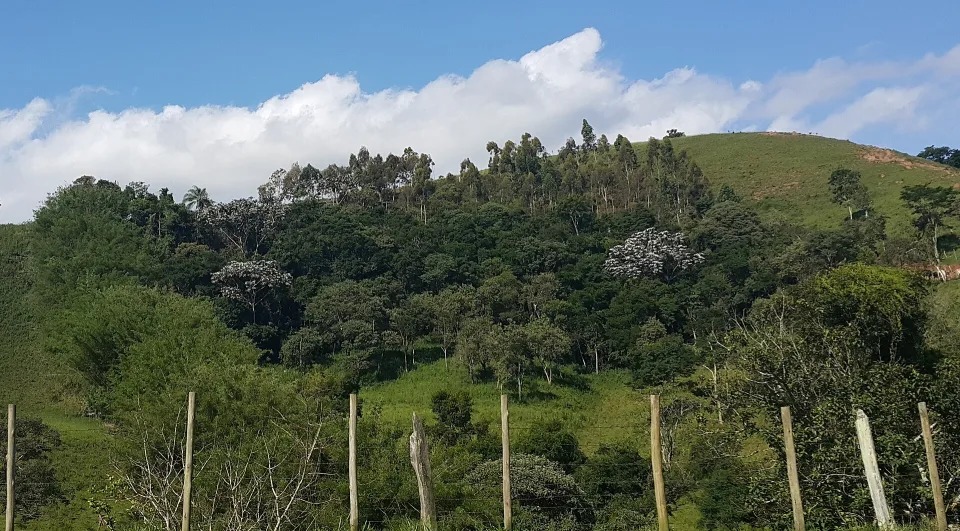
Mountain landscape around Cunha, São Paulo
23.07°S · 44.96°W Culture
Photo: Leonardolopesm · CC BY-SA 4.0

Why this place

Cunha & Serra do Mar

Cunha sits high in the Serra do Mar between the Paraíba Valley and the coast. Its identity mixes renowned ceramic studios, rural food, cool-climate landscapes, trails and a strong arts calendar. For Brasilll it is especially useful because it turns the São Paulo–Paraty journey into a route rather than a simple transfer and also links naturally toward Ubatuba.

Cunha is a highland pause worth making, not simply a shortcut between São Paulo and Paraty. Its working ceramic studios have their own opening times, while lavender-growing hills, rural kitchens and the Serra do Mar form quite different days out. Book an atelier you genuinely want to see rather than racing between social-media photo stops. The village, a lavender garden and Núcleo Cunha park entrance are not walkable parts of one attraction; choose your base with the driving distances in mind.

For Atlantic Forest, the state-run Núcleo Cunha is a separate trip via the rural Paraibuna road, roughly 25–30 km from town. São Paulo’s protected-area service currently calls for advance booking and lists Wednesday–Sunday visits, 08:00–17:00; check the actual day, tickets and available trails before travelling. Rio Paraibuna is a comparatively short self-guided option; longer Rio Bonito requires a guide. Do not assume that a pleasant-looking forest photo indicates easy access, step-free paths or permission to swim.
At a glance

Brasilll scorecard

The same 0–10 scale is used across the catalogue, so strengths and compromises stay comparable.

These are editorial fit ratings, not visitor-review averages or safety guarantees. A high score describes a strength for a particular kind of trip. How to read these scores →

Culture9/10
Food9/10
History7/10
Nightlife4/10
Beach2/10
Nature9/10
Wildlife7/10
Adventure7/10
Local feel9/10
Photography10/10
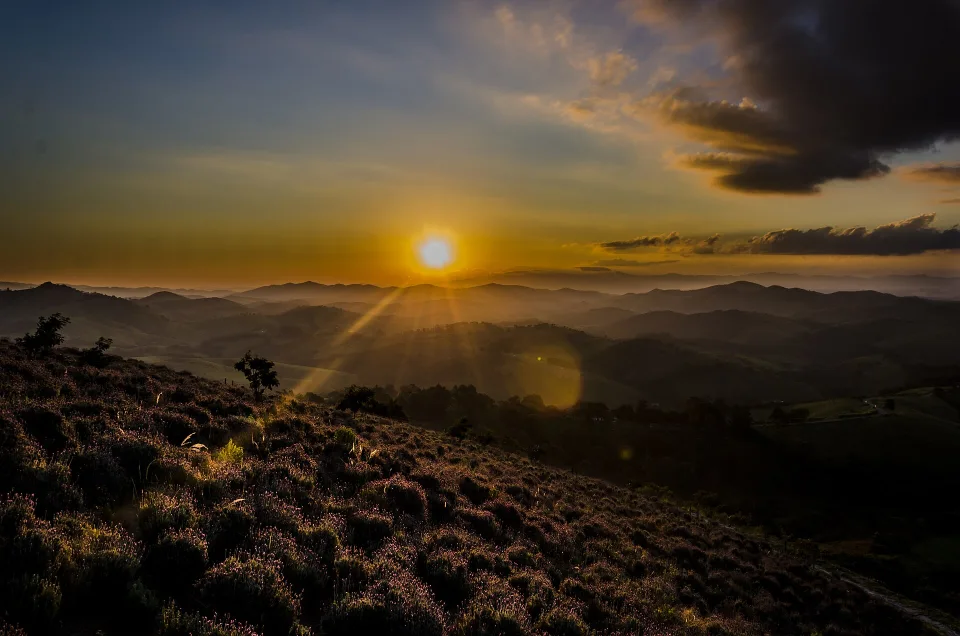
Original photograph from Pedra da Macela overlooking layered Serra da Bocaina mountains and the coast near Cunha, São Paulo
Photo: Giselle Camargo / Wikimedia Commons · CC BY-SA 4.0 · Cropped for layout

Above Cunha, a different national park

Pedra da Macela: the summit view is earned on foot

This original April 2017 photograph was taken from Pedra da Macela, inside the federal Serra da Bocaina National Park. It is not a viewpoint you simply drive to, nor part of the separate state-run Núcleo Cunha forest trails. The final approach is a steep paved uphill walk of more than two kilometres, and the coast is visible only in clear conditions. Follow ICMBio’s current access guidance, take water and suitable footwear, and keep enough daylight for the descent.

Compare the four different sides of Cunha

Where to stay

Cunha's ceramic studios, road viewpoints and Serra do Mar trails are different outings

Pick the experience first: pottery ateliers in and around Cunha, a booked visit to the distant Núcleo Cunha gate, the short Rio Paraibuna forest loop or a guided longer trail. Each has different opening, travel and effort requirements.

Cunha town and rural ceramic studios — book an actual studio visit

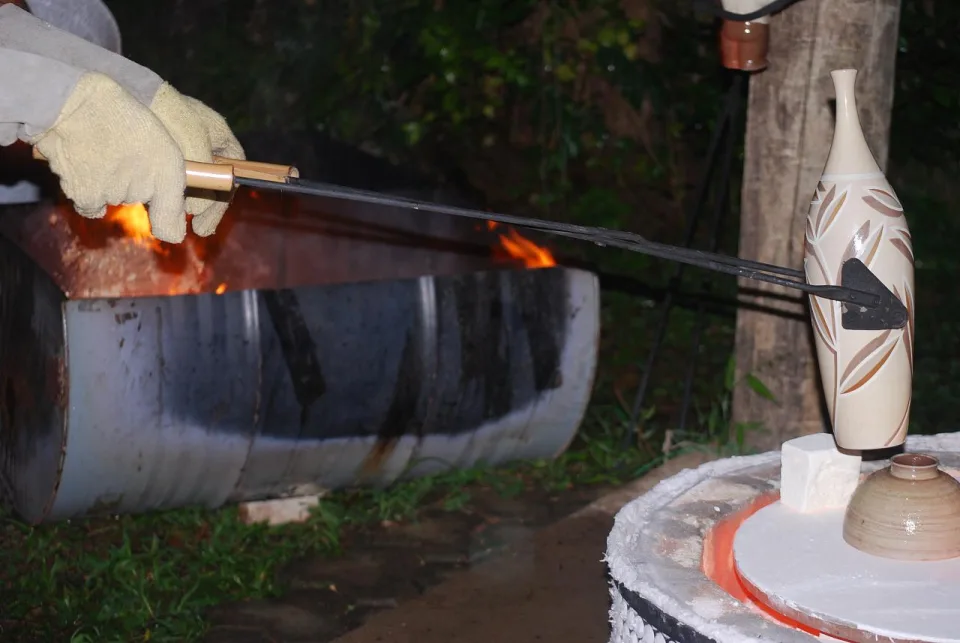
Cunha's ceramic tradition is spread across independent ateliers rather than concentrated in a single public museum. Choose studios that confirm showroom, firing demonstration or workshop access; a studio's social-media photo does not establish opening hours or that the artist can receive visitors.

Núcleo Cunha visitor centre — 25–30 km outside town

São Paulo's protected-area guide places the Serra do Mar State Park's Cunha visitor centre at the end of the rural Paraibuna approach, 25–30 km from Cunha town. It is not a short stroll from an atelier. Ask the park about weather, road conditions, entrance procedures and the return before leaving.

Trilha do Rio Paraibuna — shorter, self-guided forest option

The state's current guide describes this circular river-and-araucaria trail as 1–2 km, usually up to one hour and self-guided. It is a sensible option for visitors looking for Atlantic Forest and birdwatching without committing to a demanding full-day hike.

Rio Bonito or Cachoeiras — long routes with differing guide rules

The protected-area guide labels Rio Bonito difficult, 7–8 km and mandatory-guided, while Cachoeiras is 14–15 km and currently listed as moderate/self-guided. Some older municipal information differs on guiding for Cachoeiras; verify the park's active conditions and booking rather than extrapolating from one trail to the other.

Travel smarter

Three checks before mixing ceramics, Atlantic Forest and the coastal road

The park requires advance planning; not every trail has the same guide rule. The road to Paraty is scenic, but the federal park has documented 2026 narrow-lane restrictions.

01

Is the park just behind the town centre?

No. The official guide estimates 25–30 km from town to the Cunha visitor centre via a rural approach. Wet-weather road conditions and park closing time affect the day substantially.

02

Is guiding required on all park trails?

No blanket rule applies. Rio Paraibuna is listed as self-guided, and Rio Bonito as mandatory-guided. The current state page lists Cachoeiras as self-guided, despite older instructions elsewhere; confirm directly before setting off.

03

Does the road to Paraty replace a forest day?

A scenic mountain-road transfer is not the same as time inside Serra do Mar State Park. Separate the travel day, trail reservation and available daylight; check conditions after heavy rain.

Weather & timing

When to go

Season matters. These monthly scores combine our current baseline for climate, access and overall travel fit.

Monthly ratings are broad planning guidance, not a weather forecast or confirmation that every activity is operating.

Jan7/10
Feb7/10
Mar8/10
Apr9/10
May10/10
Jun10/10
Jul10/10
Aug10/10
Sep9/10
Oct8/10
Nov7/10
Dec7/10

Build your route

Three days for Cunha's ceramics and the actual park access roads

Use three days to keep artisan visits, the state-park outing and the Paraty mountain-road transfer distinct. If rain or booking rules make a trail unsuitable, switch to an open ceramic atelier or a low-effort viewpoint instead.

Day 1

Arrive in Cunha and choose independent ceramic workshops

Spend time in town, contact studios for visit availability and sample the rural food scene. Make a workable schedule around open ateliers instead of assuming all kilns and showrooms accept unannounced visitors.

Day 2

Choose a realistic Núcleo Cunha forest trail

Drive to the visitor centre with sufficient time for rural approach and closing rules. If you prefer an accessible shorter outing, choose the self-guided Rio Paraibuna circuit; book a different route only after verifying its guide and difficulty requirements.

Day 3

Take a viewpoint or longer confirmed hike, then continue to Paraty

For a challenging outdoor day, organise a Rio Bonito guide in advance. For a slow day, keep ceramics and highland scenery as the focus before the mountain-road transfer toward Paraty; never schedule a long waterfall hike immediately before a fixed coastal arrival.

Original wide photograph of an Atlantic Forest remnant beside Cunha town in São Paulo, Brazil
Photo: Themium / Wikimedia Commons · CC0 1.0 · Cropped for layout

Atlantic Forest without shortcuts

The forest starts nearby; the park trails do not

This original December 2018 photograph shows a patch of Atlantic Forest beside Cunha town, not a designated walking trail within Núcleo Cunha. To enter the state park, allow for the separate Paraibuna access road, advance booking and the actual trail rules. Rio Paraibuna is short and self-guided; Rio Bonito is longer and guided. Choose by your group’s fitness and the available daylight, and remember that continuing over the mountain road to Paraty is a separate travel decision.

Plan a realistic three-day visit

Travel styles

Who does it suit?

These comparative scores show who is likely to enjoy this destination most—and where expectations may need adjusting.

Repeat Brazil travellers10/10
Couples10/10
Slow travel10/10
Solo9/10
Families with teenagers8/10
Seniors8/10
Families with young children8/10
Luxury travellers8/10

Brasilll

How long should you stay?

We recommend 3–4 nights as a starting point. Include the arrival and departure journeys in your plan, then adjust the stay around the local outings you choose.

Three nights give you one relaxed day for ceramic workshops and mountain food, one properly planned park visit and a flexible half-day for viewpoints or a second atelier. A car helps enormously: the pottery studios and park gate are dispersed, and cloudy or wet highland weather can change which activities make sense. If travelling without one, confirm a driver or actual tour transfer before choosing remote accommodation.

If continuing to Paraty, keep the descent as a separate daylight drive, not the last hour after a hard hike. ICMBio’s August 2026 road guidance warns of single-lane stretches in the roughly 10 km section inside Serra da Bocaina National Park and says buses and trucks cannot use that road. Mountain rain can also affect traffic. Check current road notices and allow a coastal alternative rather than trusting a navigation app’s shortest route.

Found an outdated price, route or detail? Send the page URL, the information that needs changing and a supporting source if available.

Report an error →

Does this sound like your Brazil?

Use Find Your Brasil to compare this destination with the rest of the country using your own priorities.

Plan Brazil

Getting there & moving on

Use these rounded door-to-door estimates to judge the travel day. Confirm the actual service and departure time before booking.

Arrival base

Cunha

Typical access Road

Compare the actual rural address with Cunha town and your onward mountain road. Allow the road journey its own time instead of using a straight-line distance between coastal stops.

Good onward connections

These are selected options for your next stop. Confirm operating days, connections and total travel time for your dates.