5 nights · default stay

Brazil · Beach · Nature · Ecotourism

Ilhabela

Ilhabela is an island of two very different journeys. On the western shore, ferries, restaurants and easy-access beaches make a relaxed base; beyond the road, Atlantic Forest trails, waterfalls and remote Bonete or Castelhanos demand real planning. The views are extraordinary, but a ferry queue, a rain-affected 4×4 road or a long hike can shape the day more than the map suggests. Choose your base and excursions with those distances in mind.

Recommended stay4–6 nights
Ease of travel6/10
First Brazil trip8/10
Infrastructure7/10
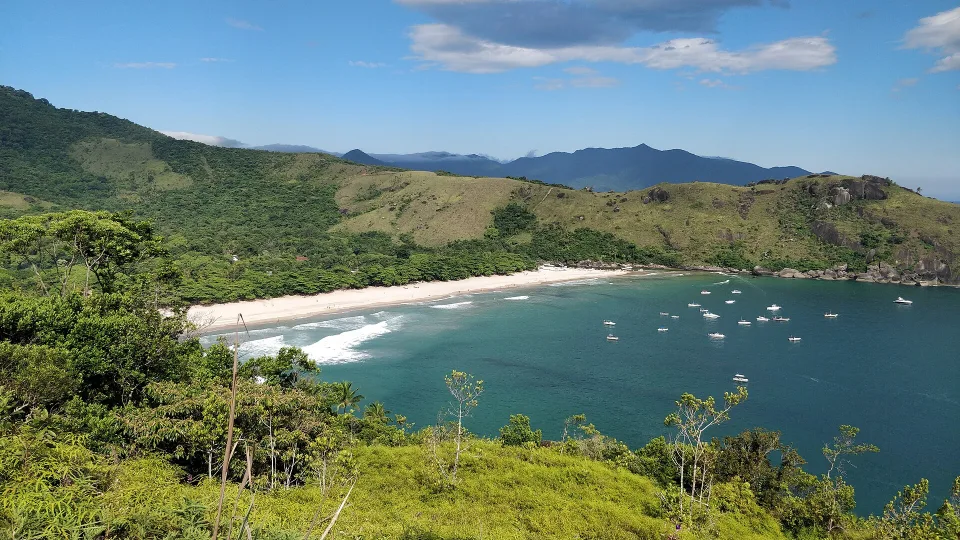
Praia de Castelhanos and Atlantic Forest mountains on Ilhabela, São Paulo
23.78°S · 45.36°W Beach
Photo: Fernando Chiavenato Junior · CC BY-SA 4.0

Why this place

Ilhabela

Ilhabela is not one continuous resort strip. The ferry-side west coast has the easiest services and beaches, while places such as Castelhanos and Bonete reveal the island’s rougher Atlantic Forest character through 4x4 roads, trails or boats. Waterfalls, sailing and caiçara communities make it a strong nature destination as well as a beach escape.

Start by deciding whether you want restaurants and the historic Vila within reach or a quieter south-coast beach stay. The island's west-coast road links its main services, but a hotel described simply as 'Ilhabela' may still be inconvenient without a car, driver or an agreed transfer. Compare the actual journey from the São Sebastião ferry terminal and where you will eat after dark.

Castelhanos and Bonete are not two ordinary beach stops you can squeeze into the same afternoon. Castelhanos has regulated 4×4 road access through protected forest; Bonete requires a serious, separately planned hike or a sea-dependent boat journey. Check park registrations, access windows, operator arrangements and a confirmed way back instead of trusting a generic island-tour description.
The Brasilll take

Ilhabela is an Atlantic Forest island first and a beach resort second.

The most rewarding version of Ilhabela mixes the easy west coast with places that take effort to reach. Castelhanos, Bonete, waterfalls and forest trails explain the island’s geography, while the ferry-side villages provide the restaurants and services that make a longer stay comfortable.

What makes this destination different

01

Remote beaches are supposed to require effort

Bonete and Castelhanos feel different precisely because access may involve boat, trail or rough road. Build the journey into the experience rather than treating it as wasted transfer time.

02

The Atlantic Forest is not background scenery

Waterfalls, steep green mountains and protected vegetation are central to the island. A trip that only drives between west-coast beaches misses much of what makes Ilhabela distinct.

03

Logistics reward flexibility

Ferry queues, weather and access conditions can affect plans. Avoid scheduling a tight onward connection immediately after leaving the island.

Before you book

Ilhabela: ferry, authorised forest access and the real cost of remote beaches

A vehicle reservation does not eliminate all ferry disruption. Castelhanos needs an appropriate 4×4 and Bonete's land route is a difficult trek, not a short beach stroll.

01

Check the ferry queue and whether Hora Marcada actually works

The São Paulo government's São Sebastião–Ilhabela ferry has a vehicle-reservation service named Hora Marcada. Its official booking portal displayed a maintenance notice when reviewed on 1 November 2026, so do not assume reservations can be made or guarantee a queue-free crossing. Confirm both directions, current fare/service and the time needed to collect your car. Leave extra room before flights and other nonrefundable onward connections.

02

Castelhanos is a regulated 4×4 road, not a regular rental-car drive

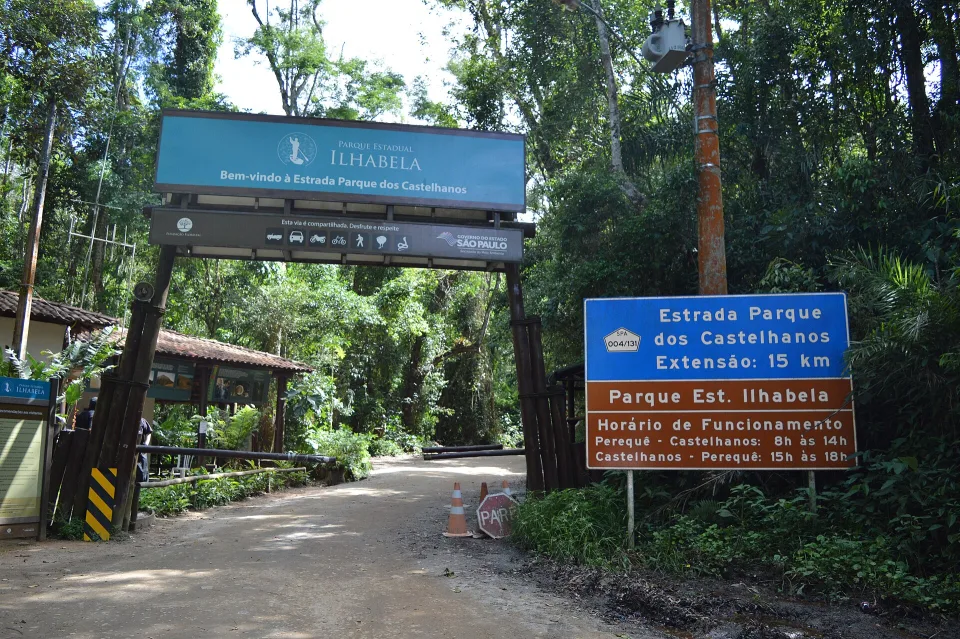
The São Paulo protected-area register states that the Estrada Parque Castelhanos requires a four-wheel-drive vehicle and gives normal access windows: inbound 07:00–14:00 and return 15:00–18:00. Park routes may require advance registration and weather can cause closure. Verify vehicle suitability, permit or guide booking, beach departure and safe return with the park or operator; a boat alternative is also sea-dependent.

03

Reserve the right trail — and do not improvise Bonete

The official Parque Estadual Ilhabela listing says advance trail booking is needed. Some waterfalls, including Veloso and Três Tombos, require a monitor; the separate Bonete route is classed difficult at around 23–24 km and 7½–8 hours. Choose a shorter monitored trail for a casual outing, or book a genuine Bonete hiking/boat plan and return. The municipality recommends effective repellent and covered clothing near streams and at dawn/dusk because of borrachudos.

At a glance

Brasilll scorecard

The same 0–10 scale is used across the catalogue, so strengths and compromises stay comparable.

These are editorial fit ratings, not visitor-review averages or safety guarantees. A high score describes a strength for a particular kind of trip. How to read these scores →

Culture7/10
Food8/10
History6/10
Nightlife6/10
Beach9/10
Nature10/10
Wildlife8/10
Adventure9/10
Local feel9/10
Photography10/10
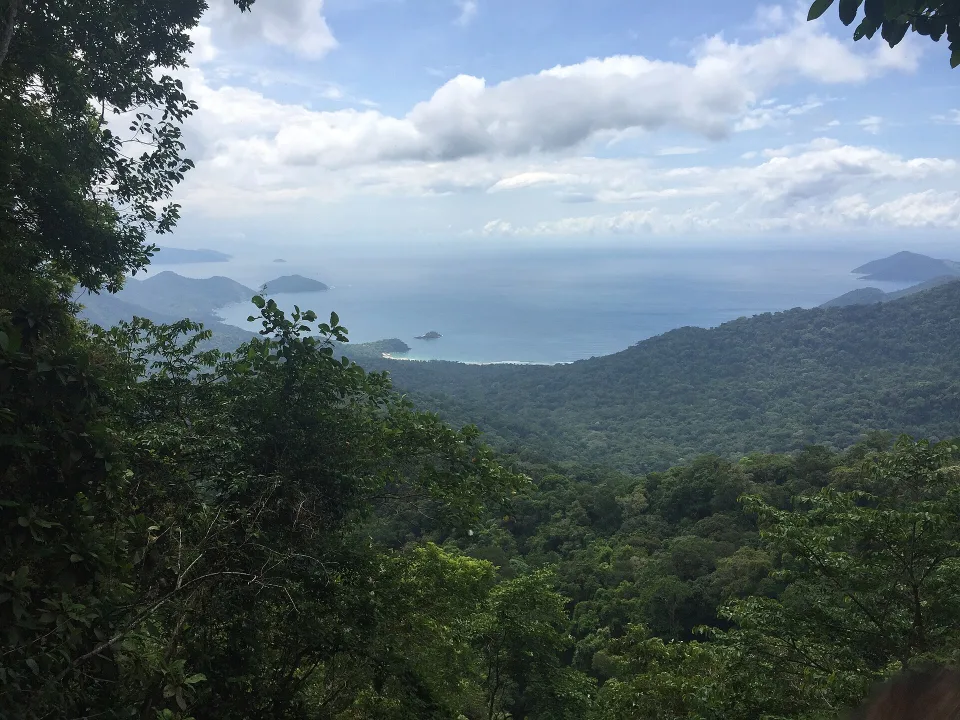
Green mountainous landscape in Parque Estadual de Ilhabela, São Paulo
Photo: Grupo IMS Ilhabela · CC BY-SA 4.0 · Cropped for layout

Forest is half the island

The protected forest decides how you reach Castelhanos

Ilhabela's mountainous Atlantic Forest is not just a backdrop to its beaches. The route towards Castelhanos passes through protected terrain where vehicle suitability, entry rules and weather matter. A normal rental car is not an alternative to an authorised 4×4 excursion. Check the park's latest registration and return window, and leave room for a forest walk that suits your fitness rather than promising every waterfall in one day.

Compare bases and remote access

Where to stay

How to divide your time

Vila works for restaurants and evening walks; the south-west coast suits accessible beach days; Castelhanos is an organised forest-road outing; Bonete is a remote journey of its own. A location pin alone does not show the effort involved.

Vila & north-west coast

Best for restaurants, historic-village atmosphere and a convenient first base.

South-west coast

Useful for accessible beaches and a quieter base while staying on the road-connected side.

Castelhanos

The signature remote-beach and forest excursion; access conditions should be checked locally.

Bonete

A destination within the destination, best for travellers willing to walk or arrive by boat and slow down.

Weather & timing

When to go

Season matters. These monthly scores combine our current baseline for climate, access and overall travel fit.

Monthly ratings are broad planning guidance, not a weather forecast or confirmation that every activity is operating.

Jan8/10
Feb8/10
Mar8/10
Apr9/10
May9/10
Jun9/10
Jul9/10
Aug9/10
Sep9/10
Oct8/10
Nov8/10
Dec8/10

Build your route

A strong first visit

Treat a first visit as four distinct experiences: ferry and west-coast base, a manageable protected-forest route, one full Castelhanos day and a flexible beach or trail alternative. Bonete needs separate planning rather than being a casual extra.

Day 1

São Sebastião ferry and the right west-coast base

Use the arrival day for the São Sebastião–Ilhabela ferry and your chosen west-coast base rather than squeezing in a remote-beach excursion. The state operator offers a 'Hora Marcada' vehicle reservation, but its official booking portal currently warns of maintenance and possible interruptions; verify actual availability and live queues before paying or promising a fast crossing. Compare Vila's evening restaurants with south-coast beach lodging, including how far you will drive after the ferry. Avoid a fixed onward connection immediately after your return crossing.

Day 2

One signed forest walk and nearby accessible beaches

Choose a manageable Atlantic Forest excursion on the west side and pair it with one or two nearby beaches rather than rushing north and south all day. The official state park guide requires advance trail booking, and some routes, including Cachoeira do Veloso and Três Tombos, require an authorised monitor even when the path looks short. Check the precise trail, time, guide requirement and weather in the protected-area register. The municipality also recommends repellent against borrachudo biting flies, particularly near running water, plus light long sleeves.

Day 3

Castelhanos with a genuine 4×4 and return plan

Reserve a full day for Castelhanos on Ilhabela's wilder eastern side. According to the São Paulo protected-area register, the Estrada Parque approach requires a 4×4 and normally controls entry between 07:00 and 14:00 and return traffic between 15:00 and 18:00. Confirm that your operator has an appropriate vehicle, current permit or booking where needed, realistic pickup and safe return, because rain may change road access. Do not assume a conventional rental car can cross the island or that a boat alternative runs in any sea state.

Day 4

Bonete only as a separately planned expedition

Keep this as a flexible beach, sailing or second waterfall day unless you deliberately plan Bonete. The state park guide categorises the land route to Bonete as difficult: approximately 23–24 km, seven and a half to eight hours, with rivers and waterfalls. It is not an easy last-morning stroll and should never be squeezed before a ferry crossing. If choosing a boat instead, check its operator, landing beach, sea conditions and a confirmed return, or consider staying overnight. Keep time for changing weather and the ferry queue.

Praia do Curral beach and forested slopes on the west coast of Ilhabela
Photo: Lucas Molina · CC BY-SA 4.0 · Cropped for layout

The accessible west coast matters too

Praia do Curral: an easier beach day between big excursions

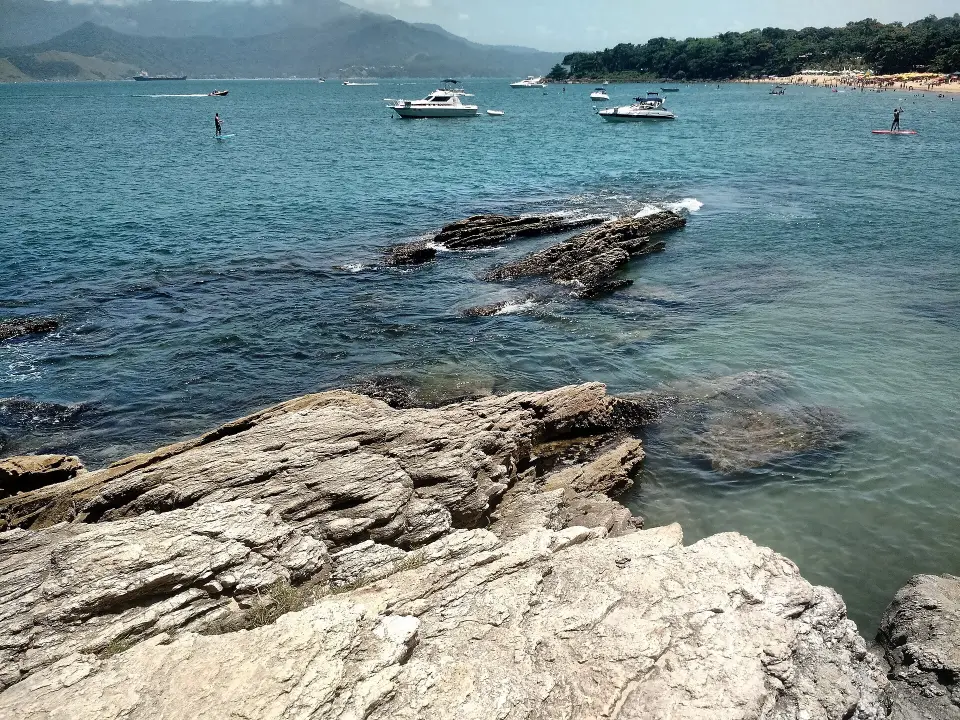
Ilhabela does not have to be an expedition every day. The road-connected western shoreline, including Praia do Curral, is a useful counterweight to remote Bonete or Castelhanos. Choose a beach appropriate to the weather and your group's comfort, compare parking and facilities, and keep a low-effort afternoon available after a longer forest excursion. The west-coast hotel you choose may shape every evening as much as the beach itself.

Build a balanced four-day itinerary

Travel styles

Who does it suit?

These comparative scores show who is likely to enjoy this destination most—and where expectations may need adjusting.

Repeat Brazil travellers10/10
Couples10/10
Active travellers10/10
Friends9/10
Families with teenagers9/10
Slow travel9/10
Luxury travellers9/10
First time in Brazil8/10

Brasilll

How long should you stay?

Four nights is the minimum we like for Ilhabela; five or six is better if Bonete, hiking or sailing matters. The extra time also protects the itinerary from ferry, rain or access changes.

Four nights can support a western-beach arrival, a forest or waterfall day, a carefully organised Castelhanos visit and one weather-flexible outing. Five or six nights work better for hikers, divers and travellers who want to consider Bonete, especially if a sea or road closure forces a change of plan.

Borrachudos—small biting flies—are a practical part of Ilhabela travel, especially near streams and in shaded areas. Follow the municipality's current advice, bring effective repellent and light covering clothes, and do not treat the forest like a paved seaside promenade. Leave a separate buffer for the ferry back to São Sebastião before a fixed connection.

Found an outdated price, route or detail? Send the page URL, the information that needs changing and a supporting source if available.

Report an error →

Does this sound like your Brazil?

Use Find Your Brasil to compare this destination with the rest of the country using your own priorities.

Plan Brazil

Getting there & moving on

Use these rounded door-to-door estimates to judge the travel day. Confirm the actual service and departure time before booking.

Main planning gateway

São Paulo

Typical access Road · Boat / ferry
Gateway transfer Road + ferry · ~4 h 30 min Regular connections · Half-day transfer

Start by checking arrivals into São Paulo, then confirm the onward transfer to this destination. Boat or ferry stages make timing more dependent on the connection sequence, so avoid planning a tight onward commitment.

Good onward connections

These are selected options for your next stop. Confirm operating days, connections and total travel time for your dates.