4 nights · default stay

Brazil · Ecotourism · Nature · Expedition

PETAR & Iporanga

Wild Atlantic Forest and spectacular caves. Choose a PETAR park sector before booking.

Recommended stay3–5 nights
Ease of travel5/10
First Brazil trip6/10
Infrastructure6/10
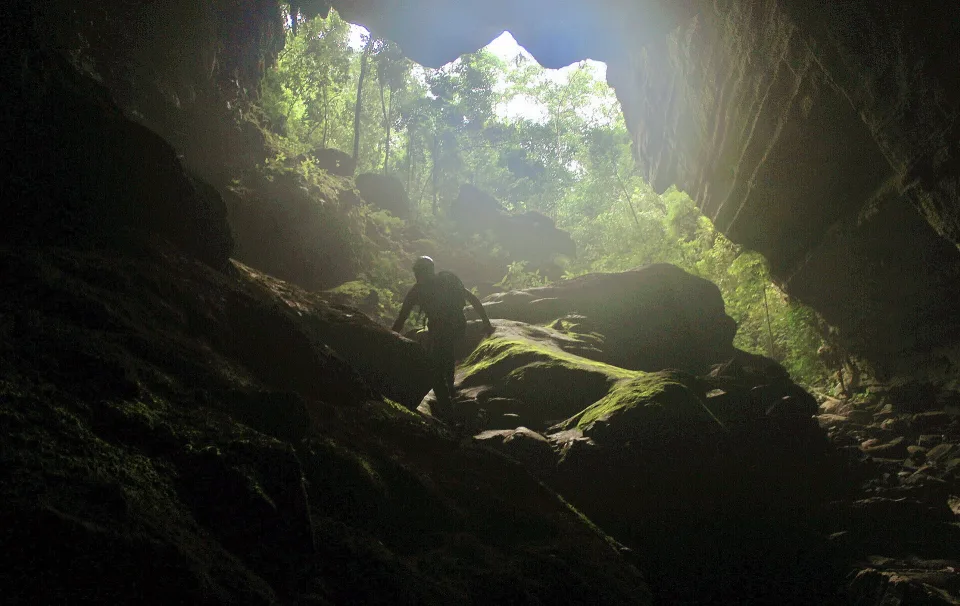
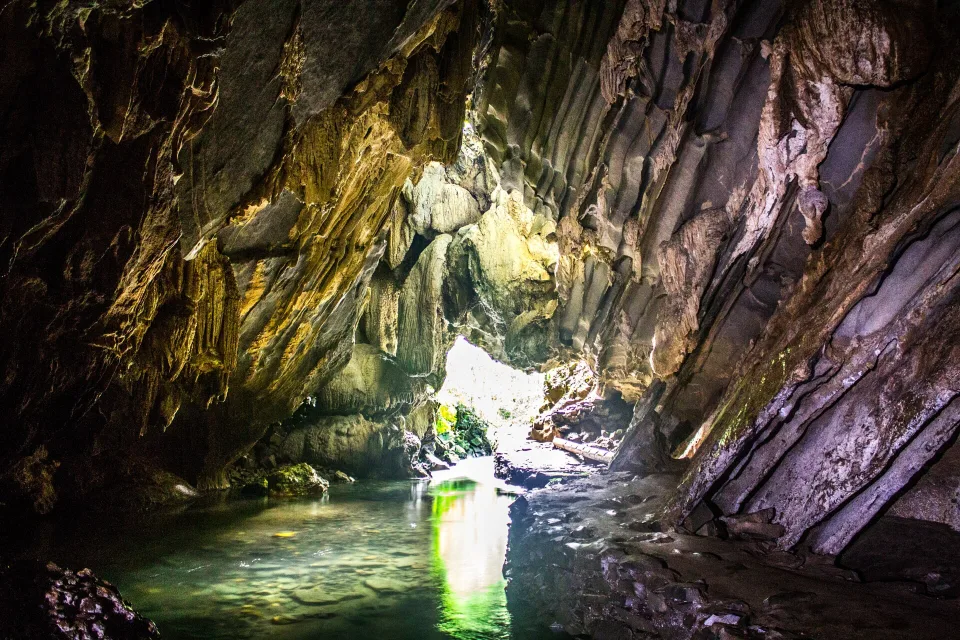
Temimina Cave in PETAR, São Paulo
24.55°S · 48.67°W Ecotourism
Photo: C. R. Malaquias · CC BY-SA 4.0

Why this place

PETAR & Iporanga

PETAR — the Alto Ribeira Tourist State Park — spreads across Iporanga and Apiaí in southern São Paulo state. Its limestone landscape contains caves, underground rivers, waterfalls and dense Atlantic Forest, with several nuclei giving access to very different routes. Iporanga is the most useful base for travellers who want multiple days of guided cave exploration and forest walks.

PETAR is not one cave with one ticket. Santana, Ouro Grosso and Caboclos have different approaches, trail lengths and visitor rules. Book an authorised local guide and check which cave circuits are open before deciding where to stay.
Before you book

PETAR caves: choose a nucleus, approved monitor and actual access slot

A cave name alone does not describe walking difficulty, underground restrictions, guide requirements or travel between park nuclei.

01

Santana and Ouro Grosso need different visits and monitors

The São Paulo state visitor guide lists Santana Cave at Núcleo Santana as a supervised route with steps and bridges, limited places and scheduled access. Ouro Grosso is in another nucleus and needs a monitor despite its short approach; its entrance is narrow and the interior has wet passages. Before paying, ask about the exact cave, park nucleus, current open day, visitor quota, authorised monitor, helmet and footwear, and how you reach the meeting point. Do not assume a generic PETAR admission lets you enter any cave at will.

02

Casa de Pedra is an exterior portal, not a cave-interior tour

The official Casa de Pedra trail page explicitly prohibits entering the cave for safety. The guided visit reaches its remarkable exterior portal instead, normally taking several hours. Temimina in Núcleo Caboclos is another, much more strenuous full-day forest-and-cave route requiring compulsory monitoring. These outings may start from different roads and visitor sectors. Agree route, early departure, walking effort and return transport before reserving any connecting bus.

03

Weather, water and mobility change which route is sensible

Caves may involve wet rock, low ceilings, river passages and uneven surfaces. Check rain, stream conditions and actual closures with the park and monitor; never enter a guided-only cave independently. The official state guide lists Cachoeira do Couto as a shorter self-guided option near Santana, subject to current weather and safety, for visitors who need a less confined day. Even an officially 'easy' trail can include steps and does not automatically meet wheelchair-access standards.

At a glance

Brasilll scorecard

The same 0–10 scale is used across the catalogue, so strengths and compromises stay comparable.

These are editorial fit ratings, not visitor-review averages or safety guarantees. A high score describes a strength for a particular kind of trip. How to read these scores →

Culture5/10
Food6/10
History6/10
Nightlife2/10
Beach1/10
Nature10/10
Wildlife8/10
Adventure10/10
Local feel9/10
Photography9/10
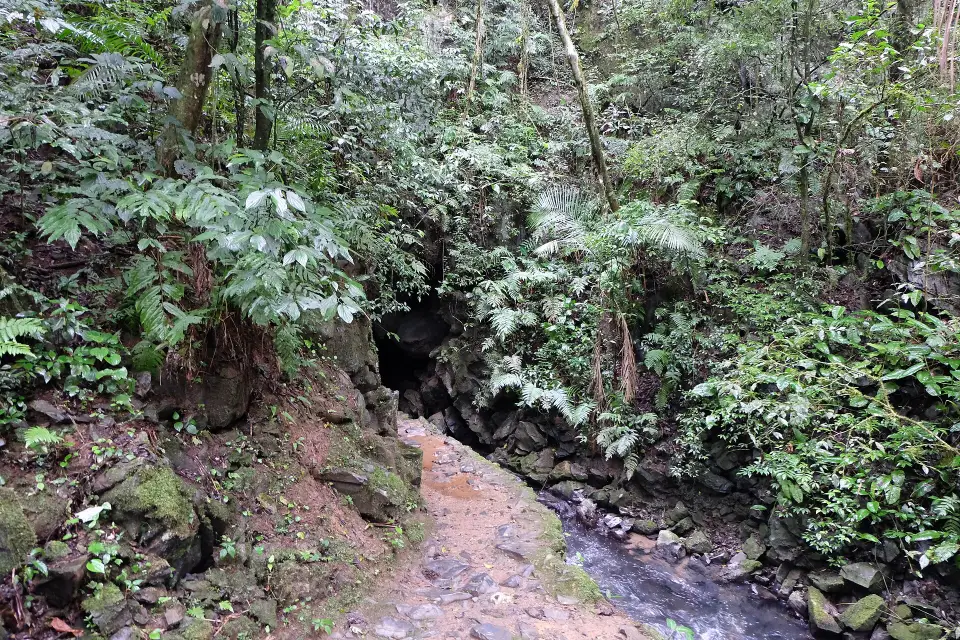
Forest trail toward PETAR's Santana sector in São Paulo
Photo: Andre Daffara / Wikimedia Commons · CC BY-SA 4.0 · Cropped for layout

The forest comes first

The trail is part of the cave experience

Andre Daffara's 2015 photograph shows a trail towards PETAR's Santana sector. The Atlantic Forest is not merely scenery between caves: humidity, muddy ground and guided walking determine how the visit feels. Ask about the exact route, fitness requirements and permitted entry time before leaving Iporanga.

View the relevant planning section

Where to stay

PETAR is several park sectors — choose the cave, then the base

The park sectors are separated by real travel time, not just by names on a map.

Núcleo Santana: accessible first cave day

The São Paulo protected-areas guide describes the Santana Cave visitor section as a guided route of roughly 1½–2 hours, with steps and built walkways. It is a good first comparison point, but confirm current opening, accessibility and guide availability: 'easy' on a park listing does not mean step-free.

Núcleo Ouro Grosso: a smaller, wetter cave experience

Ouro Grosso has a short approach but a narrow entrance and a river passage. It requires a monitor; ask about water conditions, helmets, footwear and how confined the entry feels before booking.

Núcleo Caboclos: a more demanding forest-and-cave day

Temimina Cave is listed as a difficult, roughly 7½–8-hour guided outing rather than a quick cave stop. Confirm the Caboclos road, early departure and your group's fitness. Do not add it casually after a morning in Santana.

Casa de Pedra: the famous portal, not an interior cave tour

The São Paulo visitor guide explicitly says entry into Casa de Pedra Cave is prohibited for safety. The advertised outing visits its remarkable exterior portal instead. Ask whether your route uses the Casa de Pedra or Caboclos approach, as the guides list distinct trails.

Travel smarter

Before paying for cave excursions

Verify cave permits, guide credentials, weather, footwear and restrictions on entering Casa de Pedra.

01

Ask for the exact nucleus and cave name

PETAR is not a single turnstile with every cave behind it. A booking should identify the park sector, meeting point, permitted visitor route and return transport.

02

Distinguish trail length from underground difficulty

Santana has constructed steps; Ouro Grosso includes tight passages; Temimina means hours of trail. Agree on mobility, claustrophobia and equipment needs with the monitor first.

03

Never assume current access from an old tour blog

The protected-areas listings show compulsory monitoring and individual schedules/caps. Conditions and authorisations can change: confirm the official trail status and guide arrangements shortly before departure.

Weather & timing

When to go

Season matters. These monthly scores combine our current baseline for climate, access and overall travel fit.

Monthly ratings are broad planning guidance, not a weather forecast or confirmation that every activity is operating.

Jan6/10
Feb6/10
Mar7/10
Apr8/10
May9/10
Jun10/10
Jul10/10
Aug10/10
Sep9/10
Oct8/10
Nov7/10
Dec6/10

Build your route

A three-day PETAR plan that respects cave logistics

Start with an accessible Santana-sector circuit, then plan a separate guided cave day if conditions allow.

Day 1

Arrive and choose a guided Santana circuit

Check in near the sector you booked, confirm the approved guide, equipment and exact cave slots, then visit a first cave in the Santana area. Avoid promising several underground routes on arrival day.

Day 2

Contrast Ouro Grosso with an easier forest stop

Use the day for a different cave experience if the operator confirms water and safety conditions. Select the exact route to suit your group; a short approach does not make a narrow wet cave comfortable for everyone.

Day 3

Choose a demanding Caboclos day OR Casa de Pedra

For active travellers, Temimina is a serious all-day guided option. Alternatively choose a prebooked visit to the Casa de Pedra exterior portal. Neither is a drop-in extra on the way to the bus station.

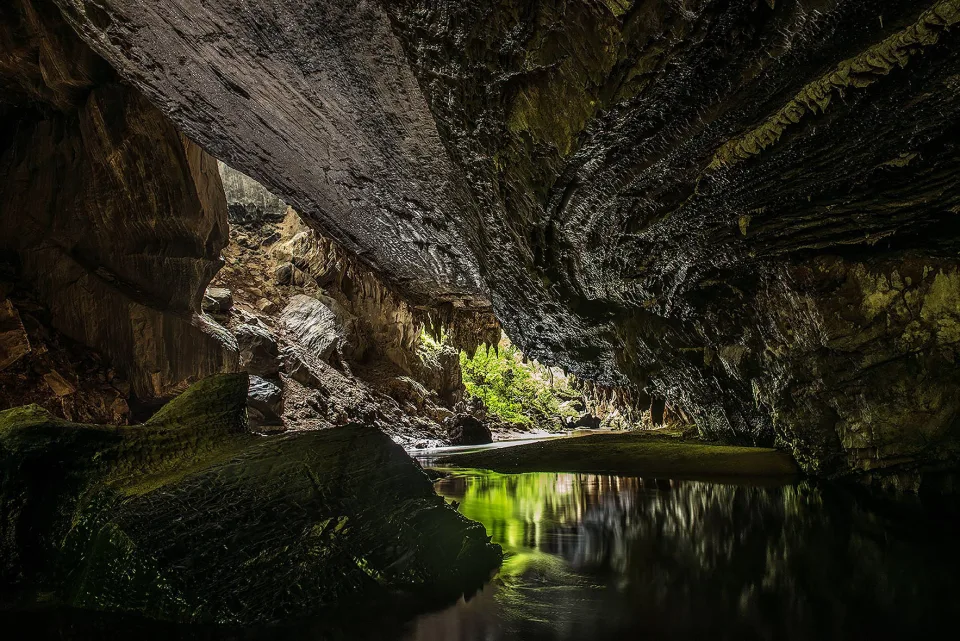
Cave passage in Caverna do Ouro Grosso, PETAR
Photo: Allan Kleber / Wikimedia Commons · CC BY-SA 4.0 · Cropped for layout

A different underground world

Ouro Grosso is not another view of Santana

Allan Kleber's 2015 photograph documents Caverna do Ouro Grosso. Its underground passage belongs to a distinct guided cave route, not the Santana circuit shown in many PETAR photos. Ask which sections visitors can currently enter and follow the guide's instructions; water and rainfall can change access.

View the relevant planning section

Travel styles

Who does it suit?

These comparative scores show who is likely to enjoy this destination most—and where expectations may need adjusting.

Repeat Brazil travellers10/10
Active travellers10/10
Backpackers10/10
Friends10/10
Families with teenagers9/10
Couples9/10
Slow travel8/10
Solo8/10

Brasilll

How long should you stay?

We recommend 3–5 nights as a starting point. Include the arrival and departure journeys in your plan, then adjust the stay around the local outings you choose.

Allow several days for different park sectors: road transfers, fixed cave-entry slots and weather can make two nearby attractions impractical on the same day.

Found an outdated price, route or detail? Send the page URL, the information that needs changing and a supporting source if available.

Report an error →

Does this sound like your Brazil?

Use Find Your Brasil to compare this destination with the rest of the country using your own priorities.

Plan Brazil

Getting there & moving on

Use these rounded door-to-door estimates to judge the travel day. Confirm the actual service and departure time before booking.

Arrival base

Iporanga

Typical access Road

Choose lodging and a meeting point for the PETAR sector you will visit. Confirm the local guide and cave itinerary rather than assuming every cave is accessible from one entrance.

Good onward connections

These are selected options for your next stop. Confirm operating days, connections and total travel time for your dates.