
Brazil · Nature · Ecotourism · Expedition

Lençóis Maranhenses

White dunes and seasonal freshwater lagoons in one of Brazil’s most otherworldly landscapes.

Recommended stay4–6 nights
Ease of travel5/10
First Brazil trip7/10
Infrastructure5/10
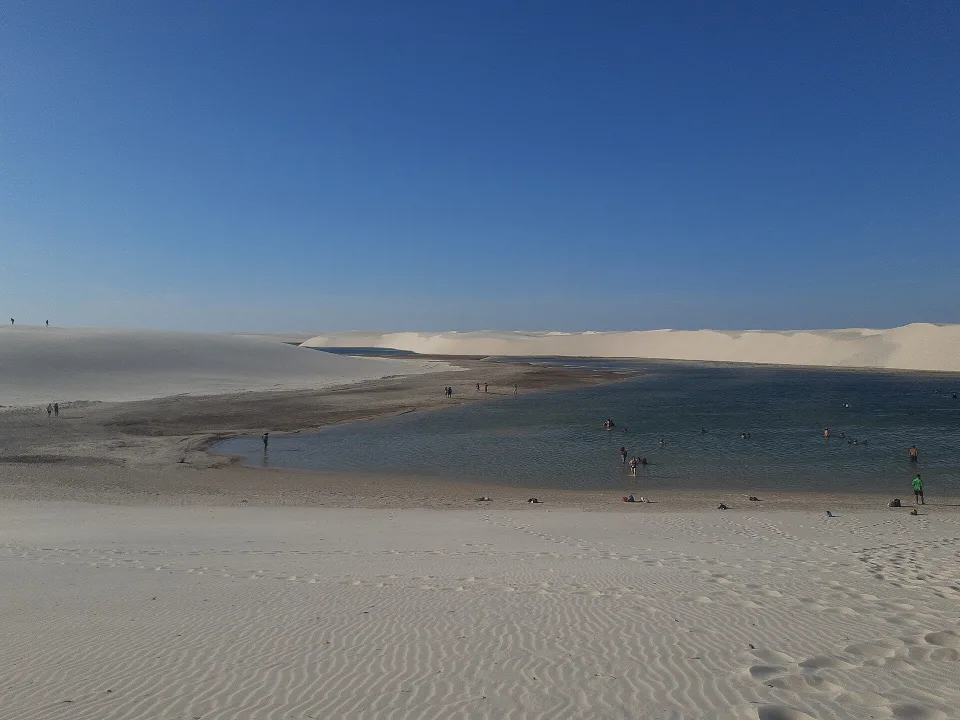
Freshwater lagoon among white dunes in Lençóis Maranhenses
2.53°S · 43.12°W Nature
Photo: Gerda Arendt · CC0 1.0

Why this place

Lençóis Maranhenses

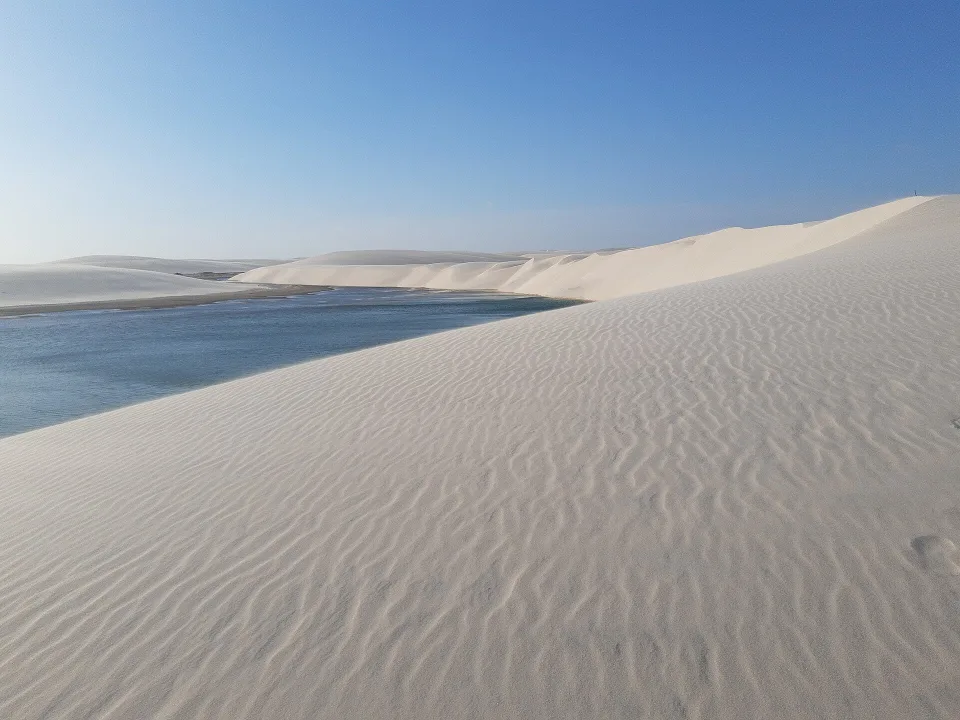
Lençóis Maranhenses is a vast protected dune field where seasonal rain fills thousands of freshwater lagoons between white sand ridges. Barreirinhas and Santo Amaro are the main gateways, while longer crossings reveal a much more remote side of the park.
The Brasilll take

Lençóis Maranhenses is one of the few destinations where choosing the wrong season can change the landscape you came to see.

The national park is a vast coastal dune field where seasonal rain creates thousands of inter-dune lagoons. UNESCO inscribed it on the World Heritage List in 2024, and its visual peak depends on lagoon levels rather than a simple “dry weather is best” rule.

Why Lençóis is unlike a normal beach or desert trip

01

The lagoons are seasonal

Rain fills depressions between the dunes and water levels usually become most impressive after the rainy period. Exact fullness varies by year, so current conditions matter.

02

There is no single entrance experience

Barreirinhas, Santo Amaro and Atins reveal different sides of the park. 4x4 transfers, boats and walking are part of how the landscape is accessed.

03

The scale rewards staying longer

A single half-day circuit produces spectacular images, but several days show sunrise, sunset, different lagoon systems, river landscapes and the transition to the Atlantic coast.

Brasilll scorecard

The same 0–10 scale is used across the catalogue, so strengths and compromises stay comparable.

Culture6/10
Food7/10
History4/10
Nightlife3/10
Beach7/10
Nature10/10
Wildlife7/10
Adventure10/10
Local feel10/10
Photography10/10

Three bases and one deeper journey

Barreirinhas

The easiest first base with the strongest transport and accommodation infrastructure plus access to standard lagoon circuits and the Preguiças River.

Santo Amaro

Closer to extensive dune-and-lagoon areas and excellent for travellers prioritising the park itself over restaurants and nightlife.

Atins

A smaller coastal base combining dunes, sea, kitesurfing and a slower village atmosphere on the park’s eastern edge.

Multi-day crossing

For strong walkers, guided crossings reveal the park at a different scale, with long dune days and remote communities.

Timing is the central planning decision

01

Aim for full lagoons, not just no rain

Roughly June to September is commonly the strongest lagoon window after the rains, but levels vary. Check current reports before fixing expectations.

02

Sun exposure is extreme

The white dunes reflect light and shade is limited. Water, sun protection and appropriate timing are essential even when the air does not feel exceptionally hot.

03

Choose bases before booking every tour

Repeated long transfers from one town can waste time. For four or more nights, splitting the stay can reveal more of the park.

When to go

Season matters. These monthly scores combine our current baseline for climate, access and overall travel fit.

Jan6/10
Feb6/10
Mar7/10
Apr7/10
May8/10
Jun10/10
Jul10/10
Aug10/10
Sep9/10
Oct7/10
Nov6/10
Dec6/10

A strong first visit in four to five days

Day 1

Barreirinhas and first lagoons

Arrive, take one well-timed dune circuit and use it to understand the scale rather than trying to cover the park immediately.

Day 2

Preguiças River or second circuit

Use the river journey for mangroves and coastal transition, or choose a contrasting lagoon area according to water conditions.

Day 3

Move to Atins or Santo Amaro

Change base so the second half of the trip reaches a different part of the dune field.

Day 4

Deep park day

Use sunrise, sunset or a longer walking/4x4 route to experience lagoons away from the fastest visitor circuits.

Day 5

Coast or final lagoons

Atins supports a coastal day; Santo Amaro supports more dune exploration. Choose based on the base and current water.

Who does it suit?

Repeat Brazil travellers10/10
Slow travel10/10
Active travellers10/10
Backpackers9/10
Friends9/10
Couples9/10
Families with teenagers8/10
Solo8/10

Brasilll

How long should you stay?

Four to five nights is our recommendation for a first trip. Two nights can deliver the famous view but not the scale. Five allow two bases, weather flexibility and a much stronger sense of why this is a World Heritage landscape.

Does this sound like your Brazil?

Use Find Your Brasil to compare this destination with the rest of the country using your own priorities.