5 nights · default stay

Brazil · Culture · History · Food

São Luís & Alcântara

Azulejo streets, Maranhão music and a tide-timed crossing: discover São Luís on foot, then spend a separate day in historic Alcântara.

Recommended stay4–5 nights
Ease of travel7/10
First Brazil trip8/10
Infrastructure7/10
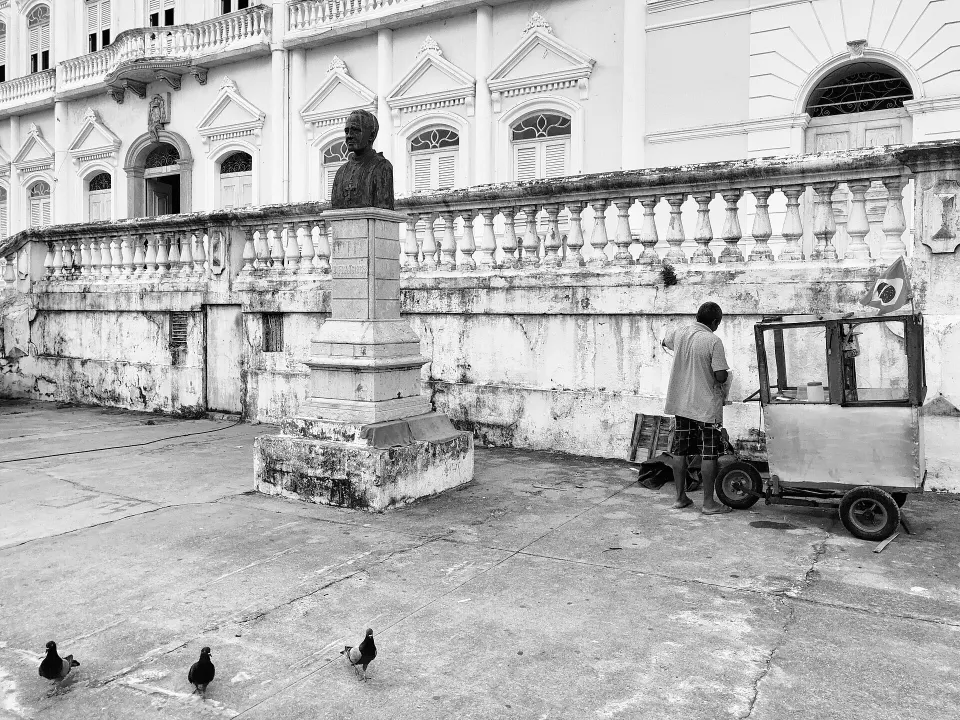
Historic centre of São Luís, Maranhão
2.49°S · 44.36°W Culture
Photo: Demetrio Jereissati · CC BY-SA 4.0

Why this place

São Luís & Alcântara

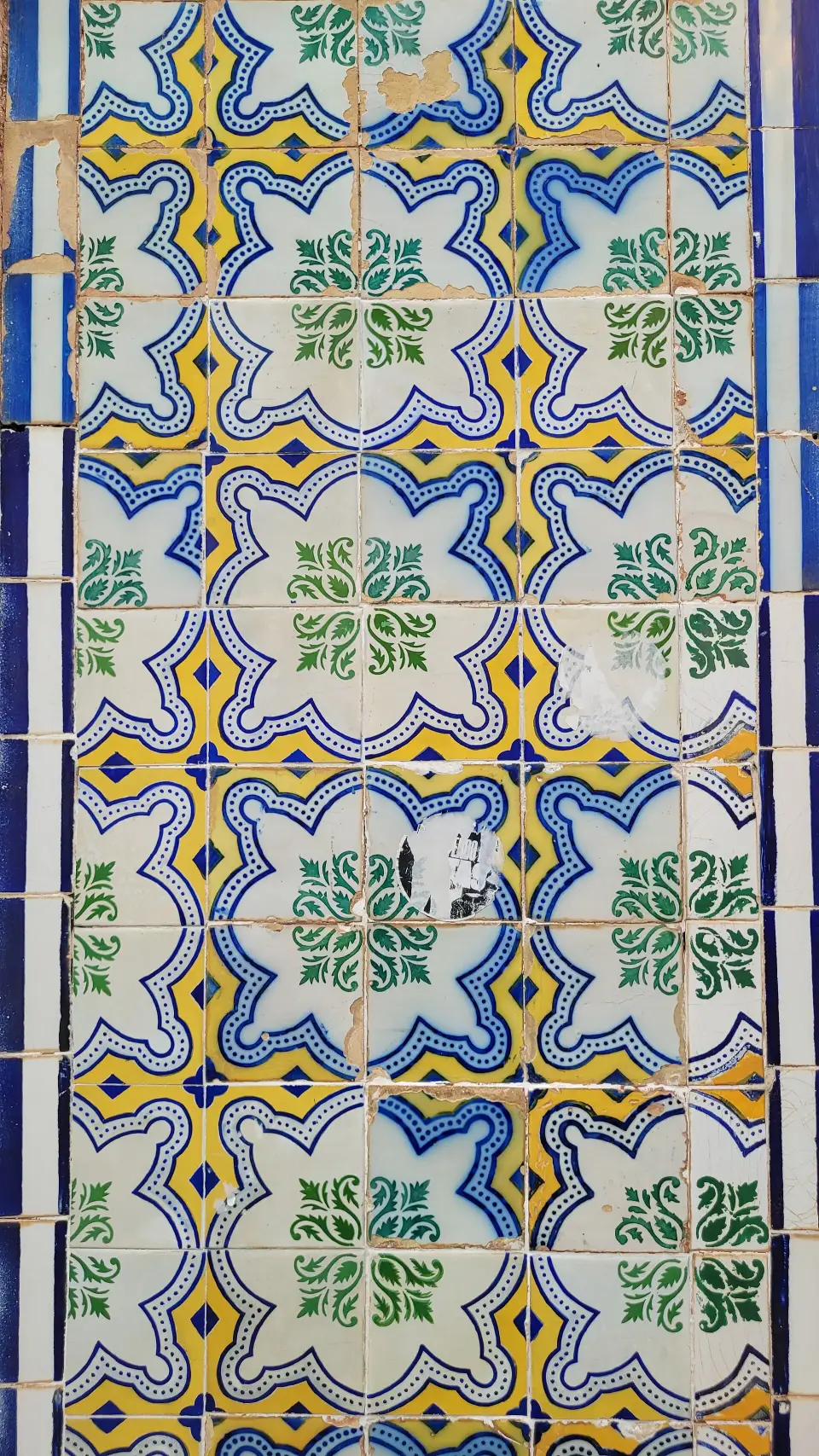
São Luís and Alcântara make a strong combined cultural stop. São Luís contributes a UNESCO-listed historic centre, tiled façades, Bumba Meu Boi, Tambor de Crioula and Maranhão food; Alcântara adds a quieter historic town of colonial buildings, ruins and museums reached across São Marcos Bay.

São Luís and Alcântara are a pair, not one compact old town. On the island capital, UNESCO’s recognition applies to the historic street plan and its remarkable tiled façades; the real pleasure comes from walking Rua Portugal, Praia Grande and Desterro slowly enough to notice courtyards, balconies, shops and people. Across São Marcos Bay, Alcântara has its own nationally protected historic centre, with the São Matias church ruins and a different rhythm. You need to allow a real travel day between the two, not just a quick sightseeing transfer.

The music is as important as the architecture. The Bumba-meu-boi tradition of Maranhão was inscribed by UNESCO as intangible heritage in 2019, while Tambor de Crioula is a distinct Afro-Brazilian form registered by Brazil’s heritage institute. Neither should be treated as a guaranteed nightly tourist performance. June and São João bring especially strong public programming, but museums, resident-led cultural visits and local food can give an excellent trip in other months too. Check who is actually performing and ask before photographing participants.
The Brasilll take

São Luís and Alcântara reward travellers who like cities where history is visible in the street fabric.

São Luís has one of Brazil’s most recognisable colonial ensembles, with azulejo-covered façades, steep lanes and a living Afro-Brazilian cultural identity. Alcântara adds a quieter counterpoint across São Marcos Bay, where ruins, churches and old houses turn the trip into more than a capital-city stay.

Why the pairing works

01

São Luís is architecture you walk through

The UNESCO-listed centre is not about one monument. Its value comes from whole streets, tiled façades, stairs, courtyards and the preserved urban grid.

02

Bumba Meu Boi changes the cultural scale

June brings one of Maranhão’s strongest cultural periods. Music, performance and community identity make this a very different trip from visiting the same streets in a quiet month.

03

Alcântara slows everything down

Crossing the bay replaces dense city life with stone streets, ruins, museums and a town small enough to understand on foot.

Before you book

São Luís and Alcântara: three decisions that change the trip

Direct passenger boats to Alcântara depend on tides, a vehicle ferry uses a different terminal, and São Luís cultural museums operate independently of June festival programmes.

01

Reserve the actual Alcântara passenger crossing

Maranhão's tourism department says the direct launch/catamaran departs from the Praia Grande hydrographic terminal on a tide-dependent schedule. Confirm sailing and return with the direct boat operator before planning Alcântara's ruins and museums. Keep a full day free and be prepared for maritime cancellations; the historic streets also have uneven surfaces.

02

Do not confuse the Cujupe ferry with a direct city-centre boat

The Ponta da Espera–Cujupe ferry carries passengers and vehicles to a mainland terminal in the municipality of Alcântara, not directly to the colonial town's historic centre. Arriving in Cujupe requires another arranged road transfer. Choose the route based on your destination, time available and luggage, not a generic search result for São Luís–Alcântara ferries.

03

Match living culture to a real calendar and local hosts

The municipal museum guide lists venues such as Museu do Reggae and Maranhão popular-culture collections, whose openings must be checked individually. The Quilombo Cultural route covers local community spaces beyond the UNESCO centre; arrange welcome or guiding with hosts. Bumba Meu Boi has strong São João programming, but not guaranteed daily performances year-round.

At a glance

Brasilll scorecard

The same 0–10 scale is used across the catalogue, so strengths and compromises stay comparable.

These are editorial fit ratings, not visitor-review averages or safety guarantees. A high score describes a strength for a particular kind of trip. How to read these scores →

Culture10/10
Food9/10
History10/10
Nightlife7/10
Beach7/10
Nature7/10
Wildlife6/10
Adventure6/10
Local feel10/10
Photography10/10
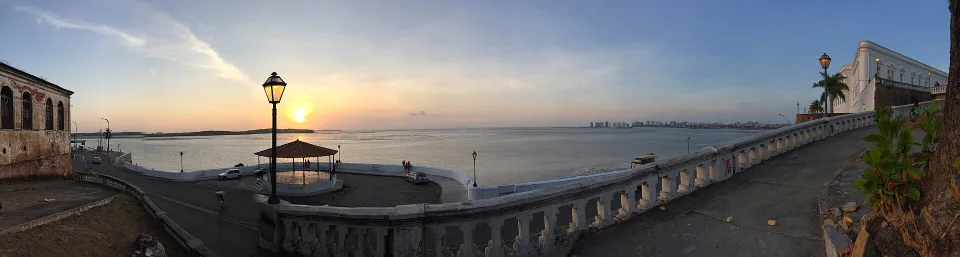
Original wide panoramic view of São Marcos Bay from São Luís, Maranhão, Brazil
Photo: Artur Oliveira Silva / Wikimedia Commons · CC BY-SA 4.0 · Cropped for layout

The water between two historic towns

São Marcos Bay: the timetable follows the tide

This original September 2016 wide panorama looks out over São Marcos Bay from São Luís. The broad stretch of water explains why Alcântara is not simply another neighbourhood. Direct passenger boats normally use the Praia Grande terminal, but tidal windows, weather and the operator’s arrangements determine their actual departure and return. The car ferry from Ponta da Espera goes to Cujupe, well away from Alcântara’s historic centre. Confirm the real terminal and last boat before planning the ruins.

Compare the bay crossing and the two historic centres

Where to stay

Four layers of the combined destination

Explore Praia Grande and Desterro on foot, use the restored central waterfront for a different pace, and treat Alcântara as a separate town reached by a tide-dependent boat. São Marcos Bay is part of the day’s travel decision, not a shortcut.

Praia Grande & Desterro

Core historic São Luís for azulejos, museums, cultural centres, restaurants and walking.

Reviver & central waterfront

Useful for connecting the historic centre with evening atmosphere and practical services.

Alcântara historic centre

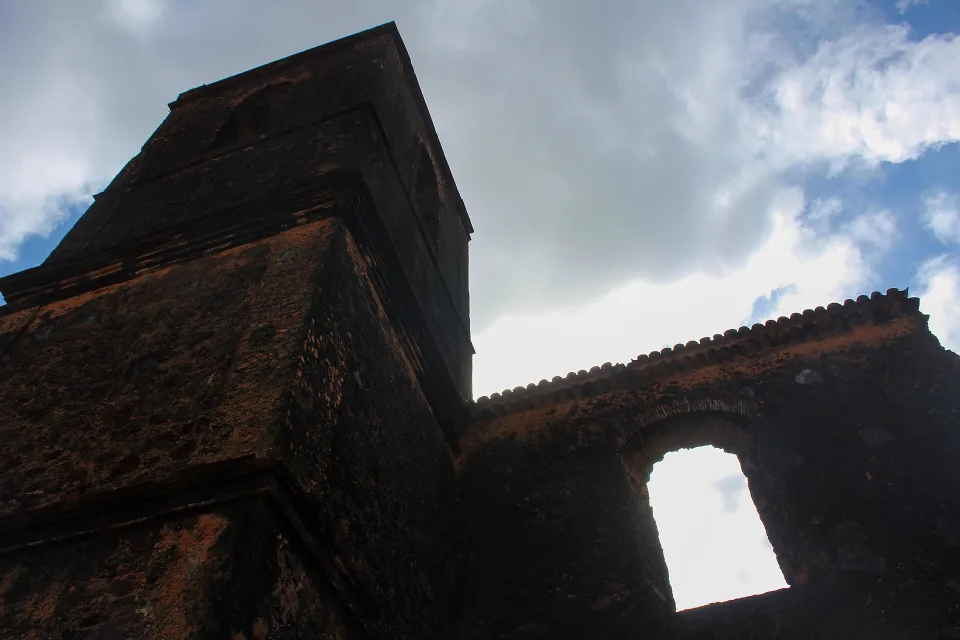
Praça da Matriz, São Matias ruins, museums, churches and a compact townscape reached by boat.

São Marcos Bay

Not just empty space between the cities: tides and the crossing are part of the geography and daily logistics.

Travel smarter

The crossing makes timing matter

The direct Alcântara passenger boat and the Cujupe vehicle ferry are different services. Verify the departure pier and return with your operator; choose performances and community visits from actual event programmes.

01

Check the boat schedule with the tide

Departures to Alcântara are influenced by tidal conditions. Treat the crossing as a planned day rather than an attraction you can add spontaneously at any hour.

02

Historic surfaces are uneven

Cobbles, stairs and slopes create atmosphere but reduce mobility accessibility. Choose footwear and daily distance accordingly.

03

June deserves separate planning

São João and Bumba Meu Boi are major reasons to travel, but they also mean stronger demand, more events and a much more intense city.

Weather & timing

When to go

Season matters. These monthly scores combine our current baseline for climate, access and overall travel fit.

Monthly ratings are broad planning guidance, not a weather forecast or confirmation that every activity is operating.

Jan6/10
Feb6/10
Mar5/10
Apr5/10
May7/10
Jun10/10
Jul10/10
Aug10/10
Sep9/10
Oct8/10
Nov8/10
Dec7/10

Build your route

A strong first visit in four to five days

The five-day plan leaves time for heritage, genuine Maranhão music and a properly scheduled crossing. If the tide or weather rules out Alcântara, swap the island day with a São Luís cultural visit rather than risk the final flight.

Day 1

Historic São Luís

Walk Praia Grande and Desterro in the UNESCO-listed historic centre, grouping Rua Portugal, Rua do Giz and the Largo do Comércio rather than rushing between faraway monuments. Look at the azulejo façades and public squares but choose one open cultural venue and listen to the stories of people who maintain the city today. Historic stairs and uneven paving favour comfortable shoes, daylight and a modest walking distance.

Day 2

Culture and food

Give Maranhão's living culture a full day: use the official São Luís museum guide to choose Museu do Reggae, the culture collections or a local food experience only when open on your date. The city's Quilombo Cultural route includes Liberdade and other community venues outside the compact UNESCO cluster; arrange community-led visits rather than arriving without permission. Bumba Meu Boi programming is concentrated around São João, not guaranteed year-round.

Day 3

Alcântara

Reserve Alcântara for a genuinely separate day and confirm the direct passenger launch or catamaran from Praia Grande's hydrographic terminal, where departures depend on the tidal timetable. On arrival focus on Praça da Matriz, the São Matias ruins and one open museum, then verify the last return before wandering. A ferry from São Luís's Ponta da Espera terminal to Cujupe carries vehicles to a different landing and is not a direct drop-off at Alcântara's historic centre.

Day 4

Choose your cultural focus

Choose a second cultural strand, such as music, photography or the city's afro-Brazilian heritage with a resident guide, then leave time for local dishes and quieter streets. If travelling during June festivities, check official event locations and whether community groups are receiving visitors; otherwise the Museu do Reggae and year-round heritage can stand on their own. Do not assume every barracão hosts a public performance on a fixed day.

Day 5

Slow the pace

Keep a fifth day for slow urban life or as a weather fallback for Alcântara's boat crossing. The fast-changing tide in the Baía de São Marcos and vessel safety decisions can move a departure, so never connect the island day to a tightly timed flight. If the crossing cannot operate, stay in São Luís with a museum and food itinerary and return to the coast on a different day.

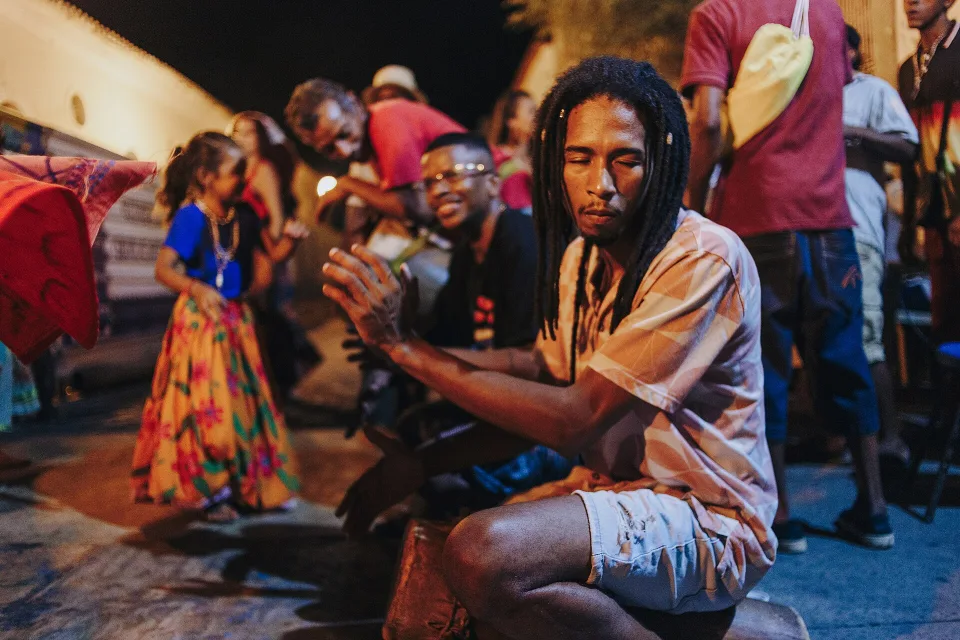
Original photograph of a percussionist in a Tambor de Crioula performance in the historic centre of São Luís, Maranhão
Photo: Heyalanzito / Wikimedia Commons · CC BY-SA 4.0 · Cropped for layout

A living city, not a museum set

Tambor de Crioula: hear the Maranhão beyond its tiles

In this original November 2024 photo, a percussionist performs in a Tambor da Lua circle in São Luís’s historic centre. Tambor de Crioula is an Afro-Brazilian tradition of drums, singing and dance, officially recognised by IPHAN. It is distinct from Bumba-meu-boi, which UNESCO inscribed in 2019. Look for a confirmed community-led cultural event or an open museum rather than expecting a performance on any particular evening. Ask permission before photographing participants and pay attention to the stories behind the music.

Plan a separate day for Maranhão culture

Travel styles

Who does it suit?

These comparative scores show who is likely to enjoy this destination most—and where expectations may need adjusting.

Repeat Brazil travellers10/10
Slow travel9/10
Backpackers9/10
Families with teenagers9/10
Friends9/10
Couples9/10
Solo9/10
Active travellers8/10

Brasilll

How long should you stay?

Four nights is a good minimum if Alcântara matters; five is better. Three nights makes the boat day consume too much of the total trip and leaves São Luís itself underexplored.

Plan four or five nights if Alcântara is important. Use one day for the UNESCO streets and markets, another for living culture, and a separate day for the bay crossing. A fifth day is useful insurance if weather or tides move the boats. The historic heart has uneven stone paving, stairs and slopes, so group nearby stops rather than aiming for a kilometre-heavy sightseeing checklist.

The Maranhão tourism authority says direct launches and catamarans normally depart the Praia Grande hydrographic terminal according to the tides; ask about the exact embarkation pier, licensed operator, life jackets and return before paying. There may be a change of boarding terminal, so confirm on the day. Do not confuse this boat with the vehicle ferry from Ponta da Espera to Cujupe: Cujupe requires onward road transport to Alcântara’s historic centre. Keep your return date flexible and never plan an onward flight immediately after a sea crossing.

Found an outdated price, route or detail? Send the page URL, the information that needs changing and a supporting source if available.

Report an error →

Does this sound like your Brazil?

Use Find Your Brasil to compare this destination with the rest of the country using your own priorities.

Plan Brazil

Getting there & moving on

Use these rounded door-to-door estimates to judge the travel day. Confirm the actual service and departure time before booking.

Main planning gateway

São Luís & Alcântara

Typical access Flight · Road

Consider arriving directly here to avoid backtracking. Check the actual arrival airport or terminal and the onward journey to your accommodation.

Good onward connections

These are selected options for your next stop. Confirm operating days, connections and total travel time for your dates.