5 nights · default stay

Brazil · Food · Culture · Nature gateway

Belém

Belém tastes of the Amazon: markets, river islands and bold Pará cuisine. Explore the historic centre, then plan a separate boat outing to Combu.

Recommended stay4–5 nights
Ease of travel8/10
First Brazil trip8/10
Infrastructure8/10
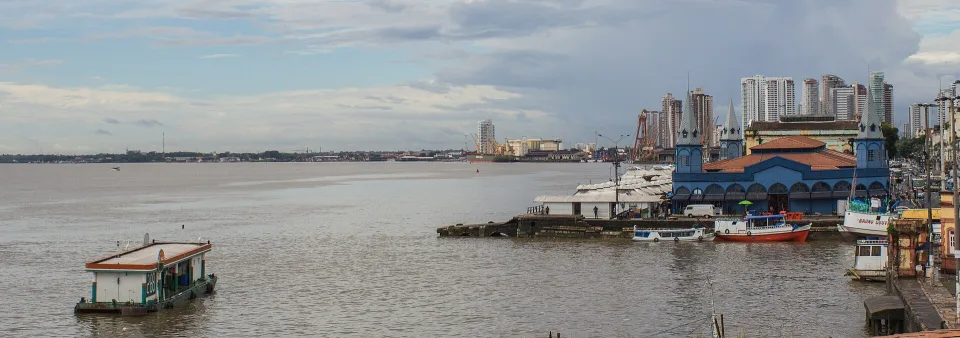
Ver-o-Peso market and waterfront in Belém, Pará
1.46°S · 48.49°W Food
Photo: Marcos Eduardo de Sousa · CC BY-SA 4.0

Why this place

Belém

Belém is the urban doorway into Pará and one of Brazil’s strongest food destinations. The Ver-o-Peso market, Estação das Docas, historic Cidade Velha and river experiences around Ilha do Combu give the city a combination of Amazonian ingredients, colonial history and everyday waterside life that feels very different from southern Brazil.

The best way to see Belém is to follow its ingredients. Start with the working Ver-o-Peso market in Campina, where fish, fruit and herbs make the Amazon's food traditions tangible. Around Cidade Velha, the cathedral and historic streets tell a different story about the port city. Later, Estação das Docas offers a calmer, restored waterfront with places to eat. These are connected experiences, but not interchangeable: the market is at its most interesting when traders are active, while the docks make an easier evening stop.

Combu changes the trip's pace again. The island is a protected, inhabited riverside landscape, not a theme-park rainforest. Its residents grow açaí and cacao and run independent food and visitor businesses. The protected-area authority says entry to the APA itself is free, but crossing and organised experiences are separate purchases. Go only with an agreed boat operator, destination and return plan; a boat to one riverside restaurant is not a tour of the entire island. Ask before photographing people's homes or working areas.
The Brasilll take

Belém is one of Brazil’s best cities for understanding the Amazon through food and everyday life.

The city works because the Amazon is not presented as a distant wilderness. It appears in markets, fruit, fish, boats, neighbourhoods and the river itself. Ver-o-Peso gives you the ingredients, Cidade Velha gives historical context and Ilha do Combu moves the experience onto the water without requiring a full rainforest expedition.

What makes Belém different

01

Food is the main attraction

Açaí, cupuaçu, bacuri, jambu, tucupi and Amazonian fish are part of normal local food culture. Treat Ver-o-Peso and meals around the city as core sightseeing rather than breaks between monuments.

02

The river belongs in the itinerary

Belém makes more sense once you leave the pavement. A short boat trip toward Ilha do Combu changes the scale of the city and shows how closely urban life is tied to water.

03

History and contemporary Amazon life overlap

Cidade Velha, Forte do Presépio, the cathedral and the market sit close enough to build a day around history without separating it from the working city around them.

Before you book

Belém: book the river, the museum and the festival dates carefully

A short boat ride, a working market and a museum park are three different Belém experiences. Use current institutional notices before fixing your itinerary.

01

Confirm the actual Ilha do Combu boat and return

The state recognised an official Combu tourism route in October 2026, but that is not a blanket boat ticket. Ask your operator for the exact pier, destination, departure and return, weather policy and life jackets; reserve cacao visits or riverside meals independently where required. Do not assume an island restaurant operates its own return transfer.

02

Check Museu Goeldi restoration and opening days

The Museu Goeldi reported active restoration works in its park during 2026, including fenced-off historic buildings and possible path changes, while the park continued welcoming visitors. Check the museum's current calendar and entry instructions, rather than relying on old hours or expecting every historic room and exhibition to be accessible.

03

Treat Círio de Nazaré and riverfront hours as special cases

Pará published exceptional opening hours for Estação das Docas, Mangal das Garças and Utinga during the 2026 Círio season. These are not standard year-round hours. During the October celebrations, verify current notices and street access before booking a timed restaurant, park or airport transfer; Ver-o-Peso and the restored docks are also different experiences.

At a glance

Brasilll scorecard

The same 0–10 scale is used across the catalogue, so strengths and compromises stay comparable.

These are editorial fit ratings, not visitor-review averages or safety guarantees. A high score describes a strength for a particular kind of trip. How to read these scores →

Culture10/10
Food10/10
History9/10
Nightlife7/10
Beach3/10
Nature8/10
Wildlife6/10
Adventure5/10
Local feel10/10
Photography9/10
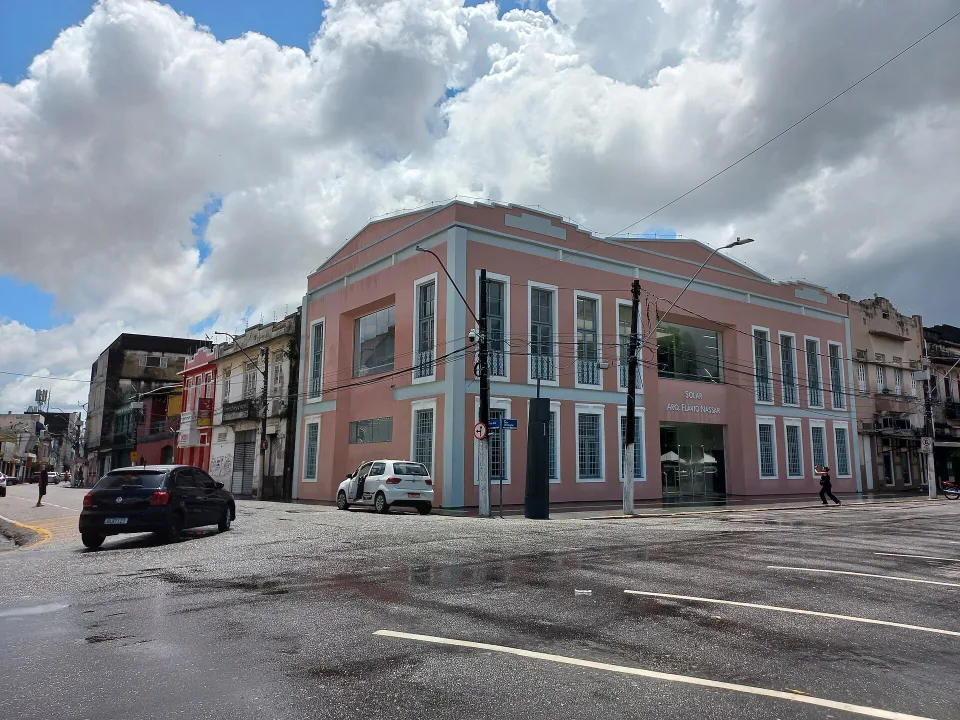
Original photograph of the protected historic neighbourhood of Cidade Velha and Campina in Belém, Pará
Photo: Sintegrity / Wikimedia Commons · CC BY-SA 4.0 · Cropped for layout

The historic city behind the food

Cidade Velha: give Belém’s old port city its own morning

This original January 2024 photograph documents the protected Cidade Velha and Campina historic area of Belém. The cathedral, old streets and nearby Forte do Presépio add context to the riverside market: Belém has been a port city for centuries, not just a departure point for Amazon excursions. Explore the landmarks during daylight, check whether churches and museums are open and leave time to step into the active market district. The modern Estação das Docas is a separate stop better enjoyed later.

Compare the market, historic centre, docks and Combu

Where to stay

Four useful parts of a Belém stay

Use Ver-o-Peso for early food discoveries, Cidade Velha for history, Estação das Docas for the riverfront evening and Ilha do Combu for a separate booked boat day. The market is not the same visit as the restored docks.

Ver-o-Peso & Campina

Best for markets, food, riverfront atmosphere and the most immediate introduction to the city.

Cidade Velha

Historic churches, colonial streets and a quieter architectural layer beside the central waterfront.

Estação das Docas

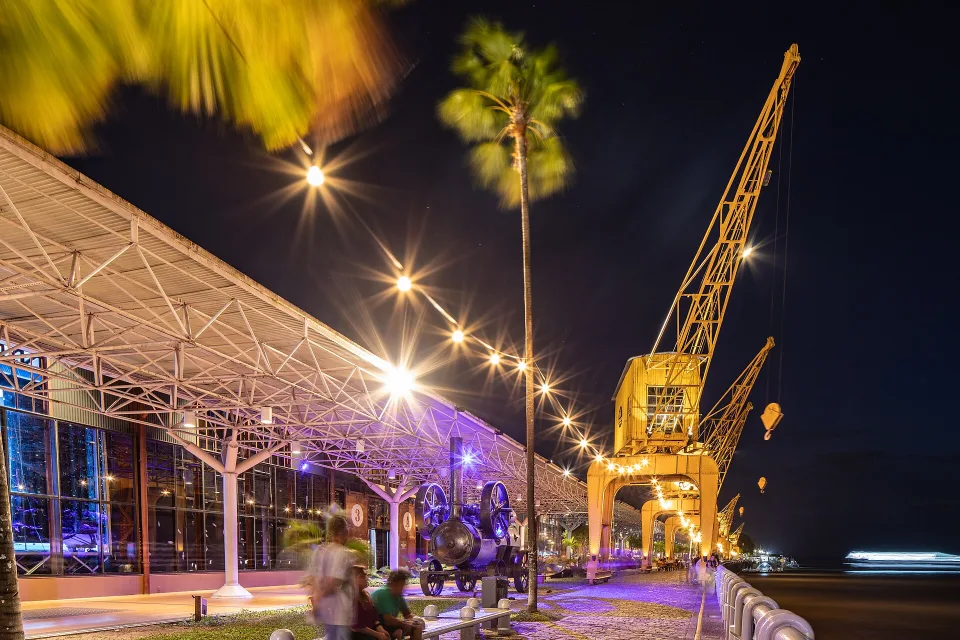
A polished riverfront contrast with restaurants, ice cream, views and an easy evening atmosphere.

Ilha do Combu

A short river escape for cacao, açaí, restaurants and a more intimate look at island life across the Guamá.

Travel smarter

Heat, rain and food shape the rhythm

Never assume island entry includes a boat ticket or that every vessel visits every landing. The protected-area visit is free, but crossing, meals and organised activities cost extra.

01

Start early and use shade strategically

Belém stays hot and humid throughout the year. Markets and historic streets are easier before the strongest afternoon heat.

02

Expect rain rather than planning against it

Rain is part of the climate, especially in the wetter first half of the year. Build flexible indoor stops around the daily rhythm instead of treating every shower as a ruined day.

03

October is exceptional, not normal

Círio de Nazaré transforms the city with huge religious and cultural intensity. It can be an extraordinary reason to travel, but accommodation and crowds require different planning.

Weather & timing

When to go

Season matters. These monthly scores combine our current baseline for climate, access and overall travel fit.

Monthly ratings are broad planning guidance, not a weather forecast or confirmation that every activity is operating.

Jan6/10
Feb6/10
Mar6/10
Apr6/10
May7/10
Jun8/10
Jul9/10
Aug10/10
Sep10/10
Oct10/10
Nov9/10
Dec7/10

Build your route

A strong first visit in four days

These four days deliberately separate the working market, city museums, island river journey and quieter urban parks. Leave room for rain and check museum notices and Círio-related changes.

Day 1

Ver-o-Peso and Cidade Velha

Go to Ver-o-Peso in the morning while the fish, produce and local food stalls are in full working rhythm. Then walk the nearby Cidade Velha route towards Forte do Presépio and the cathedral, checking opening hours before entering any museum or church. Keep your food tasting here, but do not try to fit the whole island waterfront into the same day; the heat and rain make a slower historical circuit more rewarding.

Day 2

Museu Goeldi and Estação das Docas

Reserve a separate morning for the Museu Paraense Emílio Goeldi zoo-botanical park in São Braz. Its July 2026 visitor notice confirms restoration works and occasional changes to paths or access: check the museum's latest communication before you set out, especially on a Monday or Tuesday. Return to the central waterfront for Estação das Docas later, and treat the river view and a Pará-focused meal as an evening experience, not a substitute for visiting the working market.

Day 3

A properly booked Ilha do Combu day

Make Ilha do Combu a planned river outing rather than an improvised restaurant transfer. Pará officially recognised a Combu tourism route in October 2026, covering riverside communities, cacao, food and local activities; that does not guarantee that any boat serves every venue. Confirm a licensed or reputable boat operator, life jackets, the departure point, an agreed return time and the opening of your chosen riverside stop. Give the afternoon weather a say in your schedule.

Day 4

Mangal das Garças or another Amazon city layer

Choose either the landscaped Mangal das Garças complex or another city museum, market or food trail, depending on the latest openings and the weather. It is a separate urban outing, not the same as a day in primary rainforest. Around the October Círio de Nazaré, road access, crowds and special opening programmes can alter an otherwise easy schedule; check official park and city updates rather than copying standard weekday timings.

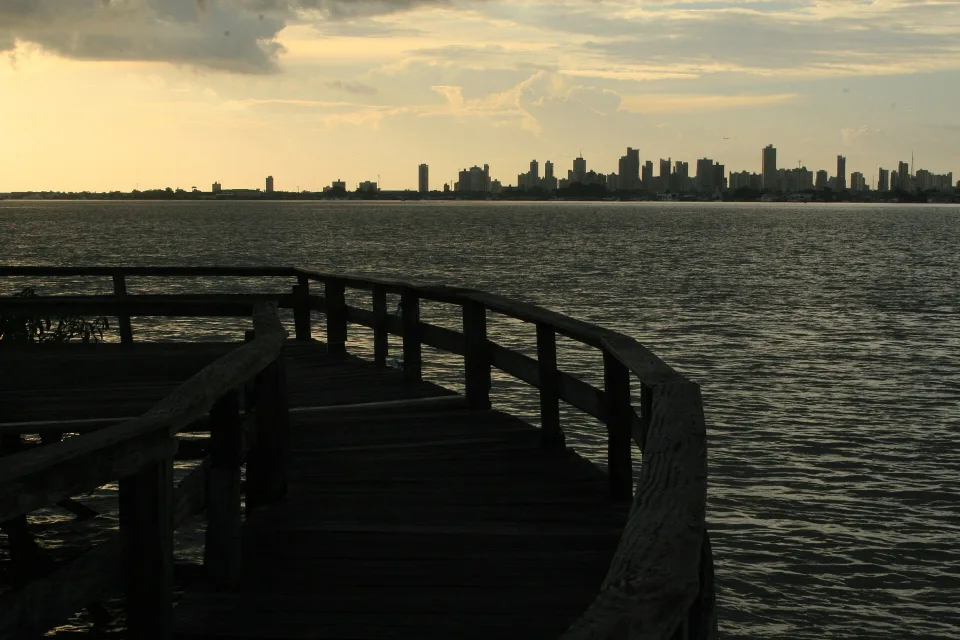
Original photograph of the Ilha do Combu protected riverside landscape across the Guamá from Belém
Photo: Fabrício Coleny / Wikimedia Commons · CC BY-SA 3.0 · Cropped for layout

An island, not just a boat ride

Ilha do Combu: river life beyond the city

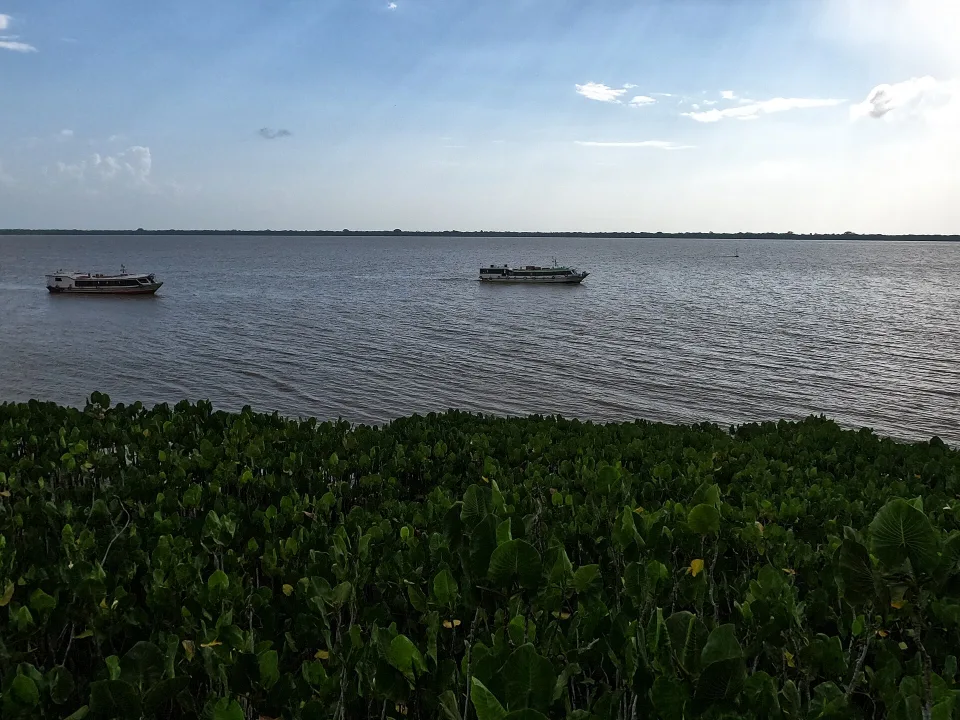
This original July 2012 photograph records Ilha do Combu’s protected riverside landscape on the Guamá, opposite Belém. It is a lived-in island, where açaí, cacao and riverside businesses share space with floodplain forest. The state conservation agency confirms that entry to the protected area is free, but this does not include your boat transfer or a private activity. Check your departure pier, the exact island landing, the weather and the return boat before paying, and respect residents’ privacy.

Plan the separate Combu day in the itinerary

Travel styles

Who does it suit?

These comparative scores show who is likely to enjoy this destination most—and where expectations may need adjusting.

Repeat Brazil travellers10/10
Slow travel9/10
Backpackers9/10
Families with teenagers9/10
Friends9/10
Solo9/10
Active travellers8/10
Couples8/10

Brasilll

How long should you stay?

Four to five nights is ideal. Three nights can cover the central city and one river experience, but five gives food, history and island life enough space without turning Belém into a transit stop.

Four or five nights let you give the market, Cidade Velha, museums and a Combu trip their own time. Stay where trips into the centre work for your group rather than assuming all waterfront accommodation is beside the main market. Combine daytime food stops with indoor breaks: heat, heavy rain and changes to museum access often matter more than a rigid list of attractions.

For Combu, confirm the departure point at Praça Princesa Isabel in the Condor area, or the exact alternative pier your operator uses. A locally published crossing guide says boats may depart once enough passengers have boarded and the number of return boats falls later in the day; hours and prices can change. Agree on life jackets, the last return, the island landing and who you will call if weather shifts. October's Círio de Nazaré brings a very different booking and crowd situation, so plan well ahead if your dates overlap.

Found an outdated price, route or detail? Send the page URL, the information that needs changing and a supporting source if available.

Report an error →

Does this sound like your Brazil?

Use Find Your Brasil to compare this destination with the rest of the country using your own priorities.

Plan Brazil

Getting there & moving on

Use these rounded door-to-door estimates to judge the travel day. Confirm the actual service and departure time before booking.

Main planning gateway

Belém

Typical access Flight · Road · Boat / ferry

Consider arriving directly here to avoid backtracking. Check the actual arrival airport or terminal and the onward journey to your accommodation.

Good onward connections

These are selected options for your next stop. Confirm operating days, connections and total travel time for your dates.