5 nights · default stay

Brazil · Culture · Wildlife · Nature

Ilha de Marajó

River-sea beaches, water buffalo and Marajoara culture define Ilha de Marajó. Travel from Belém, then explore Soure and Salvaterra slowly.

Recommended stay4–6 nights
Ease of travel5/10
First Brazil trip5/10
Infrastructure6/10
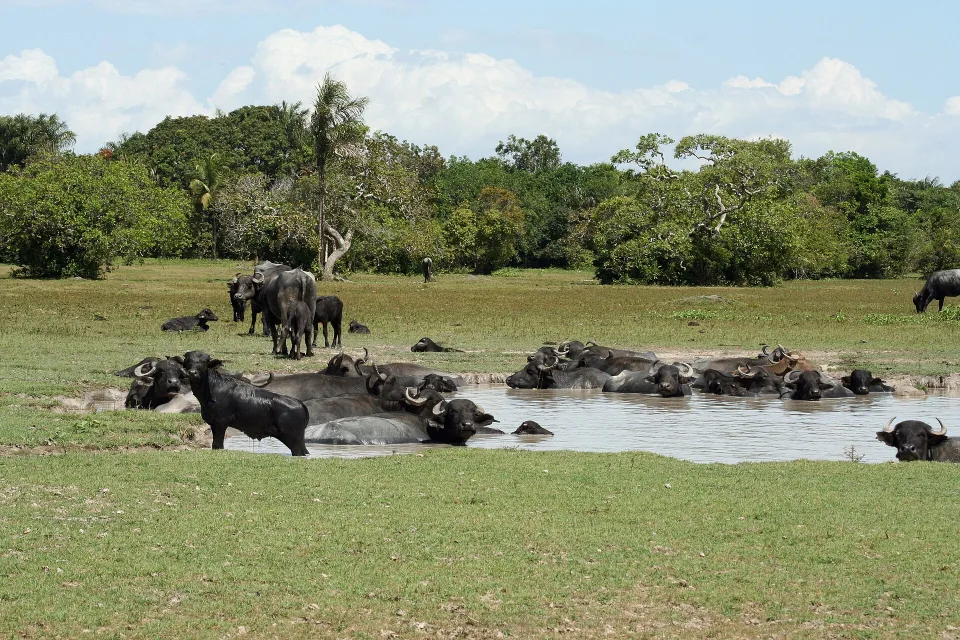
Buffalo on Ilha de Marajó in Pará
0.72°S · 48.52°W Culture
Photo: Celso Abreu · CC BY 2.0

Why this place

Ilha de Marajó

Marajó is one of Brazil’s most distinctive island destinations: vast floodplains and forests meet freshwater and Atlantic-influenced beaches, while buffalo, birdlife, Marajoara ceramics, carimbó and regional food give the island a cultural identity as strong as its nature. Soure and Salvaterra are the most practical starting points.

On Marajó, the decision about where to arrive is as important as what to see. Belém has separate passenger terminals and the Icoaraci vehicle-ferry port, and not all boats make the same stops. Camará is in Salvaterra, after which you may need a road transfer and a further local crossing to reach Soure. State guidance issued in October 2026 emphasises confirming the vessel, identification documents and actual terminal. Do not plan a tight onward flight after the return boat.

The island is a working landscape, not a wildlife park. Water buffalo are associated with dairy, farms and rural life; mangroves and tidal beaches support fishing and community livelihoods. A beach in Soure may feel like the ocean even when river and tides strongly affect it. Go with local advice for currents and bathing. Experiences advertised as a buffalo farm or pottery studio are visits to people's workplaces—ask who hosts them, whether visitors are welcome and what your booking contributes.
The Brasilll take

Marajó is a slow journey between river, mangroves and living culture.

This vast island deserves more than a hurried buffalo photograph. Soure and Salvaterra are practical bases, but the crossings, beaches, mangrove communities and historic Joanes village are different experiences. Start with the ferry logistics from Belém, then give yourself room to meet local craftspeople, taste traditional food and discover the river-sea landscape. Travelling slowly is part of understanding how Marajó works.

What makes this island different

01

The crossing is part of the trip

Different boats leave different Belém facilities; Camará is a landing in Salvaterra, not a Soure hotel. Arrange the onward journey before you book.

02

Nature and local livelihoods are intertwined

Mangroves, river beaches and grazing landscapes support real communities. Visit only with operators or hosts who welcome guests.

03

Marajoara culture is more than buffalo

Pottery traditions, regional foods, music and historical sites make an island visit richer than a beach-and-animal checklist.

Before you book

Marajó ferry checklist: terminal, vessel, landing and Soure connection

Belém has multiple passenger terminals and a separate Icoaraci vehicle ferry. Camará is not a Soure hotel transfer.

01

Get the exact Belém terminal and type of ticket in writing

Pará's port authority lists separate Belém, Tamandaré and Icoaraci passenger terminals, while the Icoaraci car-ferry port is another facility. Artran regulates passenger and vehicle services to Camará. Confirm the ticket's named vessel, boarding address, check-in, photo identification, documents for children, baggage limits, car space and arrival jetty before paying for a transfer. The state recommended arriving one hour before departure in its October 2026 guidance. A listing that says only 'Belém to Marajó' is not enough.

02

Arrange Camará–Salvaterra road transport and a second crossing for Soure

Porto de Camará is on the Salvaterra side, and accommodation in Soure may require an additional road leg and the local Soure–Salvaterra water crossing. Ask the hotel where its driver can meet you, which local ferry or boat is operating, how luggage is handled, and who pays for the second crossing. Pará authorised additional Soure–Salvaterra departures during defined July and August 2026 holidays; those do not establish the normal schedule for November or another year. Plan the connections before booking a remote farm or beach.

03

Choose island experiences by road, tide and private-property permission

Soure's Pesqueiro beach, Salvaterra's Joanes ruins and private buffalo farms are different outings, not automatic stops included in a ferry ticket. Local road conditions, estuary currents and tides can affect access and swimming safety: follow current local advice rather than promising that every beach is safe. Request permission and a genuine appointment to visit a farm, pottery maker or working community venue, especially when taking photos. Allow daylight for the boat-and-road return and do not risk an onward flight with a narrow Belém connection.

At a glance

Brasilll scorecard

The same 0–10 scale is used across the catalogue, so strengths and compromises stay comparable.

These are editorial fit ratings, not visitor-review averages or safety guarantees. A high score describes a strength for a particular kind of trip. How to read these scores →

Culture10/10
Food10/10
History9/10
Nightlife3/10
Beach8/10
Nature10/10
Wildlife10/10
Adventure7/10
Local feel10/10
Photography10/10
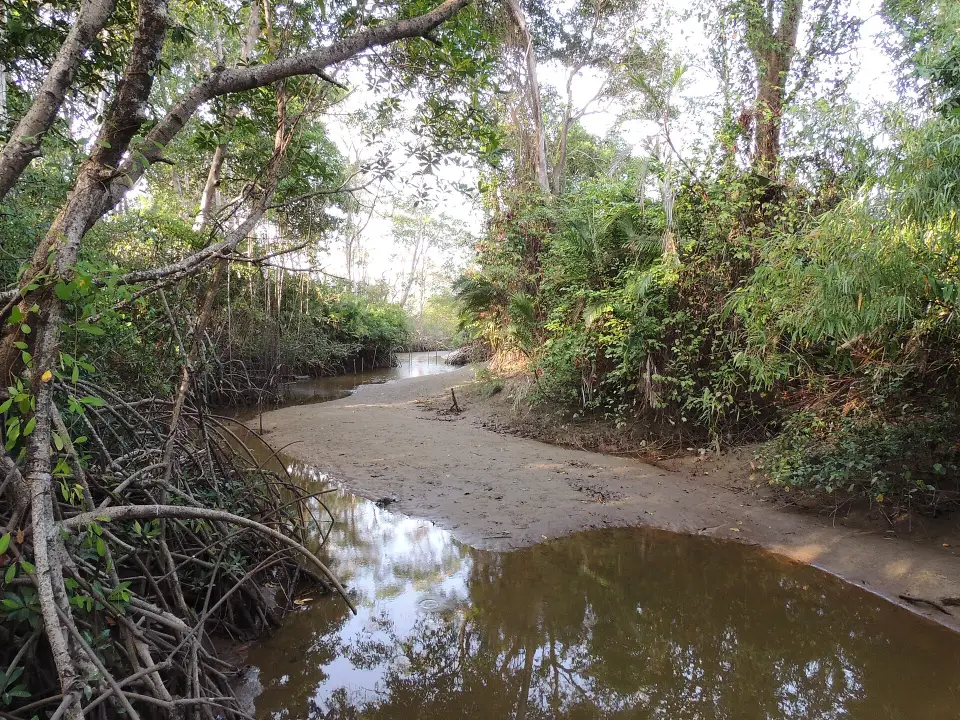
Original wide photograph of mangrove trees and tidal shoreline at Soure on Ilha de Marajó, Pará
Photo: Márcio Morais Silva / Wikimedia Commons · CC BY-SA 4.0 · Cropped for layout

More than a buffalo-island postcard

Soure's mangroves: the working coast of Marajó

Márcio Morais Silva photographed the mangrove landscape at Soure in December 2015. Unlike an open beach, a mangrove is a tidal ecosystem supporting fish, crabs and the people who depend on them. The environment is part of the island's living geography, not a freely accessible playground. Ask about a locally hosted nature walk or community-led visit, keep to permitted paths and avoid disturbing roots, animals or fishing activities. The photograph cannot tell you the tide or access conditions today.

Compare the island's four different travel areas

Where to stay

Four distinct sides of eastern Marajó

Choose between Soure's beaches and craft base, Salvaterra's arrival links, Joanes' colonial heritage and the rural communities. Four very different visits need their own logistics.

Soure & Barra Velha / Pesqueiro

The practical northern base for beach and mangrove outings. Check tide, road conditions and local rules; these are not protected swimming lagoons.

Salvaterra & Camará

Camará is a major arrival port reached from Belém, while Salvaterra is a separate town and transfer hub. Confirm how you continue toward Soure.

Joanes & its church ruins

Near Salvaterra, Joanes offers seventeenth-century religious remains, village life and a different historical story from Soure's buffalo farms.

Rural visits & craft communities

Choose a prearranged farm or ceramic workshop, ask permission before photographing people and arrange a driver for the longer rural roads.

Travel smarter

The decisions that protect a good trip

Check which Belém terminal your boat uses, the Camará transfer and the Soure–Salvaterra crossing. Roads and beaches change with rain, tide and seasonal conditions.

01

Match the exact ferry to your hotel

Check whether you leave the Belém passenger terminal, Icoaraci or another pier. Ask the operator for vessel, check-in, documents, luggage rules, actual landing and every onward connection.

02

Plan Soure–Salvaterra separately

Some routes land at Camará and continue on the road before the local water crossing to Soure. Extra ferry departures announced for a holiday do not define the regular schedule year-round.

03

Travel with the seasons

Seasonal rains can flood rural ground and make tracks difficult. Check current tide and water conditions at beaches and mangroves, and keep return-to-Belém connections flexible.

Weather & timing

When to go

Season matters. These monthly scores combine our current baseline for climate, access and overall travel fit.

Monthly ratings are broad planning guidance, not a weather forecast or confirmation that every activity is operating.

Jan6/10
Feb5/10
Mar5/10
Apr5/10
May6/10
Jun7/10
Jul8/10
Aug9/10
Sep10/10
Oct10/10
Nov9/10
Dec8/10

Build your route

Four days that respect the island's scale

Use a four-day route with a realistic arrival day, a Soure coast day, a separate Joanes visit and an appointment-based cultural or rural outing. Add extra nights for heavy rain.

Day 1

Arrive at Camará and settle in

Take the prebooked boat from the correct Belém pier, meet the agreed transfer and travel to Salvaterra or Soure. After the crossing, keep the afternoon for a simple walk and island food, not a rushed farm visit.

Day 2

Soure, Pesqueiro and the mangrove shore

Explore Soure's coastal side with a local guide or driver who knows the tide and access. Praia do Pesqueiro sits within a living extractive-reserve setting: respect mangroves and communities, and choose safe swimming areas on the day.

Day 3

Joanes and the Salvaterra side

Cross toward Salvaterra and visit the village of Joanes, its Nossa Senhora do Rosário ruins and coastal surroundings. The heritage sites are part of local life, not a museum with guaranteed daily opening hours. Confirm road transfers and the last return.

Day 4

Ceramics, regional food and a rural host

Arrange an actual workshop or farm experience with a welcoming host and a suitable vehicle. Learn where the designs and craft techniques come from, try local dishes and respect the people behind the work. If a road is flooded, spend more time in Soure or Salvaterra instead.

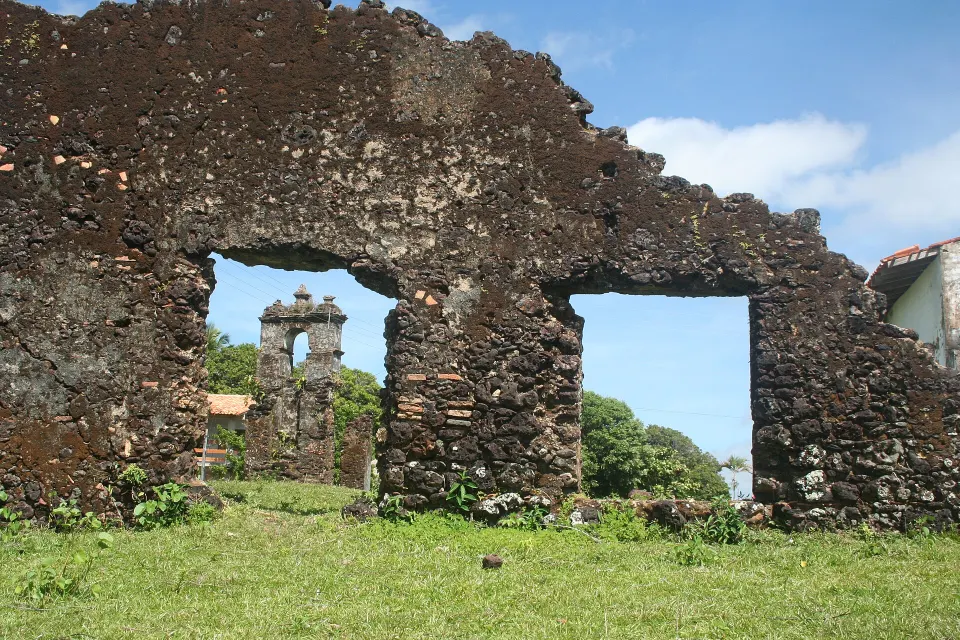
Original photograph of seventeenth-century Nossa Senhora do Rosário church ruins at Joanes, Salvaterra, Ilha de Marajó
Photo: Celso Abreu / Wikimedia Commons · CC BY 2.0 · Cropped for layout

A different history on the Salvaterra side

Joanes: read the seventeenth-century church ruins

Celso Abreu's original July 2007 photograph records the remains of Nossa Senhora do Rosário church at Joanes, in the municipality of Salvaterra. The ruins connect the island to colonial missionary history, a separate layer from older Marajoara ceramics and contemporary village craft. Salvaterra promoted Joanes as a cultural destination again in 2026. Set aside daylight for the village, confirm transport across the Soure–Salvaterra connection and respect the archaeological remains: do not climb on fragile walls or remove anything.

Make room for Joanes in the four-day route

Travel styles

Who does it suit?

These comparative scores show who is likely to enjoy this destination most—and where expectations may need adjusting.

Repeat Brazil travellers10/10
Slow travel10/10
Active travellers9/10
Backpackers9/10
Couples9/10
Solo9/10
Families with teenagers8/10
Friends8/10

Brasilll

How many nights on Marajó?

Four to six nights suit a first slow journey, particularly if you want a day in each town, a real cultural visit and a weather buffer. An overnight stay beats trying to catch the Belém ferry back after a beach trip.

Four to six nights give the region room to breathe. Soure works well for coastal outings, food and craft workshops, while Salvaterra makes sense if you want to spend time around Joanes or manage the Camará connection. Neither town puts every attraction within walking distance; arrange transport by route rather than assuming the whole island is compact. In wetter months, flood-prone rural roads can change what is realistic on a given day.

Reserve a separate trip to Joanes for the remains of Nossa Senhora do Rosário, associated with the seventeenth-century mission history of the settlement. Salvaterra's municipality highlighted the village in its 2026 cultural-tourism programme. This is a different kind of heritage from the much older Marajoara ceramic traditions; a conscientious guide will distinguish archaeological sites, colonial buildings and contemporary craft instead of blending them into a single story. Check each site's current access and pay local artisans fairly.

Found an outdated price, route or detail? Send the page URL, the information that needs changing and a supporting source if available.

Report an error →

Does this sound like your Brazil?

Use Find Your Brasil to compare this destination with the rest of the country using your own priorities.

Plan Brazil

Getting there & moving on

Use these rounded door-to-door estimates to judge the travel day. Confirm the actual service and departure time before booking.

Arrival base

Soure / Salvaterra

Typical access Boat / ferry

Start by choosing Soure or Salvaterra and matching the boat arrival with the onward land transfer. Confirm the arrival terminal before booking accommodation transport.

Good onward connections

These are selected options for your next stop. Confirm operating days, connections and total travel time for your dates.