4 nights · default stay

Brazil · Nature · Ecotourism · Wildlife

Novo Airão & Anavilhanas

Novo Airão is a gateway to the Rio Negro that changes character with the river level. In the lower-water months, pale sandbars appear among Anavilhanas' islands; when the river rises, boats and canoes enter flooded igapó forest instead. Stay in the river town, choose a locally organised outing for the conditions you actually find, and treat the far more remote Jaú National Park as a different journey altogether.

Recommended stay3–5 nights
Ease of travel6/10
First Brazil trip7/10
Infrastructure6/10
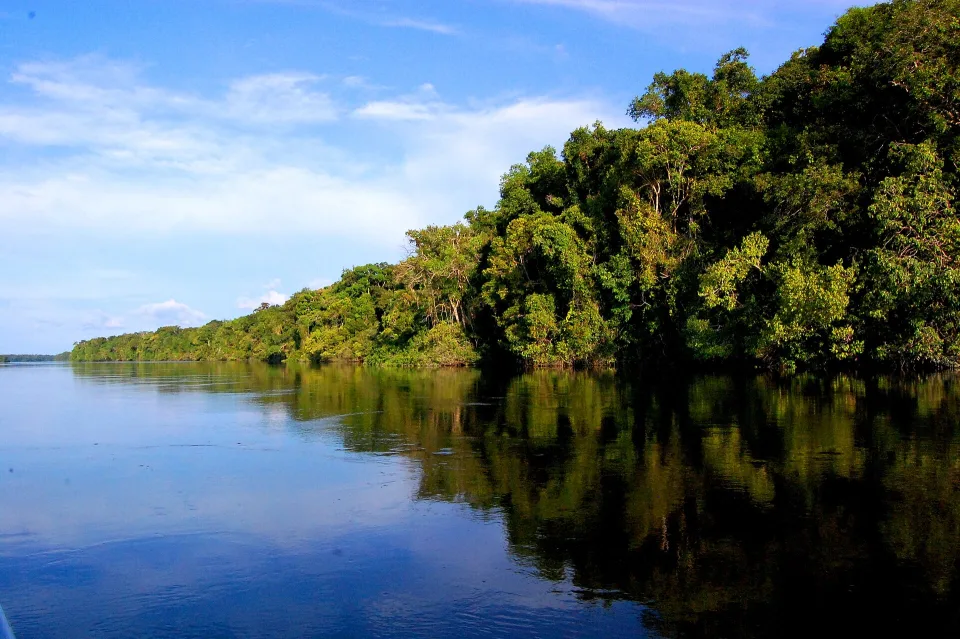
Rio Negro landscape at Novo Airão in Amazonas
2.62°S · 60.94°W Nature
Photo: Daniela Lopes Segadilha · CC BY-SA 4.0

Why this place

Novo Airão & Anavilhanas

Novo Airão is one of the most practical gateways from Manaus into the lower Rio Negro. The town sits beside Anavilhanas National Park, where hundreds of river islands, igapó forest, wildlife, beaches in the low-water season and community-based experiences create a very different Amazon stay from a city-based excursion.

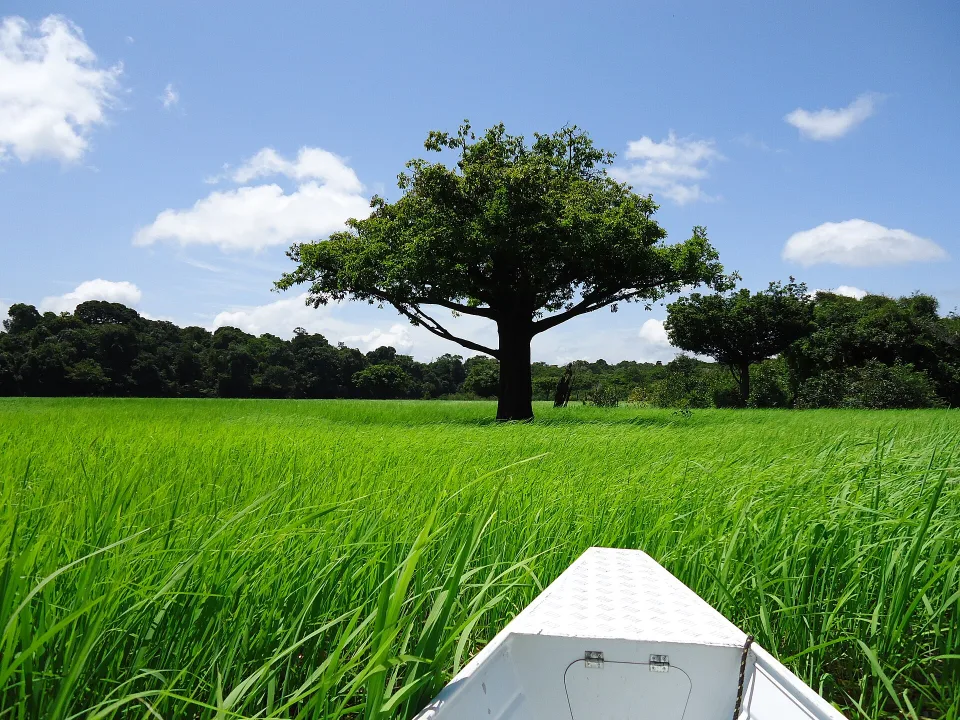
The great appeal of Anavilhanas is a living landscape rather than one fixed postcard. Islands and narrow channels form a maze on the blackwater Rio Negro, but the same place can look completely different a few months later. The park's seasonal guidance places many river beaches around September to February and flooded-forest trips around March to August. These are typical windows, not promises of particular sandbanks or navigable canoe routes on a set date.

A river tour is the centrepiece, not a quick add-on to a road trip. Agree on the permitted route, departure point, length, return time and appropriate life jackets before boarding. Wildlife is unpredictable, so prioritise respectful observation over guaranteed dolphin contact. In Novo Airão itself, leave time for a riverside evening and local businesses; the town is more than a car park for the islands.
Before you book

Novo Airão: river season and operator decisions

Anavilhanas is not a conventional park where a fixed road circuit delivers the main sights. Water level and boat itinerary change what you can do, even when the national park is open.

01

High water and low water are two different experiences

The Ministry of Tourism's Anavilhanas park profile describes roughly March–August as the high-water period associated with flooded-forest canoeing, and September–February as the lower-water period when river beaches emerge. These are seasonal tendencies, not guarantees for a particular week. Ask the operator which route is feasible for the current river level.

02

Book a boat itinerary, not an 'Amazon wildlife guarantee'

Ask which part of the Anavilhanas archipelago the excursion reaches, how many people share the vessel, and how long you actually spend exploring rather than transferring. Sightings depend on season and chance. Prefer operators who explain park rules and avoid chasing or handling animals.

03

Protect the return logistics to Manaus

Novo Airão is a base for staying on the Rio Negro, not automatically an easy add-on after a flight. Check your road transfer, lodge checkout and any boat departure before purchasing a same-day onward flight from Manaus. Keep a land-based or town activity available when water or weather changes the intended route.

At a glance

Brasilll scorecard

The same 0–10 scale is used across the catalogue, so strengths and compromises stay comparable.

These are editorial fit ratings, not visitor-review averages or safety guarantees. A high score describes a strength for a particular kind of trip. How to read these scores →

Culture8/10
Food7/10
History6/10
Nightlife2/10
Beach5/10
Nature10/10
Wildlife10/10
Adventure8/10
Local feel9/10
Photography10/10
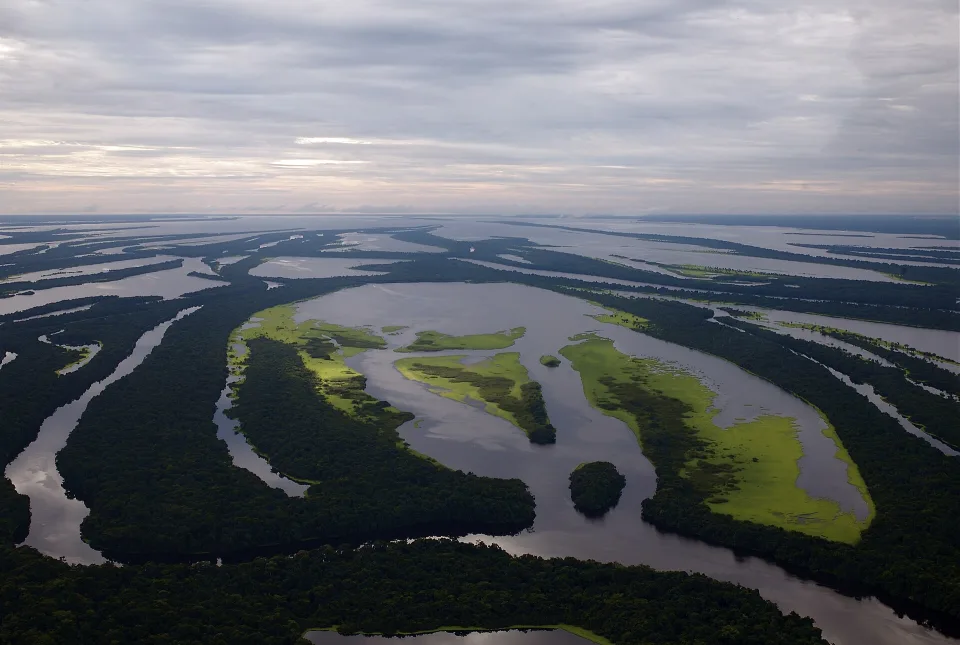
Aerial photograph of the Rio Negro and islands of Anavilhanas National Park, Amazonas
Photo: Jason Auch / Wikimedia Commons · CC BY 2.0 · Cropped for layout

Why the river matters more than the calendar

Anavilhanas: a moving maze of islands and dark-water channels

From above, Anavilhanas looks like an immense puzzle of islands on the Rio Negro. That is the geography you explore by boat, not a single beach with a fixed schedule. Low water may reveal sandbanks, while higher water opens different routes between the trees. Ask your local guide what is reachable on the day, rather than assuming the photograph is a map of today's conditions.

Compare the different river experiences

Where to stay

Novo Airão: the town, flood-season forest, dry-season beaches and Jaú are different trips

Novo Airão is your practical town base; seasonal Anavilhanas channels and sandbanks are guided boat environments; regulated boto observation is a separate activity; Jaú is a longer, independently authorised national-park trip.

Novo Airão — river town and real boat departure

Novo Airão is the practical base for Rio Negro stays and local boat operators, and ICMBio lists the Anavilhanas park office in town. Confirm the actual riverside boarding point, your lodging and the journey from Manaus; a roadside hotel booking does not include an island cruise or an authorised guide.

High water — igapó canoeing among flooded trees

The official Anavilhanas management plan describes roughly March to August as the high-water window when the flooded-forest canoe routes are typically possible. Ask your operator which channels are navigable with the actual river level, and avoid promising a walk on beaches that may be underwater.

Low water — sandbanks and river beaches

ICMBio's management plan identifies approximately September through February as the time when sand beaches and some forest paths emerge. These are seasonal tendencies rather than a daily guarantee. Choose a legal stopping beach and take local river-safety advice before swimming in the powerful Negro.

Flutuante dos Botos versus Parque Nacional do Jaú — separate decisions

The park management plan documents a managed dolphin-interaction area at the Novo Airão waterfront, not an invitation to chase or feed wild river dolphins wherever they appear. Nearby Jaú is an entirely separate protected park whose ICMBio visitor guidance requires a prior entry authorisation and organised transport.

Travel smarter

Three river decisions to make before booking

A few practical decisions before departure can save time and make the experience easier on the ground.

01

Does a September beach photograph mean beaches exist every month?

No. The ICMBio management plan distinguishes roughly September–February low-water beaches from March–August flooded forest, with significant year-to-year variation. Ask the boat operator about the actual river stage.

02

Does an Anavilhanas boat ticket grant access to Jaú?

No. These are different national parks. The Jaú visitor guidance states a specific prior authorisation is required and public transport does not run directly into the park; plan its boat and overnight logistics separately.

03

Can visitors touch, feed or pursue dolphins on any river excursion?

No. River-dolphin experiences have specific management rules and authorised areas. Choose responsible operators, respect the animals' space and do not treat an encounter as an advertised guaranteed performance.

Weather & timing

When to go

Season matters. These monthly scores combine our current baseline for climate, access and overall travel fit.

Monthly ratings are broad planning guidance, not a weather forecast or confirmation that every activity is operating.

Jan7/10
Feb7/10
Mar8/10
Apr8/10
May9/10
Jun9/10
Jul9/10
Aug9/10
Sep10/10
Oct10/10
Nov9/10
Dec8/10

Build your route

Three days matched to the river level, not fixed island photographs

Arrange a flexible three-day river stay around the real water level: arrival and operator checks, one permitted island or flooded-forest route, then a second nearby outing or a sensible return to Manaus.

Day 1

Reach Novo Airão and check the water season

Arrive from Manaus with travel buffer, speak to your operator about river height and reserve the actual boat, route and boarding point. Visit local riverfront businesses if open and ask about wildlife-interaction rules rather than assuming close contact is included.

Day 2

Use a permitted Anavilhanas route for your season

During high water, favour a guided canoe route through flooded forest where allowed; during lower water, consider a permitted sand beach and boat tour. Keep life jackets and wildlife distance a priority regardless of the plan.

Day 3

Choose a second river outing or keep the Manaus return realistic

Use another authorised nearby boat route if conditions allow. A visit inside Parque Nacional do Jaú is a separate, longer trip with its own ICMBio authorisation; do not promise Jaú on a spare afternoon before a flight.

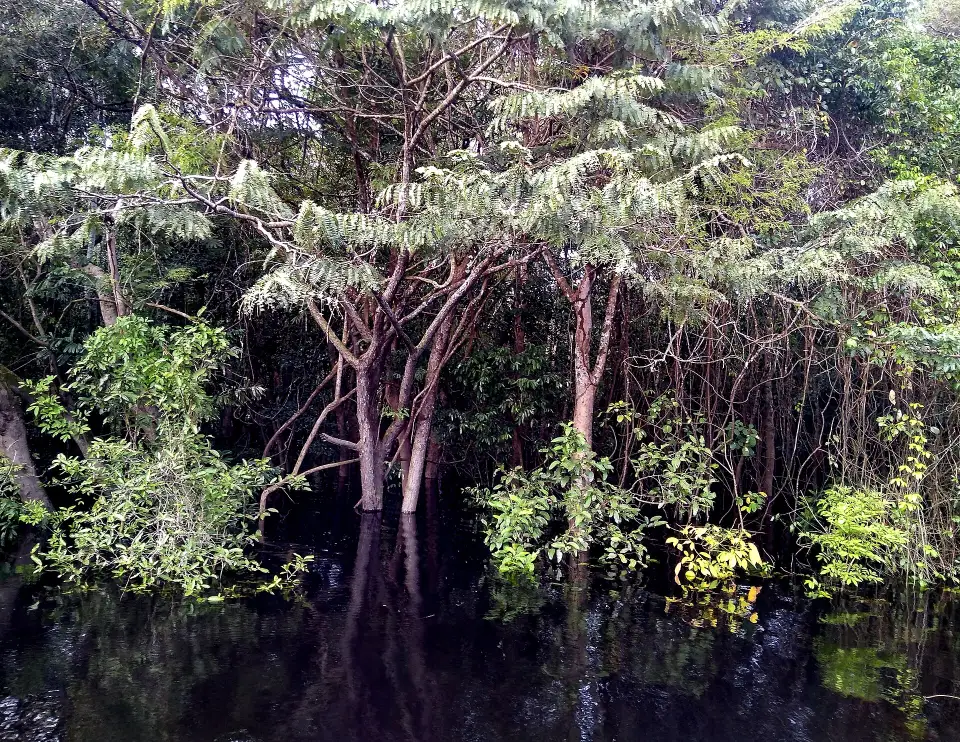
Real flooded igapó forest on the Rio Negro in Anavilhanas National Park, Novo Airão
Photo: Andre zumak / Wikimedia Commons · CC BY-SA 4.0 · Cropped for layout

A different forest when the Rio Negro rises

Igapó: see the rainforest from the water

In the high-water season, blackwater floods the forest floor and narrow channels can become canoe routes. This genuine photograph shows the riverbank igapó within Anavilhanas. Go only with an operator who knows which passages are permitted and navigable at the current water level. In the lower-water months, you may see exposed shorelines instead of this flooded scene.

Plan a season-aware three-day stay

Travel styles

Who does it suit?

These comparative scores show who is likely to enjoy this destination most—and where expectations may need adjusting.

Repeat Brazil travellers10/10
Slow travel10/10
Couples9/10
Active travellers9/10
Luxury travellers8/10
Backpackers8/10
Families with teenagers8/10
Friends8/10

Brasilll

How long should you stay?

We recommend 3–5 nights as a starting point. Include the arrival and departure journeys in your plan, then adjust the stay around the local outings you choose.

Two nights can work for one carefully booked Anavilhanas outing, but three nights are more comfortable if you want a second river experience or protection against heavy rain and delayed travel from Manaus. Stay in or near Novo Airão when your priority is an early boat departure. If you are only passing through, avoid tying a same-day return journey to a specific, weather-sensitive river activity.

Choose accommodation by its actual route to the waterfront or agreed boat embarkation point, not by the word “Amazon” in the listing. Confirm whether transfers and meals are included and what happens if the operator changes the route for safety or water levels. A multi-day visit to Jaú needs separate permits, transport and a different timetable; do not bundle it casually with a short Anavilhanas stay.

Found an outdated price, route or detail? Send the page URL, the information that needs changing and a supporting source if available.

Report an error →

Does this sound like your Brazil?

Use Find Your Brasil to compare this destination with the rest of the country using your own priorities.

Plan Brazil

Getting there & moving on

Use these rounded door-to-door estimates to judge the travel day. Confirm the actual service and departure time before booking.

Arrival base

Novo Airão

Typical access Road

Choose a Novo Airão base and confirm how you will reach the town from Manaus. Arrange Anavilhanas boat departures from the actual lodging or agreed meeting point.

Good onward connections

These are selected options for your next stop. Confirm operating days, connections and total travel time for your dates.