5 nights · default stay

Brazil · Beach · Nature · Culture

Morro de São Paulo

Morro de São Paulo offers clear-water beaches, green headlands and restaurants directly on the sand. Its numbered beaches change from lively to peaceful as you walk east. Sea conditions, tides and the final walk to your pousada all matter, so choose your beach base and confirm the transfer from Salvador before travelling.

Recommended stay4–5 nights
Ease of travel6/10
First Brazil trip8/10
Infrastructure7/10
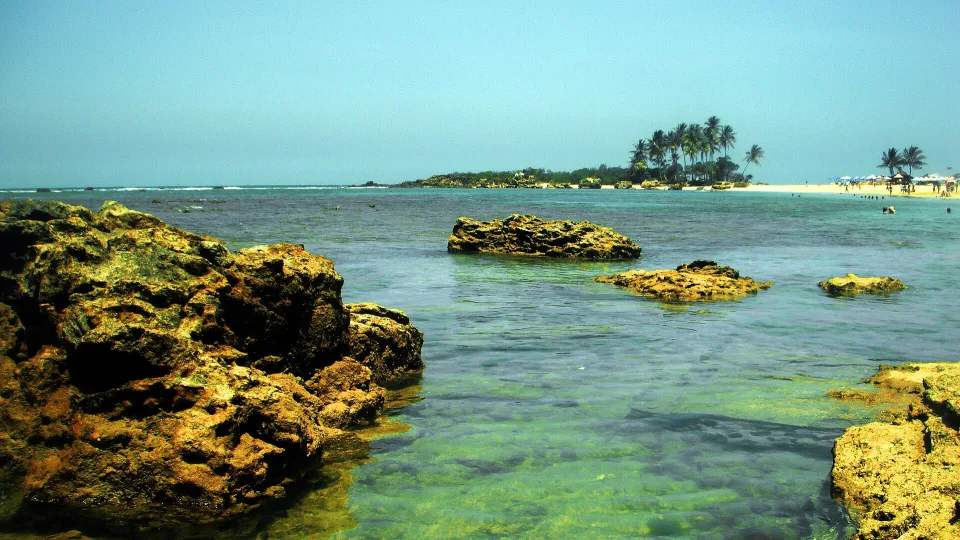
First Beach at Morro de São Paulo on Ilha de Tinharé, Bahia
13.38°S · 38.91°W Beach
Photo: Eduardo P · CC0 1.0

Why this place

Morro de São Paulo

Morro de São Paulo sits on Ilha de Tinharé in the Cairu archipelago and works best as a stay rather than a rushed day trip. The numbered beaches change character from lively to quiet as you move away from the village, while viewpoints, Gamboa and Garapuá add variety. Arrival logistics and the municipal TUPA visitor fee are part of the planning, not small print.

Morro lies on Tinharé Island, not on the mainland. Most visitors arrive by sea; the village is pedestrian-oriented and beach paths can be sandy. Ask your accommodation about the final walk from the pier and whether a luggage porter is needed.

Primeira, Segunda, Terceira and Quarta Praia have different atmospheres and walking distances. Restaurants and nightlife cluster around the village and Segunda Praia; Quarta Praia feels quieter. Trips to Garapuá and neighbouring Boipeba depend on tides, sea conditions and the operator's actual itinerary.
The Brasilll take

Morro de São Paulo works when you accept that getting there is part of the island experience.

Once you arrive, the geography becomes simple: village streets, viewpoints and a sequence of numbered beaches that gradually shift from social to relaxed. The destination is polished enough to be comfortable but still shaped by boats, sand, slopes and island logistics. It is not an undiscovered escape, yet it remains one of Bahia’s easiest places to mix beautiful water, restaurants, nightlife and days with very little agenda.

What makes Morro de São Paulo work

01

Each beach has a different role

Primeira and Segunda Praia keep you close to village energy; moving farther along the coast generally brings more space and a slower pace. Choosing where to sleep matters as much as choosing the island itself.

02

The village is built for moving on foot

The pedestrian core creates atmosphere, but it also means stairs, sandy sections, slopes and luggage handling. That is charming for some travellers and a real accessibility issue for others.

03

You can leave the numbered-beach routine

Gamboa, Garapuá, viewpoints and boat outings add enough variety that four or five nights do not have to mean repeating the same beach day.

Before you book

Morro de São Paulo or Boipeba? Do not confuse two different islands

A Boipeba boat stop can look like an easy addition to a Morro holiday, but Morro lies on Tinharé while Boipeba is a separate island with different beaches, transfers and accommodation choices. Decide whether you want a short organised outing or several quieter nights.

01

Morro is the livelier base; Boipeba is a separate trip

Stay around Morro de São Paulo for numbered beaches, restaurants and nightlife. Choose Velha Boipeba or Moreré when you want more time for quiet coastal walks, mangroves and reef pools. These are not neighbouring hotel districts connected by an easy beach stroll.

02

A boat day trip is not a full Boipeba experience

Some excursions advertise a Boipeba stop from Morro, but actual time ashore depends on sea conditions, island routing and transfer arrangements. If Moreré, Cueira, the village and slower beach days are the point, stay overnight on Boipeba rather than treating a brief boat stop as a complete visit.

03

Confirm your actual arrival pier and transfers

Cairu municipality announced construction of a new Boipeba passenger terminal in May 2026. That is not a guarantee it has opened. Ask the operator which pier currently serves the transfer, how luggage reaches the accommodation and what happens during rough seas.

04

Tide windows and protected reefs require care

Moreré and other reef-pool trips depend on low tide and safe sea conditions. INEMA identifies the Tinharé–Boipeba coastal environment as a protected area with reefs and mangroves. Use a responsible local operator, avoid stepping on living coral and keep a weather alternative.

At a glance

Brasilll scorecard

The same 0–10 scale is used across the catalogue, so strengths and compromises stay comparable.

These are editorial fit ratings, not visitor-review averages or safety guarantees. A high score describes a strength for a particular kind of trip. How to read these scores →

Culture6/10
Food8/10
History6/10
Nightlife8/10
Beach10/10
Nature8/10
Wildlife6/10
Adventure7/10
Local feel7/10
Photography9/10
Actual coastal panorama of Segunda Praia at Morro de São Paulo, Bahia
Photo: Beto Quissak / Wikimedia Commons · CC BY-SA 4.0

Choose your beach

A different rhythm on every beach

Segunda Praia has a lively beach atmosphere; farther along the coast the sands and mornings feel quieter. The walk to restaurants and the arrival pier grows longer too. Match your base to the kind of days and evenings you want.

Compare the beach areas

Where to stay

Four useful ways to divide the island stay

Choose the village for easy restaurants and arrival access, Segunda Praia for a lively beach stay, or quieter stretches beyond Terceira Praia when you value space over nightlife.

Village & Primeira Praia

Best for arrival, restaurants, viewpoints and being close to the historic core and evening activity.

Segunda Praia

The social centre for beach bars, restaurants, music and travellers who want energy close to their room.

Terceira & Quarta Praias

Progressively calmer beach time with more space while remaining connected to the main settlement.

Gamboa & Garapuá

Useful changes of scenery for travellers who want to see more of Tinharé than the main numbered-beach strip.

Travel smarter

Access and the visitor fee deserve attention before arrival

A few practical decisions before departure can save time and make the experience easier on the ground.

01

Choose the transfer for your tolerance, not only price

Routes from Salvador and the mainland can involve sea crossings, mixed road-and-boat transfers or connections via Valença. Compare duration, sea conditions and luggage handling rather than treating all options as equivalent.

02

Check TUPA directly with Cairu

The municipal visitor fee changes over time and had a 2026 update. Use the official Cairu/TUPA channel for the current amount and payment process instead of relying on an old blog or screenshot.

03

Pack for walking and luggage logistics

Sand, slopes and steps are part of the destination. A lighter bag and suitable footwear make arrival and hotel transfers much easier.

Weather & timing

When to go

Season matters. These monthly scores combine our current baseline for climate, access and overall travel fit.

Monthly ratings are broad planning guidance, not a weather forecast or confirmation that every activity is operating.

Jan10/10
Feb9/10
Mar8/10
Apr7/10
May6/10
Jun6/10
Jul7/10
Aug7/10
Sep8/10
Oct9/10
Nov9/10
Dec10/10

Build your route

A strong island stay in four days

These four days combine the village, numbered beaches, a tide-aware outing and an unhurried morning. Keep boat transfers and onward travel flexible.

Day 1

Village, viewpoint and first beaches

Arrive via a confirmed catamaran from Salvador, a combined ferry-and-road connection via Itaparica and Valença, or another service that actually operates on your date. Bahia's tourism department describes these as different routes; compare sea time, motion-sickness risk, stops and luggage handling rather than assuming identical transfers. At Morro's pier, check Cairu's official TUPA payment process and the uphill walk to your pousada. Keep the rest of the day for the village and a nearby viewpoint, not a distant boat excursion.

Day 2

Second to Fourth Beach

Walk from Primeira Praia into Segunda Praia for the lively bars, then continue through Terceira towards Quarta Praia at a pace that suits your energy and the day's tide. The beach character changes, but it is not a flat paved promenade: expect sand, sun and uneven access, and ask before entering the water where currents or reefs affect swimming. A hotel near Segunda suits evenings; a stay farther down Quarta offers quieter space but a longer return after dinner.

Day 3

Gamboa or Garapuá

Choose either Gamboa, with its different village atmosphere, or a properly organised Garapuá trip; they should not be treated as interchangeable quick beach stops. A coastal walk toward Gamboa may depend on low tide and a safe route, while Garapuá generally needs a more deliberate boat or overland excursion. Check the exact operator, stops, local sea conditions, return arrangement and whether food is included. Do not assume one 'island tour' guarantees every named sandbank.

Day 4

Choose your version of Morro

Use the last full day for a favourite numbered beach, a booked water activity or another slow village morning. Cairu's TUPA was updated during 2026, and its June municipal notice adjusted the implementation timetable; confirm the current charge, exemptions and official payment method rather than relying on a year-old travel blog. If your return sailing connects to a Salvador flight, leave generous sea-weather and road-transfer margins instead of adding a final offshore trip.

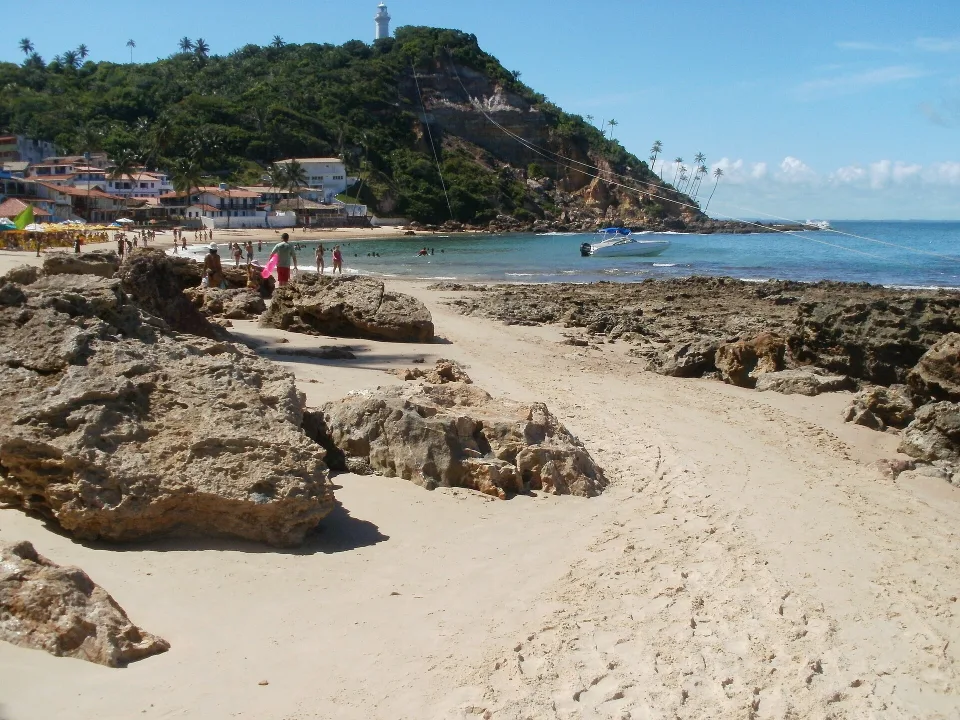
Actual photograph of Morro de São Paulo lighthouse above the coastal vegetation
Photo: Dante Laurini Jr / Wikimedia Commons · CC BY-SA 4.0

Above the village

Discover the island beyond the beach

The lighthouse above the village points toward Morro's green headland and viewpoints. Leave time for a relaxed walk instead of packing every beach and boat trip into a single day.

See the four-day route

Travel styles

Who does it suit?

These comparative scores show who is likely to enjoy this destination most—and where expectations may need adjusting.

Couples10/10
Friends10/10
Repeat Brazil travellers9/10
Slow travel9/10
Backpackers9/10
Families with teenagers9/10
Luxury travellers8/10
Active travellers8/10

Brasilll

How long should you stay?

Four to five nights works very well. Three nights can feel short once arrival and departure are counted; five gives enough space to enjoy the main beaches, one wider-island outing and unplanned time.

Three or four nights are a sensible first stay. A late arrival and an early departure by boat can quietly take away much of two days.

Check Cairu's current visitor fee (TUPA) and exemptions on the official municipal portal. Confirm the pier, last luggage transfer and operator's bad-weather policy; do not rely on old fee amounts or fixed boat schedules.

Found an outdated price, route or detail? Send the page URL, the information that needs changing and a supporting source if available.

Report an error →

Does this sound like your Brazil?

Use Find Your Brasil to compare this destination with the rest of the country using your own priorities.

Plan Brazil

Getting there & moving on

Use these rounded door-to-door estimates to judge the travel day. Confirm the actual service and departure time before booking.

Main planning gateway

Salvador

Typical access Boat / ferry · Road
Gateway transfer Boat transfer · ~3 h Regular connections · Half-day transfer

Start by checking arrivals into Salvador, then confirm the onward transfer to this destination. Boat or ferry stages make timing more dependent on the connection sequence, so avoid planning a tight onward commitment.

Good onward connections

These are selected options for your next stop. Confirm operating days, connections and total travel time for your dates.