Why this place
Ouro Preto
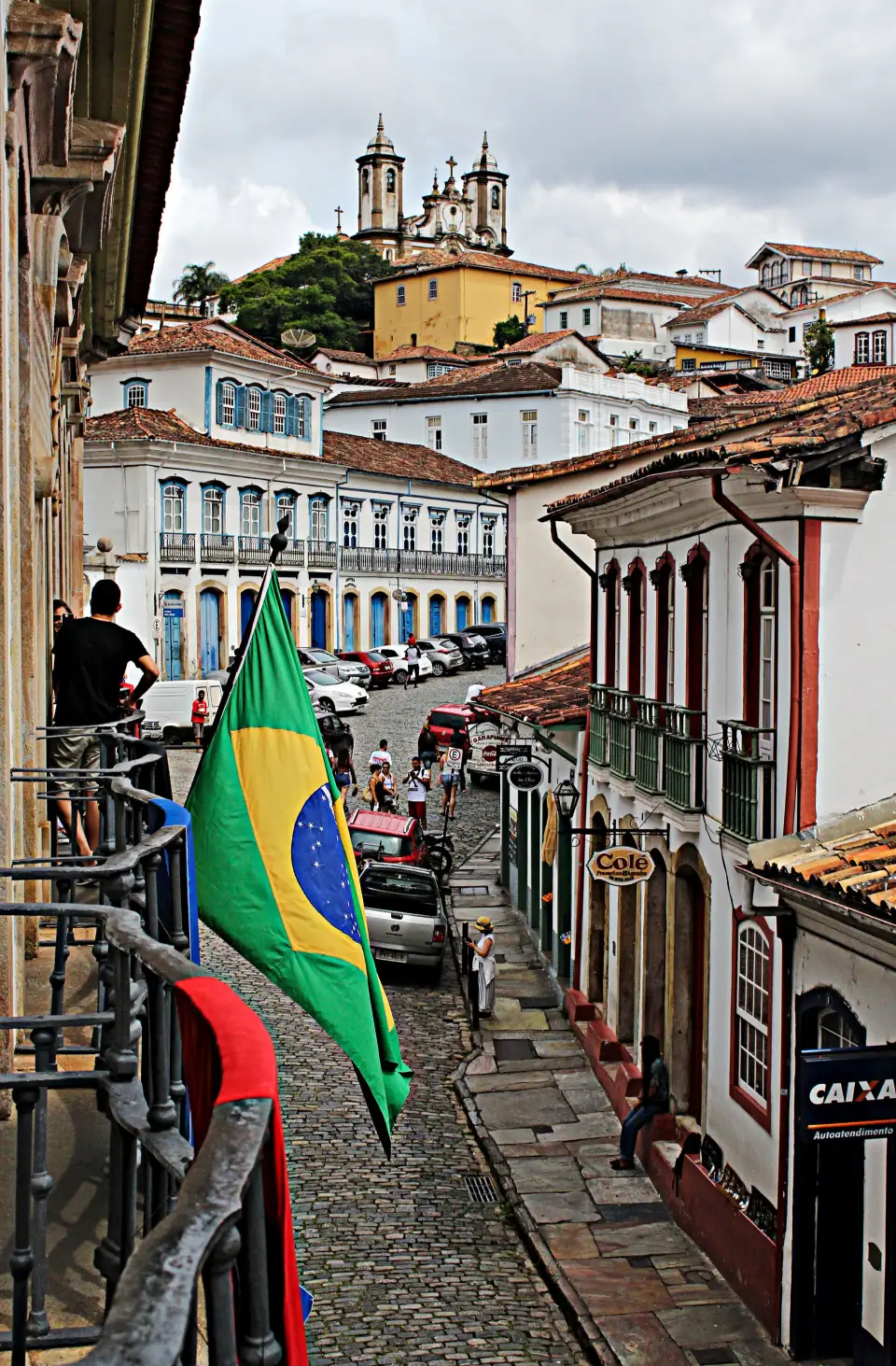
Ouro Preto is one of Brazil’s strongest heritage destinations: an unusually intact colonial urban landscape shaped by the gold cycle, baroque churches and the work associated with Aleijadinho.

Brazil · History · Culture
Brazil’s baroque hill town of churches, gold-rush history, steep streets and exceptional colonial architecture.
Why this place
Ouro Preto is one of Brazil’s strongest heritage destinations: an unusually intact colonial urban landscape shaped by the gold cycle, baroque churches and the work associated with Aleijadinho.
A place should not be reduced to one hero image. These views show different parts of the experience and landscape.
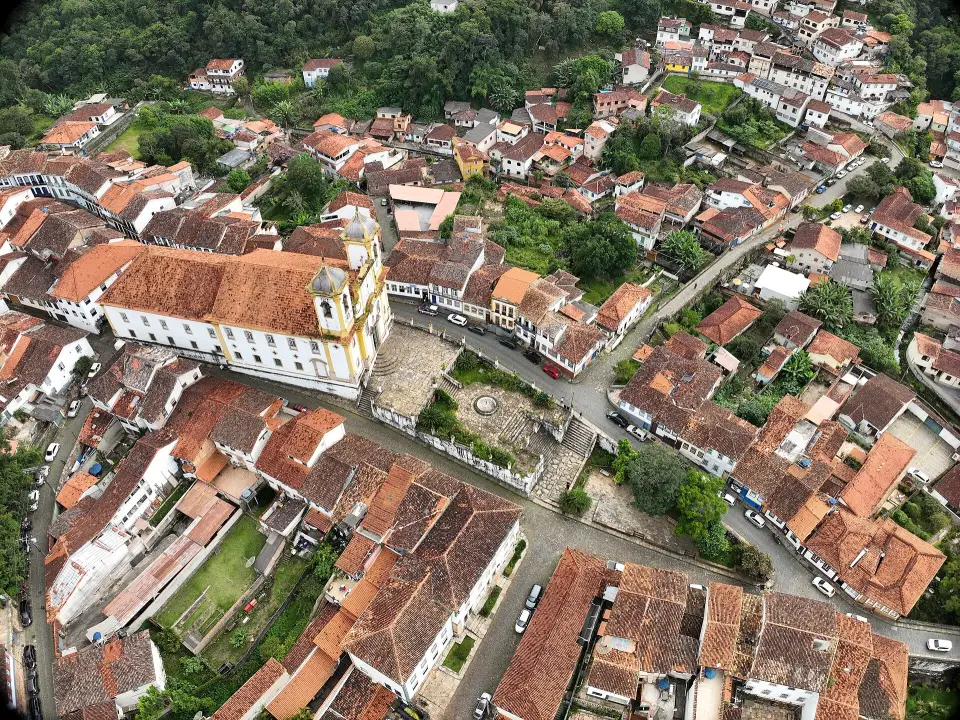
Ouro Preto’s hillside layout is clear in the dense streets of its historic centre.
Photo: Rafael Lemieszek · CC BY-SA 4.0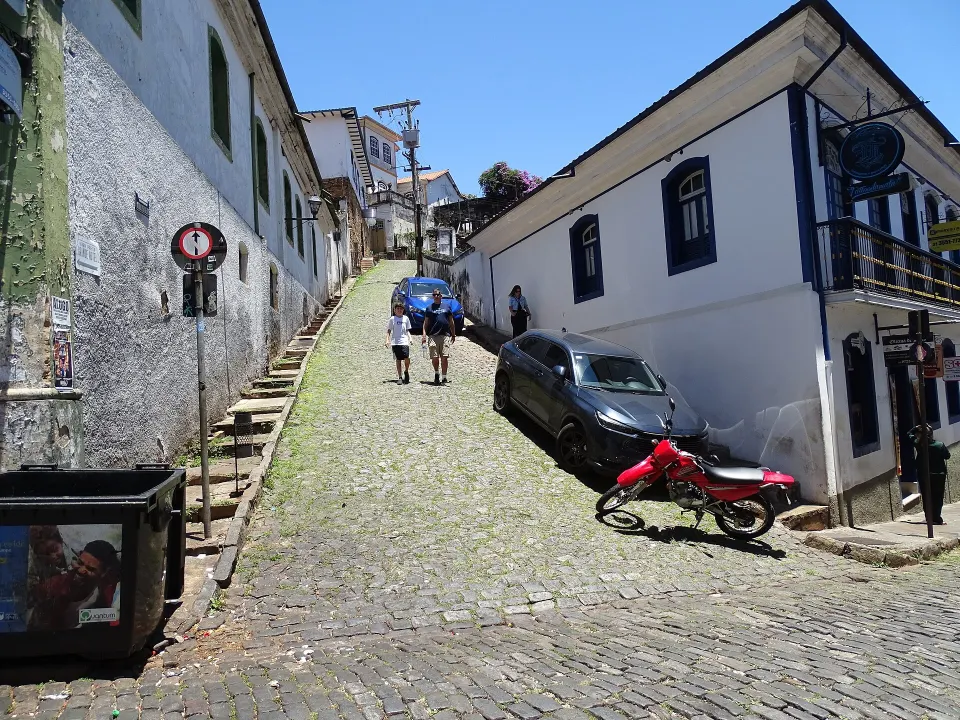
The historic streets reward slower walks between churches, museums and neighbourhood views.
Photo: DarwIn · CC BY-SA 4.0The Brasilll take
Gold, religion, slavery, baroque art and the independence movement shaped a dense hill town whose architecture survived unusually intact. The reward is not one church or museum but walking through a historic landscape where the streets themselves carry the story.
Churches such as São Francisco de Assis and Nossa Senhora do Pilar show the scale of the artistic wealth generated during the mining cycle and the importance of figures such as Aleijadinho.
The gold economy depended on enslaved labour. Museums, mines and religious buildings make more sense when the trip acknowledges both the wealth that was created and the people who paid for it.
Steep streets constantly reveal roofs, church towers and mountain views. Trying to rush Ouro Preto misses one of its strongest qualities, although those same slopes are a genuine accessibility challenge.
The same 0–10 scale is used across the catalogue, so strengths and compromises stay comparable.
These are editorial fit ratings, not visitor-review averages or safety guarantees. A high score describes a strength for a particular kind of trip. How to read these scores →
The central orientation point for museums, civic history and routes into the surrounding historic streets.
Choose a few major churches and take time with their interiors and context rather than trying to enter every one.
A mine visit can turn the abstract gold cycle into something physical, but select operators and access conditions carefully.
If you have an extra day, the wider mining region adds another historic town and helps place Ouro Preto in a regional story.
Good shoes are essential. Travellers with knee, balance or mobility issues should choose accommodation location very carefully and use vehicles strategically.
Church opening times vary and visual overload is real. Two or three well-chosen interiors can be more meaningful than a rushed marathon.
Altitude makes the climate different from the coast. Carry a layer even when a wider Brazil itinerary has felt tropical.
Season matters. These monthly scores combine our current baseline for climate, access and overall travel fit.
Monthly ratings are broad planning guidance, not a weather forecast or confirmation that every activity is operating.
Orient around the main square, choose a major museum and walk the central historic streets slowly.
Focus on two or three churches, viewpoints and a mine or historical experience that adds context to the gold cycle.
Add Mariana, another mine, a longer architectural walk or simply revisit the old town at a slower pace.
Brasilll
Two nights cover the essential historic core; three are better if you enjoy architecture and museums or want a regional excursion. A day trip is possible but loses the evening atmosphere and turns the hills into a race.
Found an outdated price, route or detail? Send the page URL, the information that needs changing and a supporting source if available.
Report an error →Use Find Your Brasil to compare this destination with the rest of the country using your own priorities.
Plan Brazil
Use these rounded door-to-door estimates to judge the travel day. Confirm the actual service and departure time before booking.
Start by checking arrivals into Belo Horizonte & Inhotim, then confirm the onward transfer to this destination. Treat the road time as a planning estimate and leave some buffer for traffic, stops and local pickup arrangements.
These are selected options for your next stop. Confirm operating days, connections and total travel time for your dates.