3 nights · default stay

Brazil · History · Culture · Food

Oeiras & Vale do Canindé

Oeiras is one of Brazil's most rewarding small historic cities if you like places that still live around their heritage. Piauí's first capital has quiet colonial streets, the 1733 Matriz, the 1846 Ponte Grande and cultural houses that tell a story beyond Brazil's familiar coastal routes. The town's religious calendar is essential to its identity, particularly the moving Holy Week celebrations, but the little procession chapels are not open year-round. Come for history and local life, with realistic opening-hour checks and room for the hot inland afternoons.

Recommended stay2–3 nights
Ease of travel7/10
First Brazil trip6/10
Infrastructure6/10
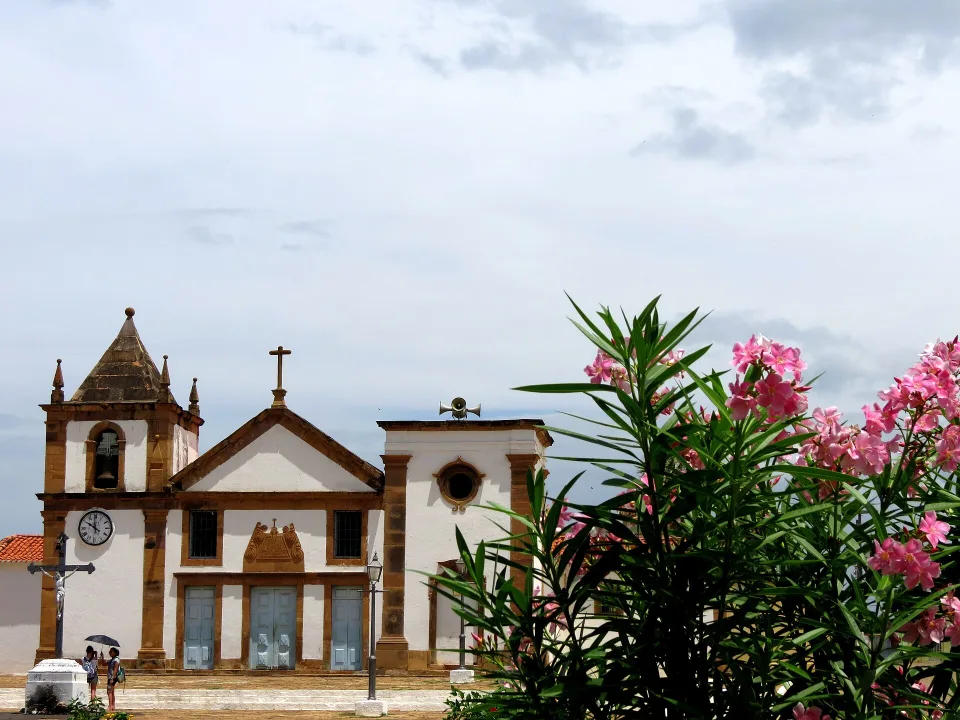
Nossa Senhora das Vitórias Cathedral in historic Oeiras, Piauí
7.02°S · 42.13°W History
Photo: GLandovsky · CC BY-SA 4.0

Why this place

Oeiras & Vale do Canindé

Oeiras grew as Vila da Mocha and became the first capital of Piauí. Its churches, historic buildings, sacred-art heritage and strong Holy Week traditions make it one of the state’s most important cultural destinations, while the surrounding Vale do Canindé adds a distinctly interior landscape and slower rhythm.

Start at Praça das Vitórias. The church at the heart of Oeiras dates to 1733, while the city's capital role ended in the nineteenth century when government moved to Teresina. That gives the town a different rhythm from Brazil's larger heritage showcases: some buildings are still homes, the Matriz remains a functioning church and the square is both a gathering place and a stop on a heritage walk. Look at the restored façades and the streets connecting them rather than treating every building as a ticketed museum.

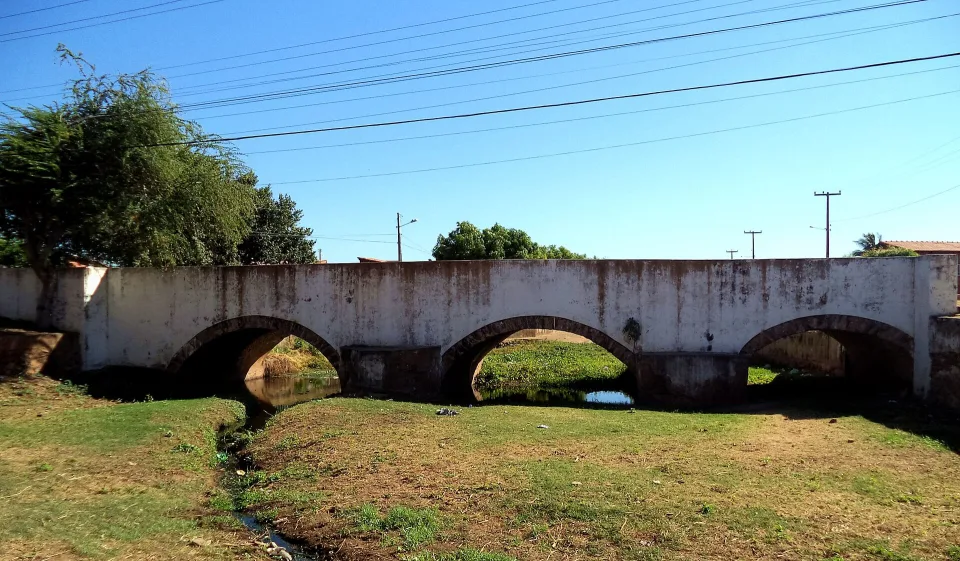
The 1846 Ponte Grande crosses the Mocha watercourse, an important part of Oeiras's built history and a good second chapter after the square. Cultural spaces such as Solar das 12 Janelas and sacred-art collections have their own programmes and access rules, so verify what is actually open. During Holy Week, the annual Bom Jesus dos Passos procession reshapes the centre; outside that period, do not expect the small Passos chapels to be accessible. The Vale do Canindé is the wider setting, not one officially marked walking trail.
At a glance

Brasilll scorecard

The same 0–10 scale is used across the catalogue, so strengths and compromises stay comparable.

These are editorial fit ratings, not visitor-review averages or safety guarantees. A high score describes a strength for a particular kind of trip. How to read these scores →

Culture9/10
Food7/10
History10/10
Nightlife2/10
Beach1/10
Nature6/10
Wildlife4/10
Adventure4/10
Local feel10/10
Photography8/10
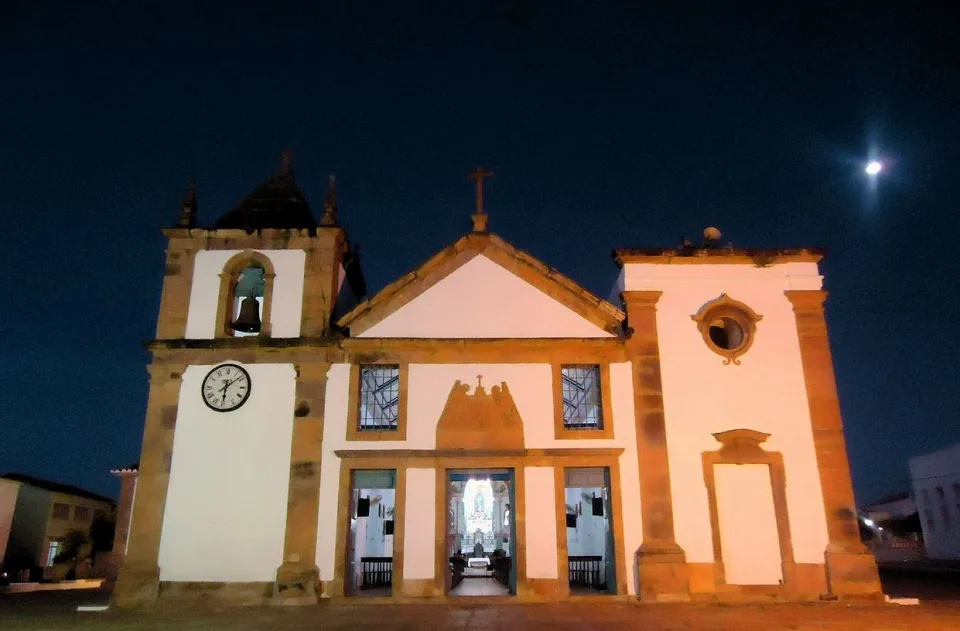
Verified original photograph of Igreja Matriz de Nossa Senhora das Vitórias in historic Oeiras, Piauí
Photo: Rafael Brandão / Wikimedia Commons · CC BY-SA 4.0 · Cropped for layout

Where Piauí's story began

Praça das Vitórias: a town built around its church

The Matriz de Nossa Senhora da Vitória anchors the historic centre of Oeiras, the former capital of Piauí. This original photograph shows the eighteenth-century church in its actual urban setting. The square is for everyday life as well as religious celebrations; the church remains an active place of worship, not an attraction with guaranteed museum hours. Come in the softer light, look beyond the façade to the surrounding streets and check whether an interior visit fits around services.

Compare the historic quarter, museum spaces and religious calendar

Where to stay

Four different Oeiras experiences: original capital, bridge, art and faith procession

Four Oeiras experiences are best understood separately: the Matriz and Praça das Vitórias, the historic Ponte Grande, independently operated cultural collections and the seasonal Bom Jesus dos Passos procession. Protected architecture doesn't mean every doorway is open, or that the town is a UNESCO World Heritage site.

Praça das Vitórias and Matriz Nossa Senhora da Vitória

According to IPHAN, Oeiras was Piauí's first capital until 1852; the Matriz was built in 1733. Explore the square and church history without assuming the active place of worship has permanent museum-style visiting hours.

Ponte Grande and the Mocha stream

IPHAN identifies the 1846 Ponte Grande over the Mocha watercourse as an early protected landmark. Combine it with a short historic-street walk; the broader Vale do Canindé is a geographic context, not a single official signed walking trail.

Solar das 12 Janelas and sacred-art collections

The municipality calls the restored Solar a cultural venue with exhibitions and events, while other historic buildings host religious collections. Check the current operator, exhibition and opening of each site instead of assuming one pass or shared timetable.

Bom Jesus dos Passos route and temporary chapels

The city reports that Passos chapels open especially for the yearly pilgrimage, not all year. The procession took place in April 2025 and on March 27 in 2026, so its calendar moves with Holy Week rather than a fixed date.

Travel smarter

Three checks before a trip to the Capital da Fé

A few practical decisions before departure can save time and make the experience easier on the ground.

01

Does the Passos procession fall on the same date each year?

No. The municipal 2025 account and Piauí state government's 2026 March 27 announcement confirm different annual dates. Check the specific year's Holy Week programme.

02

Can all procession chapels be visited any day?

Not necessarily. Oeiras municipality says small Passos chapels open specially for the pilgrimage. They are not permanent museums with assured weekday hours.

03

Does historic protection make the whole town UNESCO World Heritage?

No. The protected built ensemble belongs to Brazilian national heritage frameworks; do not confuse that designation with UNESCO inscription.

Weather & timing

When to go

Season matters. These monthly scores combine our current baseline for climate, access and overall travel fit.

Monthly ratings are broad planning guidance, not a weather forecast or confirmation that every activity is operating.

Jan6/10
Feb6/10
Mar7/10
Apr8/10
May8/10
Jun9/10
Jul10/10
Aug10/10
Sep9/10
Oct8/10
Nov7/10
Dec6/10

Build your route

Three days for heritage without promising a year-round Holy Week

Build your days around the centre's real opening hours and the heat. Begin with the Matriz and square, give Ponte Grande and an operating cultural venue their own outing, then use the third day for an event only if the published religious calendar matches your visit.

Day 1

Understand the first capital

Walk Praça das Vitórias and visit the historic Matriz if accessible around services; allow time for shaded colonial streets and regional food rather than a rushed checklist.

Day 2

Explore the bridge and a confirmed cultural venue

Visit Ponte Grande and Solar das 12 Janelas if it has public programming, choosing a separately open sacred-art collection. Respect churches' working schedules and the hot inland afternoon.

Day 3

Attend a scheduled rite or take a slow departure

If Holy Week celebrations coincide, use the verified municipal schedule and respect participants. Otherwise explore ordinary town life and travel onwards without expecting temporary Passos chapels to open.

Verified original photograph of historic stone Ponte Grande over the Mocha stream in Oeiras, Piauí
Photo: GLandovsky / Wikimedia Commons · CC BY-SA 4.0 · Cropped for layout

A quieter piece of the old capital

Ponte Grande: read the landscape beyond the church

Built across the Mocha watercourse in 1846, the stone-built Ponte Grande is a very different kind of Oeiras landmark. This independently licensed photograph shows the actual bridge, not a generic colonial street. Its presence connects the preserved centre with the wider Vale do Canindé countryside, but that valley is a geographic region rather than one signposted tourist trail. Combine the bridge with a slow historic walk and time for a shaded stop instead of rushing between monuments in the inland heat.

See the relaxed three-day heritage itinerary

Travel styles

Who does it suit?

These comparative scores show who is likely to enjoy this destination most—and where expectations may need adjusting.

Repeat Brazil travellers10/10
Slow travel10/10
Backpackers8/10
Seniors8/10
Couples8/10
Solo8/10
Families with teenagers7/10
Friends7/10

Brasilll

How long should you stay?

We recommend 2–3 nights as a starting point. Include the arrival and departure journeys in your plan, then adjust the stay around the local outings you choose.

Two nights is a comfortable amount of time for a deliberate exploration of the old centre, a bridge walk and one or two confirmed cultural visits. The three-day itinerary below leaves a final morning for a religious event if it happens to coincide or a relaxed departure if it does not. A one-night stop can work for the square and Matriz, but is less satisfying if you want to understand the quieter streets and visit collections with limited hours.

Stay within easy reach of the historic centre if walking between landmarks matters to you, and schedule outdoor sightseeing early or toward late afternoon; the inland heat can make a midday checklist exhausting. Bring water, sun protection and shoes for uneven pavements. If you visit during Holy Week, expect a different pace, possible accommodation demand and streets affected by processions. Check the actual year's published programme and respect worshippers; it is a living tradition, not an event staged every weekend.

Found an outdated price, route or detail? Send the page URL, the information that needs changing and a supporting source if available.

Report an error →

Does this sound like your Brazil?

Use Find Your Brasil to compare this destination with the rest of the country using your own priorities.

Plan Brazil

Getting there & moving on

Use these rounded door-to-door estimates to judge the travel day. Confirm the actual service and departure time before booking.

Arrival base

Oeiras

Typical access Road

Choose accommodation for a historic-centre visit, then plan any wider Canindé Valley road stages separately. Keep arrival time distinct from the time needed inside individual buildings.

Good onward connections

These are selected options for your next stop. Confirm operating days, connections and total travel time for your dates.