5 nights · default stay

Brazil · History · Culture · Nature

Serra da Capivara

Prehistoric rock art, sandstone canyons and the Caatinga make Serra da Capivara extraordinary. Book a local guide and explore beyond the famous paintings.

Recommended stay4–5 nights
Ease of travel5/10
First Brazil trip7/10
Infrastructure6/10
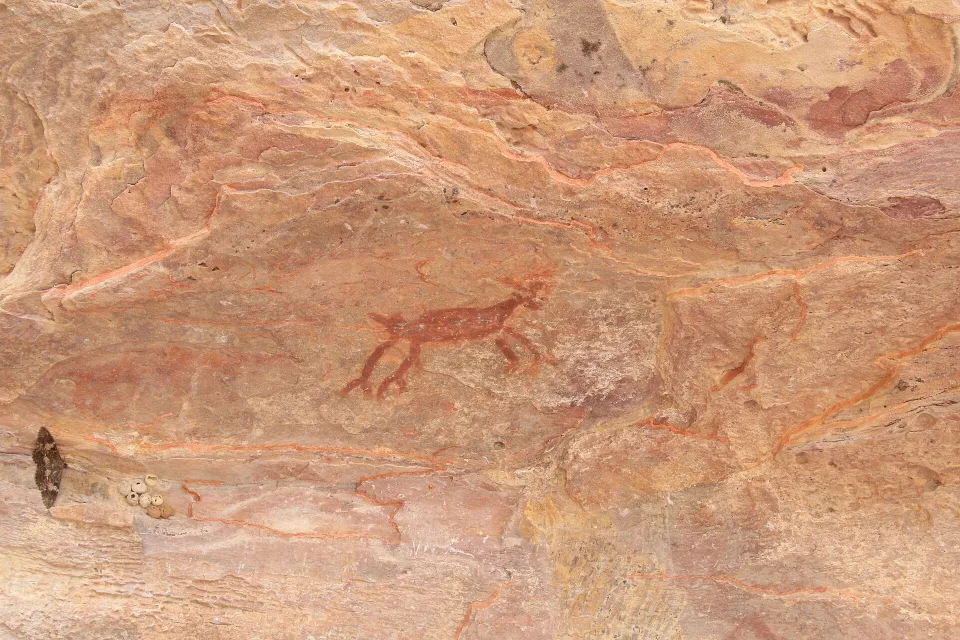
Prehistoric rock art in Serra da Capivara National Park, Piauí
8.75°S · 42.55°W History
Photo: Willame Carvalho e Silva · CC BY-SA 3.0

Why this place

Serra da Capivara

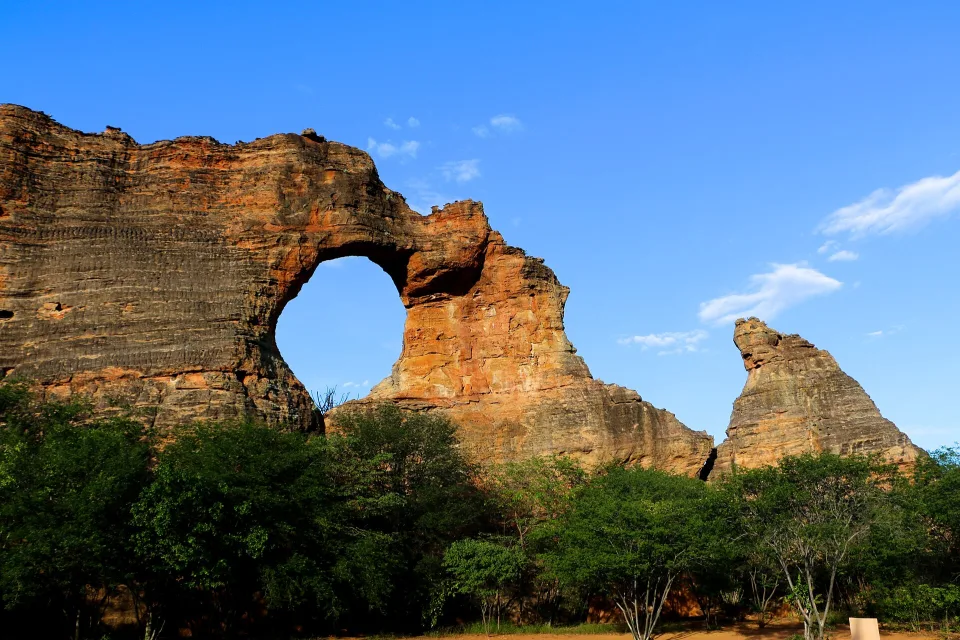
Serra da Capivara National Park combines an extraordinary concentration of archaeological sites with sandstone canyons, Caatinga vegetation, viewpoints and museums around São Raimundo Nonato and Coronel José Dias. UNESCO has recognised the park as World Heritage since 1991.

The scale matters more than ticking off one famous shelter. At Boqueirão da Pedra Furada the landscape opens into cliffs and deep valleys, while the archaeological evidence stretches across several separate guided circuits. The park's UNESCO recognition is rooted in that broad cultural landscape, not a claim that every painting has one universally agreed age. Give your guide time to explain what is known, what researchers still debate and why visitors must keep their distance from the pigment and the rock faces.

Serra da Capivara is also a journey into the Caatinga. A landscape that looks brown and quiet during a dry spell can change dramatically with seasonal rain, and the exposed rock makes midday walks hot. Museums add another layer: the Museu do Homem Americano in São Raimundo Nonato focuses on the archaeological research, while the Museu da Natureza near Coronel José Dias explores natural history, prehistoric environments and biodiversity. They are separate institutions with their own admission and opening arrangements; neither replaces a guided day inside the park.
The Brasilll take

Serra da Capivara is one of Brazil’s most important destinations and one of its least conventional first-trip choices.

The reason to go is not one famous rock painting. It is the scale of the archaeological landscape: hundreds of visitable sites, vast sandstone formations, Caatinga ecology and museums that connect the evidence with the long human story of the region.

Why the park is exceptional

01

The archaeology is landscape-scale

Rock shelters, paintings and excavation sites are spread through multiple circuits. A guide helps connect them into a coherent story rather than a sequence of isolated panels.

02

The Caatinga is part of the experience

Canyons, dry forest, rock gardens and seasonal vegetation make the park visually strong even before you reach an archaeological site.

03

The museums complete the visit

Museu do Homem Americano and Museu da Natureza give context that is difficult to build from the outdoor sites alone.

Before you book

Serra da Capivara: park entry is free, the conductor is compulsory

The UNESCO-listed archaeology landscape demands arranged transport and registered local interpretation. Some circuits are accessible; others are steep and hot.

01

Book a registered conductor even though entry is free

ICMBio currently charges no general park admission but requires a registered local conductor for all programmes, with guiding paid separately. The official site lists accredited conductors and says groups are limited to eight people per conductor. Museums, special evening lighting and private transport are separate arrangements; confirm them before arriving.

02

Arrive through a town with a real park transfer

São Raimundo Nonato and Coronel José Dias are possible bases, but ICMBio says there is no regular public transport from these towns to the park entrances. Check road transport and any available flights to the region rather than assuming scheduled São Raimundo Nonato flights currently operate. Arrange vehicle, park gate and guide meeting point for each circuit.

03

Ask about accessible archaeological circuits, not generic accessibility

ICMBio reports 17 sites adapted for wheelchair visitors and available adaptive equipment, but many trails still have stairs, uneven stone and hot exposed stretches. Ask the accredited conductor for a specific accessible set of shelters and viewpoints, toilet and transport information and early departures in the hotter months.

At a glance

Brasilll scorecard

The same 0–10 scale is used across the catalogue, so strengths and compromises stay comparable.

These are editorial fit ratings, not visitor-review averages or safety guarantees. A high score describes a strength for a particular kind of trip. How to read these scores →

Culture10/10
Food6/10
History10/10
Nightlife2/10
Beach0/10
Nature9/10
Wildlife8/10
Adventure8/10
Local feel9/10
Photography10/10
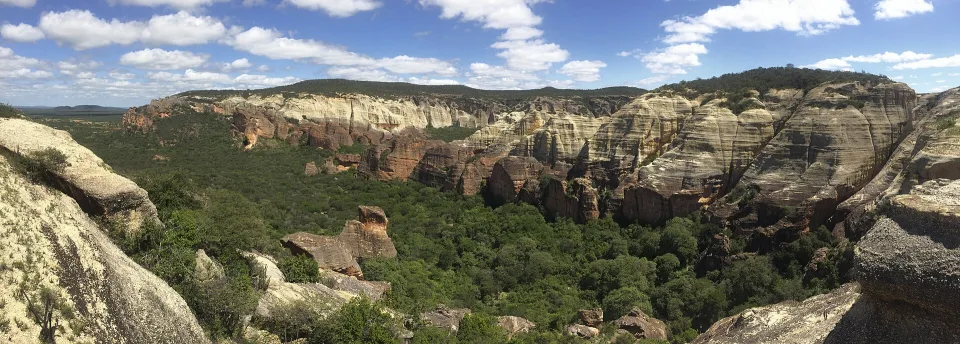
Wide original panorama of the sandstone valley of Boqueirão da Pedra Furada in Serra da Capivara, Piauí
Photo: Tiago Falótico / Wikimedia Commons · CC BY-SA 4.0 · Cropped for layout

The landscape behind the rock art

Boqueirão da Pedra Furada: a canyon, not just a painting

Tiago Falótico's original 2014 panoramic photograph captures the sandstone valley around Boqueirão da Pedra Furada. The scenery explains why a visit is more than a single famous prehistoric drawing: caves, cliffs, viewpoints and fragile archaeological shelters sit in the same landscape. A locally accredited conductor is required even for apparently simple circuits. Ask about distance, uneven steps, access for your group and the season's heat, then stay on marked routes and never touch the paintings.

Compare the park's different archaeological areas

Where to stay

Four anchors for planning the park

Base yourself in São Raimundo Nonato or Coronel José Dias according to your actual circuit. Boqueirão da Pedra Furada is the famous introduction; Serra Branca and other areas offer a genuinely different second day.

São Raimundo Nonato

Main service base with accommodation and access to the museums and park logistics.

Boqueirão da Pedra Furada

Iconic archaeological and geological circuit containing some of the best-known sites and viewpoints.

Serra Branca & northern circuits

Additional archaeological landscapes that reward travellers staying beyond a quick one-day visit.

Coronel José Dias

Useful alternative base close to key circuits and community heritage around the park.

Travel smarter

The park rewards planning

ICMBio states that park admission is free but accredited local accompaniment is mandatory and paid. A municipal fee was disputed in 2026; check the latest official access advice and book transport to the park gates.

01

Accredited conductors are required

Visitors enter the circuits with registered local conductors. This is part of conservation and also improves interpretation of sites that are easy to underestimate without context.

02

There is no easy public transfer to the gates

Gateway towns do not have regular public transport to the park entrances, so arrange a driver, guide transport or your own suitable vehicle.

03

Accessibility is better than the remoteness suggests

ICMBio lists multiple archaeological sites adapted for wheelchair access, although the park as a whole still includes uneven terrain, heat and longer outdoor circuits.

Weather & timing

When to go

Season matters. These monthly scores combine our current baseline for climate, access and overall travel fit.

Monthly ratings are broad planning guidance, not a weather forecast or confirmation that every activity is operating.

Jan8/10
Feb8/10
Mar9/10
Apr9/10
May10/10
Jun10/10
Jul9/10
Aug8/10
Sep7/10
Oct6/10
Nov6/10
Dec7/10

Build your route

A strong first visit in four days

This four-day sequence separates museum context, the Pedra Furada landscape and a second guided archaeological circuit. Do not squeeze remote sites into a day with a long incoming transfer.

Day 1

Museum and orientation

Arrive in São Raimundo Nonato or Coronel José Dias and arrange the next days with a conductor registered with Serra da Capivara National Park. ICMBio says entrance itself is currently free but local conductor services are mandatory and paid separately, with no regular public bus from either gateway town to the park entrances. Start with Museu do Homem Americano or Museu da Natureza if open, and confirm the museum's separate visiting conditions.

Day 2

Pedra Furada circuits

Dedicate a full guided day to Boqueirão da Pedra Furada, the surrounding rock shelters and viewpoints. These are archaeological sites protected inside the national park, not walls to touch or a self-guided photo stop. Agree with your conductor on the accessible route, driving distances, water and any stair-heavy sections; a night-illuminated Pedra Furada visit, if offered, requires advance arrangements rather than a spontaneous evening arrival.

Day 3

A second archaeological circuit

Choose a distinct second park circuit with your registered conductor, such as Desfiladeiro da Capivara or Serra Branca, according to heat, transport and available time. ICMBio reports a range from short walks to demanding four-to-six-hour hikes and several wheelchair-adapted archaeological sites. Ask for a genuinely suitable plan for older travellers or wheelchair users instead of assuming every viewpoint and canyon is accessible.

Day 4

Landscape and local history

Spend the fourth day on another guided viewpoint or short archaeological circuit, with time to learn about the Caatinga and the communities around Coronel José Dias. ICMBio describes the Centro de Memórias dos Povos da Serra da Capivara as a different experience from the rock shelters, and museum opening days must be checked. In the hotter August–November period, schedule exposed walks early and protect the return drive.

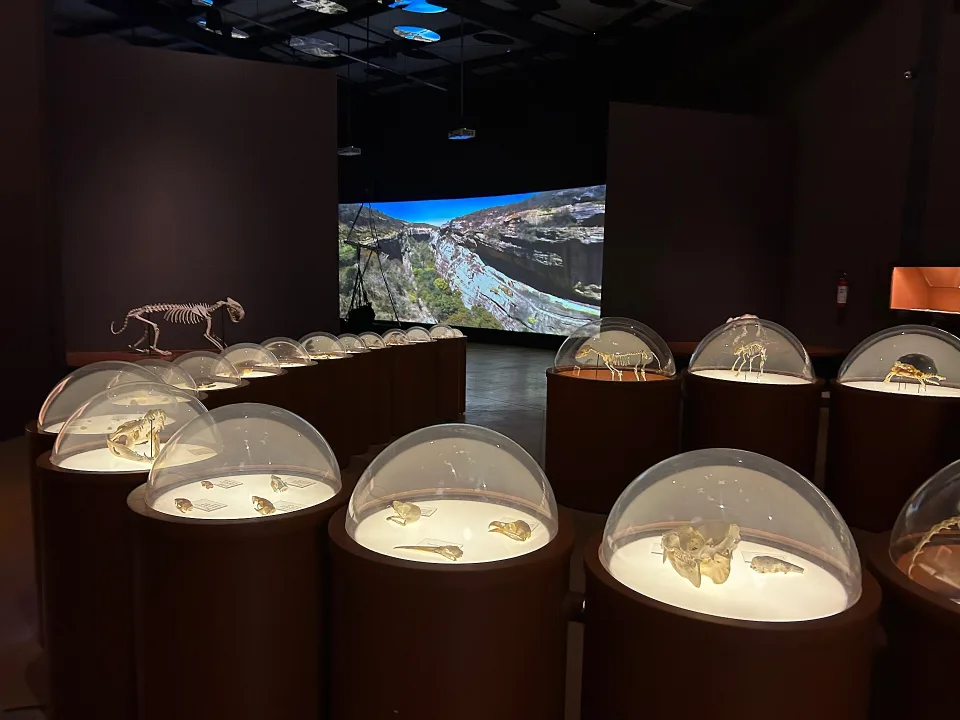
Original photograph taken at the Museu da Natureza natural-history museum near Serra da Capivara, Piauí
Photo: Parpan05 / Wikimedia Commons · CC BY 4.0 · Cropped for layout

The story continues indoors

Museu da Natureza: the Caatinga has a longer history

An original December 2023 photograph taken at the Museu da Natureza near Coronel José Dias offers a different view of the Serra da Capivara visit. Instead of treating the park only as archaeology, the museum explains deep time, changing environments and the animal and plant life of the region. It is not the same as the Museu do Homem Americano in São Raimundo Nonato: visit both if your itinerary allows, but confirm each museum's opening days, current ticket prices and whether exhibitions are accessible before travelling.

See how the museums fit into four days

Travel styles

Who does it suit?

These comparative scores show who is likely to enjoy this destination most—and where expectations may need adjusting.

Repeat Brazil travellers10/10
Families with teenagers10/10
Slow travel9/10
Active travellers9/10
Solo8/10
Friends8/10
Couples8/10
Seniors7/10

Brasilll

How long should you stay?

Four to five nights is our recommendation. Two nights badly undersell the scale; four lets you combine museums and at least two substantial park days without spending the whole trip in transit.

Four or five nights is a comfortable first visit, especially if you want two different archaeological circuits and both museums. São Raimundo Nonato is the larger service base; Coronel José Dias can be convenient for some eastern park gates. Ask your local conductor to recommend the base based on the circuits you actually booked. ICMBio says there is no scheduled public transport from either town to the gates, so arrange the car or transfer as well as the guide. Do not assume the regional airport has a usable scheduled flight on your date.

Park entrance itself is currently free under ICMBio's published guidance, but visits require a registered local conductor paid separately. A 2026 dispute over a municipal environmental fee in Coronel José Dias led the federal public prosecutor to recommend that access to the federal park not be blocked or made conditional on municipal payment; ask the park and your driver for the latest situation rather than treating the fee as a national-park ticket. Museums may charge admission independently. Bring drinking water, sun protection and suitable footwear, and confirm any proposed illuminated Pedra Furada visit in advance.

Found an outdated price, route or detail? Send the page URL, the information that needs changing and a supporting source if available.

Report an error →

Does this sound like your Brazil?

Use Find Your Brasil to compare this destination with the rest of the country using your own priorities.

Plan Brazil

Getting there & moving on

Use these rounded door-to-door estimates to judge the travel day. Confirm the actual service and departure time before booking.

Main planning gateway

Fortaleza

Typical access Flight · Road
Gateway transfer Flight + road transfer · ~8 h Limited connections · Major travel day

Start by checking arrivals into Fortaleza, then confirm the onward transfer to this destination. This combines a flight with an onward transfer, so leave enough margin between the stages. Confirm the operating pattern before fixing the travel day, especially outside peak periods.

Good onward connections

These are selected options for your next stop. Confirm operating days, connections and total travel time for your dates.