4 nights · default stay

Brazil · Border region · Culture · Nature

Guajará-Mirim & Mamoré

Explore Guajará-Mirim’s Mamoré riverfront, historic railway and lively Bolivia border. Crossings and heritage visits take planning.

Recommended stay3–4 nights
Ease of travel5/10
First Brazil trip4/10
Infrastructure5/10
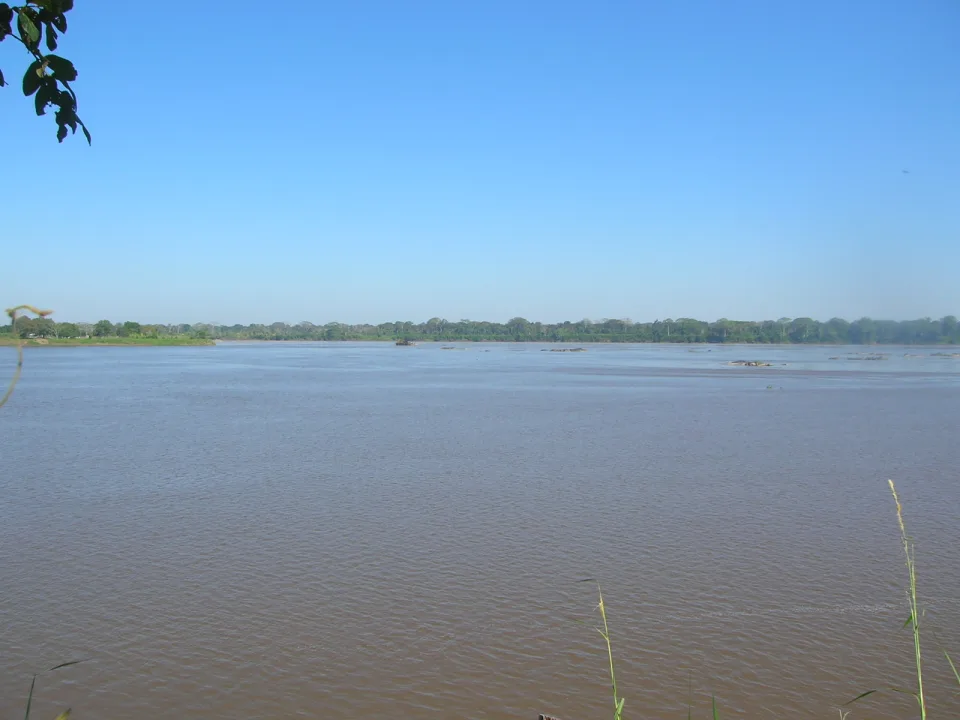
Historic panorama of Guajará-Mirim on the Mamoré in Rondônia
10.78°S · 65.34°W Border region
Photo: Makurap · CC BY-SA 4.0

Why this place

Guajará-Mirim & Mamoré

Guajará-Mirim sits on the Mamoré opposite Bolivia and marks the historic western end of the Madeira-Mamoré Railway story. Its mix of river life, frontier culture, indigenous and rubber-cycle history, protected areas and the possibility of crossing to Guayaramerín gives it a distinctive identity within Rondônia.

Guajará-Mirim sits on the Brazilian side of the Mamoré, facing Guayaramerín in Bolivia. It is a place to understand the western Amazon as a border region, not just a stop on a route from Porto Velho. The river shapes everyday trade and travel, while markets, local food and the city's diverse cultural histories reward a slow visit. It also explains why a boat visible on the waterfront is not necessarily a tourist excursion: crossing to the Bolivian bank involves current immigration and customs requirements, as well as a confirmed operator and a plan for returning.

The town developed around rubber-era trade and the Madeira-Mamoré Railway, whose 366 km historical line was inaugurated in 1912. The Guajará-Mirim railway terminus remains an important heritage landmark, but normal passenger trains do not run all the way to Porto Velho. In January 2026 the municipality discussed preparatory works for a history museum at the station; do not treat the proposal as an open visitor attraction until an actual inauguration is confirmed. If railway history matters to you, Estação Iata, around 27 km outside the city, deserves a separate outing—but its 2022 restoration announcement does not establish today's staffed hours.
At a glance

Brasilll scorecard

The same 0–10 scale is used across the catalogue, so strengths and compromises stay comparable.

These are editorial fit ratings, not visitor-review averages or safety guarantees. A high score describes a strength for a particular kind of trip. How to read these scores →

Culture9/10
Food7/10
History9/10
Nightlife3/10
Beach1/10
Nature9/10
Wildlife8/10
Adventure7/10
Local feel10/10
Photography9/10
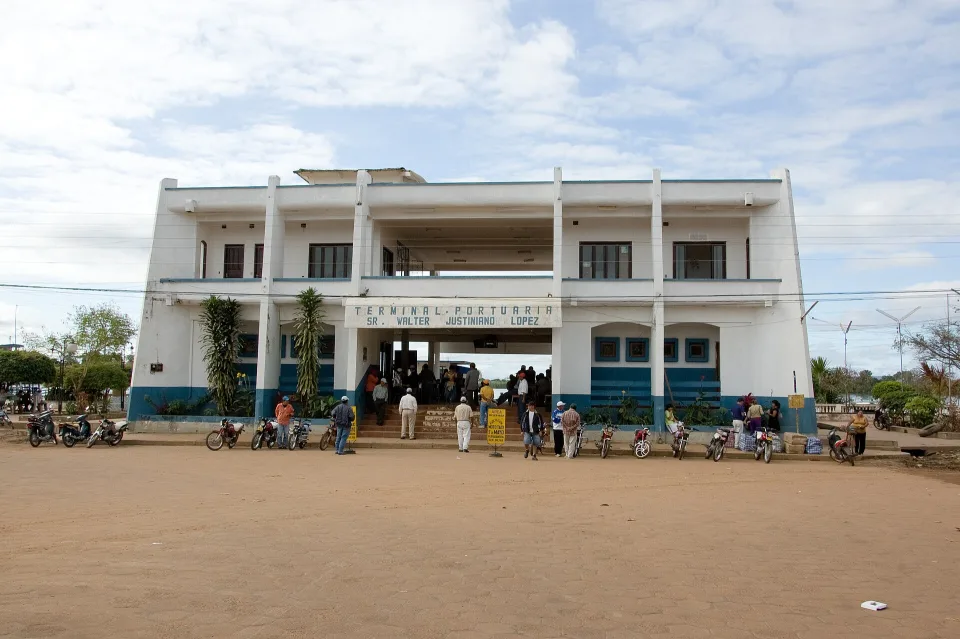
Original 2012 photograph of the passenger port at Guayaramerín in Bolivia, across the Mamoré River from Guajará-Mirim
Photo: Filzstift / Wikimedia Commons · CC BY-SA 3.0 · Cropped for layout

Two countries, one river

Across the Mamoré: why the border is a separate journey

This 2012 original photograph shows the passenger terminal in Guayaramerín on the Bolivian shore, facing Guajará-Mirim across the Mamoré. It illustrates an international crossing, not an ordinary city ferry. If you want to travel across, confirm the current boat operator, opening hours, passport or ID rules, immigration and customs formalities for your nationality, and the arrangements for returning to Brazil. Border procedures and the terminal may have changed since the picture was taken.

Compare the riverfront, railway and crossing before planning

Where to stay

Four different Mamoré border choices: town, historic rail, Iata and the Bolivia crossing

Four different decisions shape this border stop: Guajará-Mirim's Mamoré waterfront, the old Madeira-Mamoré terminus, separate Estação Iata, and any organised Bolivian crossing or longer nature expedition. Their opening times, transport and requirements should never be treated as interchangeable.

Guajará-Mirim riverside — a Brazilian border town facing Guayaramerín

The municipal history places Guajará-Mirim beside the Rio Mamoré across from Bolivia's Guayaramerín. The riverfront and local markets are good ways to understand frontier life, but crossing a national boundary is a separate travel decision with current immigration, boat and customs rules; it is not an automatic domestic ferry ride.

Old Madeira-Mamoré railway terminus — heritage, not a working 366 km train

The city explains that the railway was inaugurated in 1912 and once linked Guajará-Mirim with Porto Velho. IPHAN dates its construction to 1907–1912 and later shutdown. In January 2026 the municipality was still preparing work on a planned historical museum at the railway buildings: do not promise an open museum or regular passenger trains.

Estação Iata — restored railway visitor stop outside the centre

Rondônia's government identifies the former Iata station as a restored tourist-information space approximately 27 km from Guajará-Mirim. The 2022 opening announcement is not a guarantee of daily staffed museum hours in 2026, so check the current operator and road access before setting out.

Guaporé nature and Forte Príncipe da Beira — distant regional excursions

The municipality describes nearby Amazon protected landscapes, while IPHAN places Forte Príncipe da Beira on the wider Guaporé frontier. These should not be bundled as an easy walking circuit from Guajará-Mirim. Community tourism, waterways and protected lands need separate logistics and permitted operators.

Travel smarter

Three Guajará-Mirim checks before planning a frontier detour

A few practical decisions before departure can save time and make the experience easier on the ground.

01

Is a new railway museum already open because works were announced?

No such conclusion follows. The municipality's January 2026 notice described preparations and structural assessment for a future historical museum. Obtain an actual visitor opening announcement before promising admission.

02

Can I ride the original Madeira-Mamoré railway to Porto Velho?

No. The historic 366 km line has not resumed normal passenger operations. A heritage train event at the Porto Velho end is not a through-service to this border terminus.

03

Can tourists cross to Bolivia without checking documents and boat conditions?

Do not assume so. Passport or ID eligibility depends on nationality and border rules, and river operations may change with conditions. Verify official current immigration, customs and boat-operator guidance before attempting the crossing.

Weather & timing

When to go

Season matters. These monthly scores combine our current baseline for climate, access and overall travel fit.

Monthly ratings are broad planning guidance, not a weather forecast or confirmation that every activity is operating.

Jan6/10
Feb6/10
Mar6/10
Apr7/10
May8/10
Jun9/10
Jul10/10
Aug9/10
Sep8/10
Oct7/10
Nov6/10
Dec6/10

Build your route

Three days for a border city without inventing railway or boat schedules

Begin with the riverfront, see the railway legacy on a second day and reserve a third for the international crossing only if both entry and return conditions are verified. If the proposed railway museum is not yet open, an exterior heritage walk and a confirmed Iata visit make more sense than a promised indoor tour.

Day 1

Arrive in Guajará-Mirim and explore the Mamoré waterfront

Settle in, explore town markets and the river viewpoint, and confirm which border services are actually operating. If considering Bolivia, ask current immigration and customs authorities about the documents needed for every traveller.

Day 2

Investigate the railway buildings and the Iata station

Start with the former rail terminus from the exterior and ask whether the planned historical museum is open; then drive to Iata only if its visitor space and transport are confirmed. A restored station does not mean the line runs trains to Porto Velho.

Day 3

Choose a confirmed cross-border experience or local slow day

Use an authorised ferry/boat crossing only if all border entry, vessel and return conditions are known. Otherwise choose a locally supported historical or riverfront visit and leave adequate time for onward overland travel.

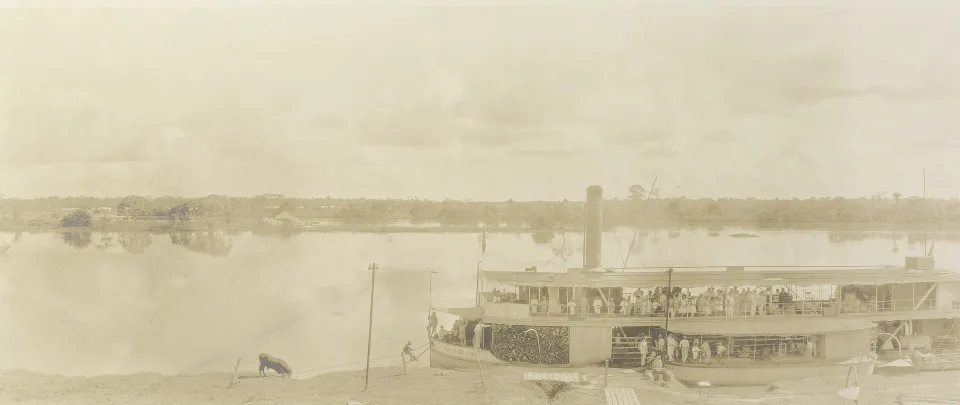
Historic panorama of the Guaporé-Rubber Company river port in Guajará-Mirim, Rondônia, photographed around 1929–1930
Photo: B. Rondon / Acervo Arquivo Nacional · Public domain · Cropped for layout

History behind the riverfront

The rubber-era port: Guajará-Mirim before today's border travel

This panoramic archival photograph, taken around 1929–1930 by B. Rondon and preserved in Brazil's Arquivo Nacional, shows the Guaporé-Rubber Company port at Guajará-Mirim. It is a historical record, not a present-day scene or a working tourist terminal. The town's rubber-era commerce grew alongside the Madeira-Mamoré Railway, inaugurated in 1912, whose old local terminus can be viewed as heritage. Confirm whether the proposed railway museum has actually opened; railway tracks do not mean a passenger train runs to Porto Velho.

Use the three-day historical and riverfront itinerary

Travel styles

Who does it suit?

These comparative scores show who is likely to enjoy this destination most—and where expectations may need adjusting.

Repeat Brazil travellers10/10
Slow travel10/10
Backpackers9/10
Families with teenagers8/10
Friends8/10
Active travellers8/10
Couples8/10
Solo8/10

Brasilll

How long should you stay?

We recommend 3–4 nights as a starting point. Include the arrival and departure journeys in your plan, then adjust the stay around the local outings you choose.

Three or four nights make Guajará-Mirim more satisfying than a hurried roadside stop. Give the first day to the Mamoré waterfront and town, a second to the former railway buildings and an Iata visit if access is confirmed, then keep time for a cross-border excursion only if paperwork and boats are in order. A longer stay can work if you have arranged community-led nature visits, but do not assume remote protected areas or the faraway Forte Príncipe da Beira are simple city attractions.

Stay close to the centre or waterfront if you prefer to walk between markets, restaurants and the old railway area. For Guayaramerín, check passport/ID eligibility and any applicable immigration or customs steps with official Brazilian and Bolivian sources; then verify boat departure, safety equipment, availability of return crossings and payment details. Do not leave a border crossing until just before an onward bus or flight. For Iata and regional visits, allow independent road time and confirm that the site is actually admitting visitors rather than relying on an old tourism notice.

Found an outdated price, route or detail? Send the page URL, the information that needs changing and a supporting source if available.

Report an error →

Does this sound like your Brazil?

Use Find Your Brasil to compare this destination with the rest of the country using your own priorities.

Plan Brazil

Getting there & moving on

Use these rounded door-to-door estimates to judge the travel day. Confirm the actual service and departure time before booking.

Arrival base

Guajará-Mirim

Typical access Road

Arrange the road arrival and accommodation in Guajará-Mirim before adding river activities. The town is a separate border-region stage rather than a short Porto Velho city excursion.

Good onward connections

These are selected options for your next stop. Confirm operating days, connections and total travel time for your dates.