4 nights · default stay

Brazil · Nature · Nature gateway · Culture

Quixadá & Sertão Central

Granite monoliths rise above a historic reservoir. Quixadá rewards a closer look.

Recommended stay3–4 nights
Ease of travel6/10
First Brazil trip6/10
Infrastructure6/10
Granite monoliths around Quixadá in Ceará
4.97°S · 39.02°W Nature
Photo: JECIVANDO · CC BY-SA 3.0

Why this place

Quixadá & Sertão Central

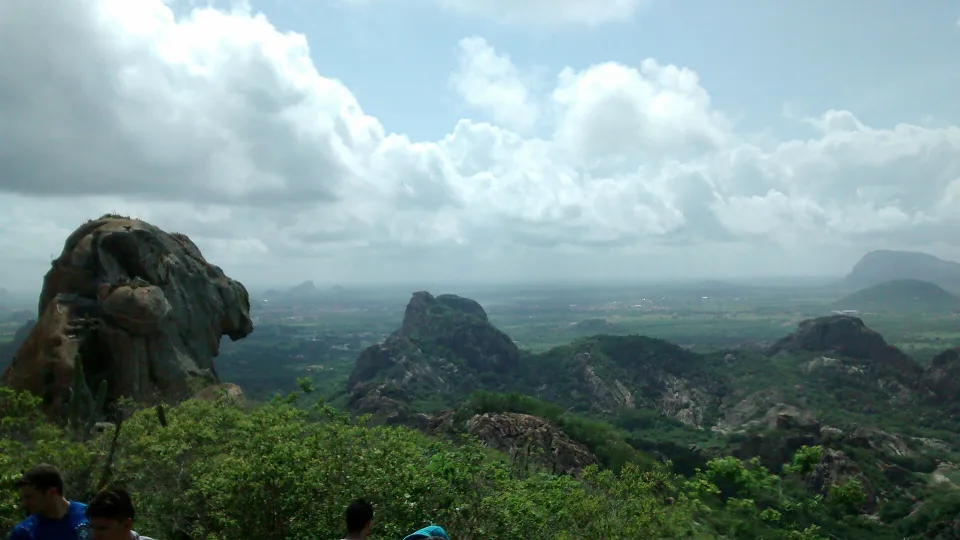
Quixadá rises from Ceará’s Sertão Central among enormous granite monoliths, the historic Açude do Cedro and landmarks tied to writer Rachel de Queiroz. The terrain has also made the region a recognised base for climbing, hiking, rappelling and free flight.

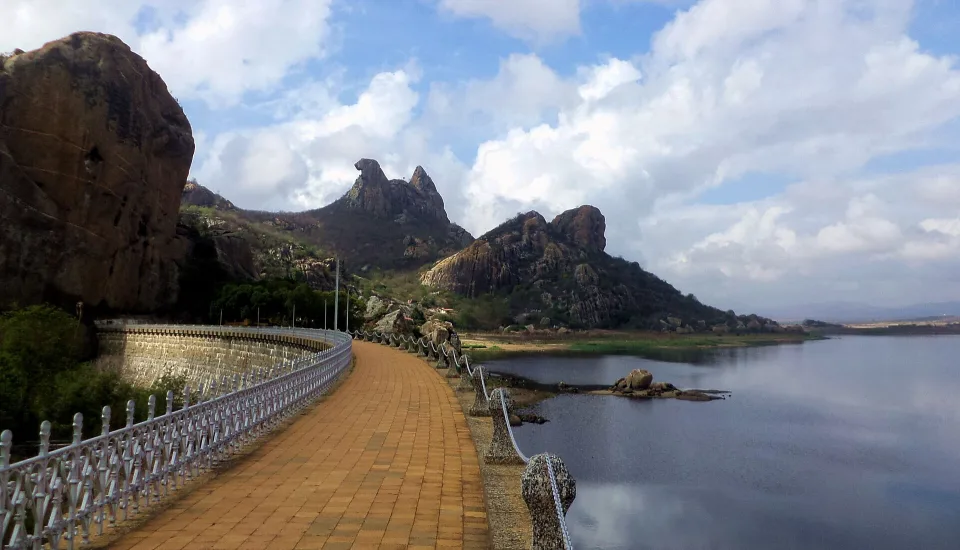
Quixadá's granite monoliths rise above Ceará's Sertão Central. The protected geological landscape covers several rocks and access routes, not one signed viewpoint. Açude do Cedro adds historic water engineering to the scenery.
At a glance

Brasilll scorecard

The same 0–10 scale is used across the catalogue, so strengths and compromises stay comparable.

These are editorial fit ratings, not visitor-review averages or safety guarantees. A high score describes a strength for a particular kind of trip. How to read these scores →

Culture8/10
Food7/10
History8/10
Nightlife3/10
Beach1/10
Nature9/10
Wildlife6/10
Adventure10/10
Local feel10/10
Photography10/10
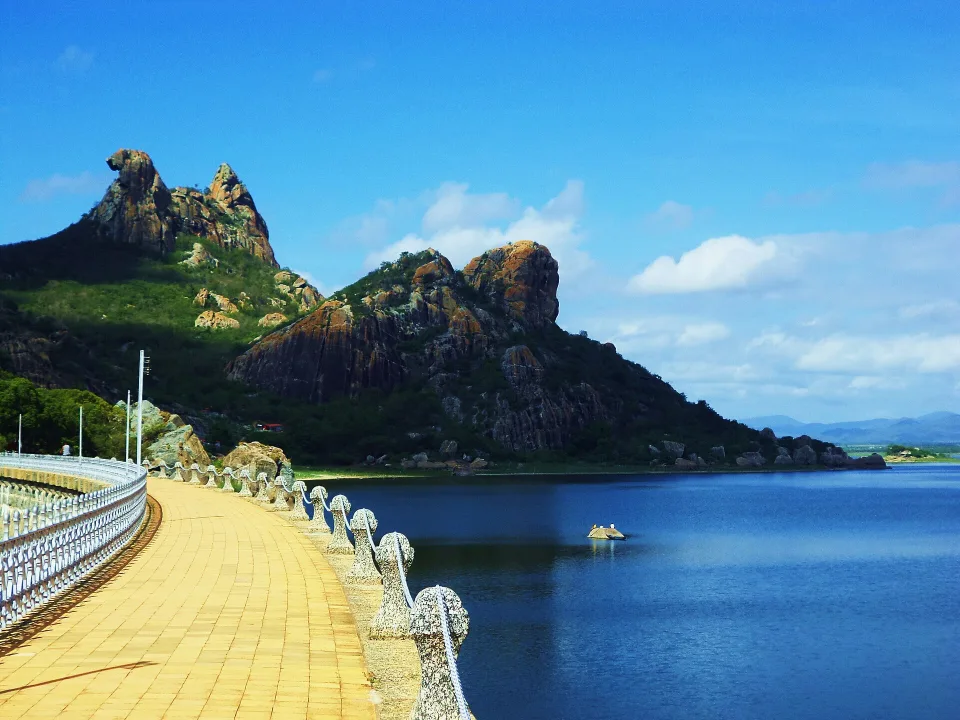
Pedra da Galinha Choca granite monolith over Açude do Cedro in Quixadá
Photo: GLandovsky / Wikimedia Commons · CC BY-SA 3.0 · Cropped for layout

Granite in the Sertão

Pedra da Galinha Choca above Cedro

The recognisable granite form stands near the Cedro reservoir amid Quixadá's protected monolith landscape. For a closer trail, confirm a legal access point and be prepared for exposed rock and powerful sunlight. Looking at the formation is different from an authorised climb.

See the practical trip plan

Where to stay

Four different Quixadá outings: dam, rock walk, culture and guided adventure

Keep Cedro, Galinha Choca, town culture and technical outdoor activities distinct.

Açude do Cedro — historic engineering

The Ceará government identifies Cedro as a pioneering drought-response reservoir, with a history reaching back to Brazil's imperial period. Enjoy the dam and geological views, but water level, bathing permission and boating services must be checked rather than inferred from the presence of a lake.

Pedra da Galinha Choca — a real rock trail

The Geological Survey describes Galinha Choca as a separate granite geosite reached from Açude do Cedro, with about 1.5 km of trail after the reservoir approach. Its sloping rock, exposure to sun and possible restrictions differ from a roadside photograph.

City centre and Rachel de Queiroz — historic culture

The state tourism office mentions Chalé da Pedra, the Rachel de Queiroz memorial, Praça José de Barros and Museu Histórico Jacinto de Souza. Check current openings individually; these cultural visits are useful when midday heat makes the rocky landscape uncomfortable.

Monumento Natural dos Monólitos — protected nature

The state Natural Monument includes granite inselbergs and Caatinga ecosystems under a management plan and separate zones. Climbing, rappelling and free flight are regional activities, but this does not authorise use of every rock face or private launch area.

Travel smarter

Three essential checks before adventure in the Sertão

Check protected-area rules, trail access, water levels and qualified climbing providers.

01

Can anyone climb every protected rock?

No. Ceará's environmental authority has a specific management plan for the Monumento Natural dos Monólitos. Respect permitted routes and private land rather than interpreting conservation status as unrestricted visitor access.

02

Is Galinha Choca just beside the town square?

No. The Geological Survey describes access via the Cedro reservoir, around five kilometres from town, followed by roughly 1.5 kilometres of rocky walking. Assess heat and conditions, not only map distance.

03

Can a reservoir or a high rock guarantee swimming and paragliding?

No. Water levels, wind, guide availability and site rules vary. Book specialist sports with qualified local providers and verify swimming safety separately.

Weather & timing

When to go

Season matters. These monthly scores combine our current baseline for climate, access and overall travel fit.

Monthly ratings are broad planning guidance, not a weather forecast or confirmation that every activity is operating.

Jan6/10
Feb5/10
Mar5/10
Apr6/10
May7/10
Jun8/10
Jul9/10
Aug10/10
Sep10/10
Oct9/10
Nov8/10
Dec7/10

Build your route

Three days for Quixadá without treating every monolith as a public playground

Pair one granite walk with a town or reservoir visit; avoid several exposed hikes at midday.

Day 1

Understand the reservoir and geology

See the Açude do Cedro landscape, then take only a confirmed-access view or walk toward Galinha Choca. Carry drinking water and leave the hottest hours for meals or a town museum.

Day 2

Choose one appropriate outdoor experience

Reserve an allowed walking trail or a professional climbing, rappelling or free-flight activity with suitable weather. Check guide, equipment and site permission before attempting exposed rocks.

Day 3

History, literature and departure

Visit a confirmed-open memorial associated with Rachel de Queiroz and see central Quixadá. A second morning walk is optional; allow time for a safe road departure rather than squeezing in an unfamiliar summit.

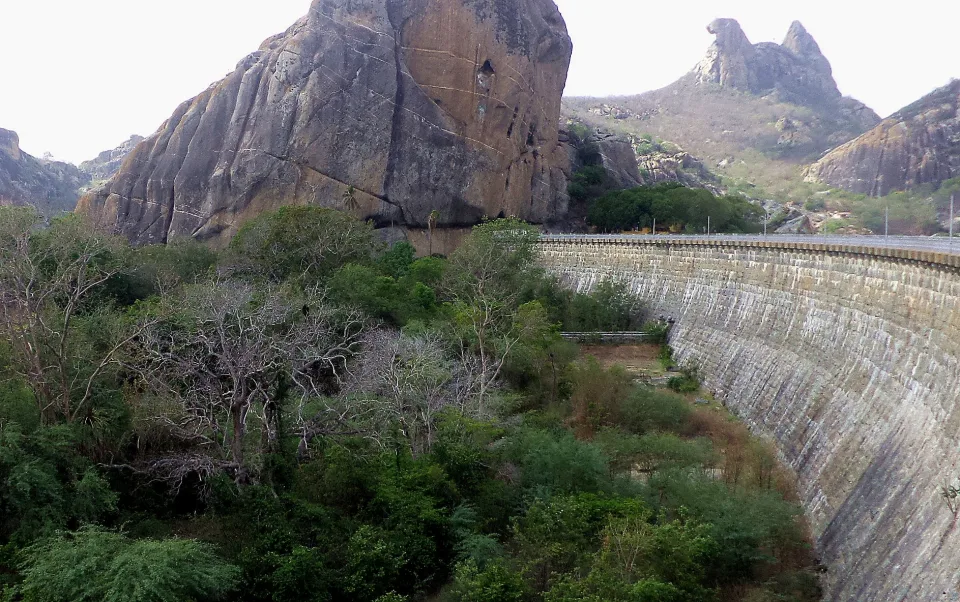
Historic main dam wall of Açude do Cedro in Quixadá
Photo: GLandovsky / Wikimedia Commons · CC BY-SA 4.0 · Cropped for layout

An engineering landmark

Açude do Cedro: the story of water in the Sertão

The historic dam was built as part of early efforts to manage drought in Ceará. Its masonry adds a human story to the granite landscape. Visit as an engineering and heritage landmark, but check current rules: swimming, boating and access to dam structures are not automatically allowed.

See the practical trip plan

Travel styles

Who does it suit?

These comparative scores show who is likely to enjoy this destination most—and where expectations may need adjusting.

Repeat Brazil travellers10/10
Active travellers10/10
Friends10/10
Backpackers9/10
Families with teenagers9/10
Couples8/10
Slow travel8/10
Solo8/10

Brasilll

How long should you stay?

We recommend 3–4 nights as a starting point. Include the arrival and departure journeys in your plan, then adjust the stay around the local outings you choose.

Two or three nights allow a Cedro visit, a chosen rock walk and time in town. Exposed granite becomes hot; use a qualified guide for climbing and check reservoir levels before any water-based plan.

Found an outdated price, route or detail? Send the page URL, the information that needs changing and a supporting source if available.

Report an error →

Does this sound like your Brazil?

Use Find Your Brasil to compare this destination with the rest of the country using your own priorities.

Plan Brazil

Getting there & moving on

Use these rounded door-to-door estimates to judge the travel day. Confirm the actual service and departure time before booking.

Arrival base

Quixadá

Typical access Road

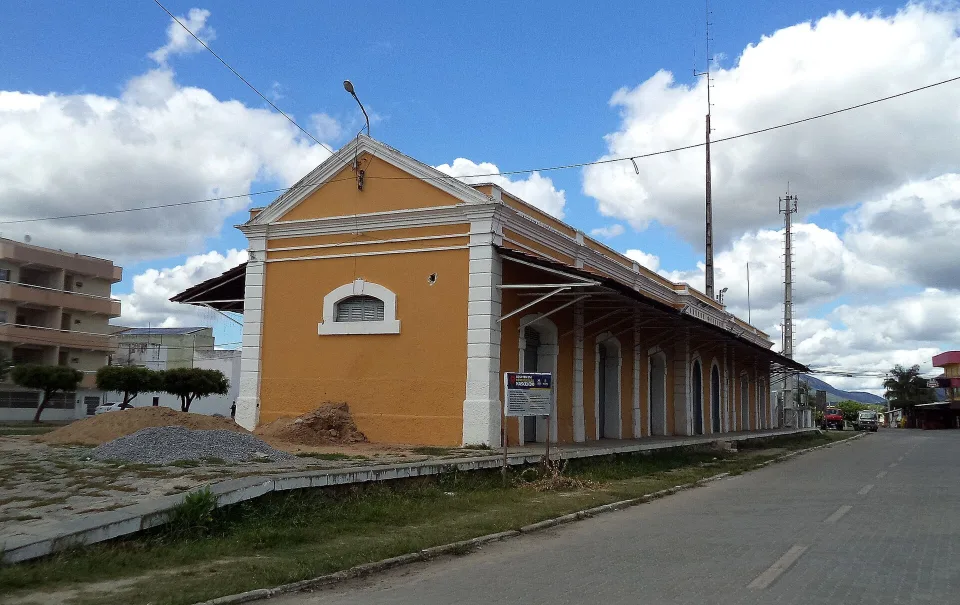
A town base works for Quixadá’s services and railway history. Plan separate transport to Açude Cedro and the granite-landscape viewpoints you want.

Good onward connections

These are selected options for your next stop. Confirm operating days, connections and total travel time for your dates.