5 nights · default stay

Brazil · History · Nature · Culture

Petrópolis & Teresópolis

Petrópolis and Teresópolis are a different Rio de Janeiro: imperial streets, cloud-draped granite peaks and Atlantic Forest instead of beaches. They work best as two complementary bases, not one walkable mountain town. Stay in Petrópolis for the Imperial Museum, cathedral and architectural landmarks, then move to Teresópolis for Serra dos Órgãos trailheads and the Dedo de Deus scenery. Build in weather flexibility rather than rushing between the two.

Recommended stay4–5 nights
Ease of travel8/10
First Brazil trip8/10
Infrastructure8/10
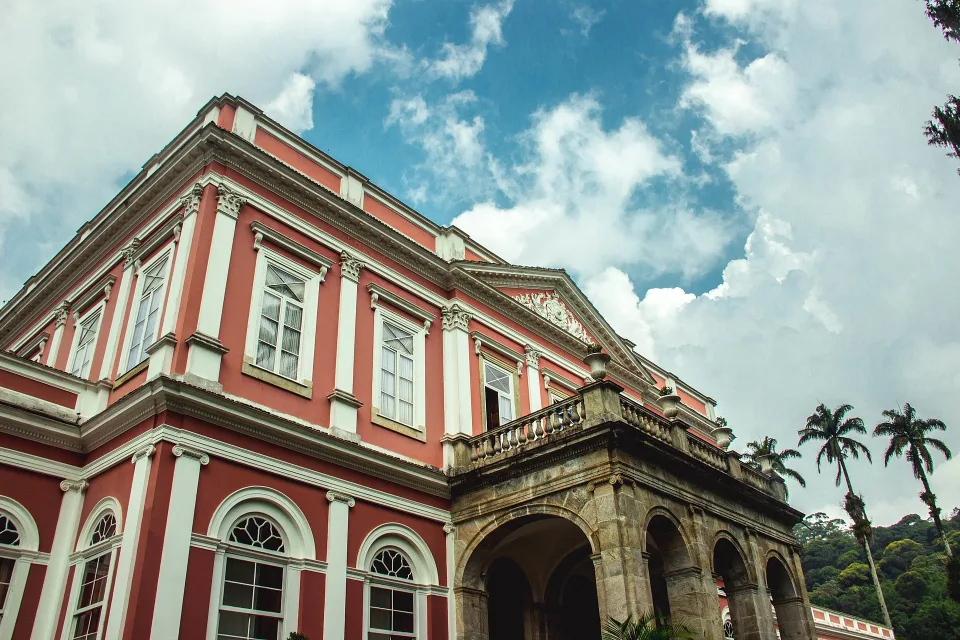
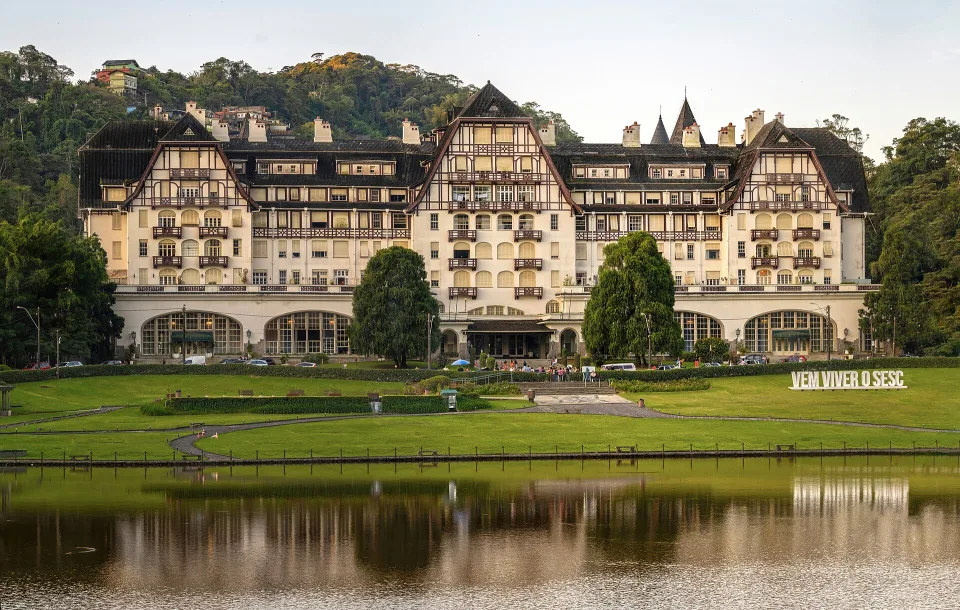
Museu Imperial in Petrópolis, Rio de Janeiro
22.42°S · 43.08°W History
Photo: Guilherme Tonelli · CC BY-SA 4.0

Why this place

Petrópolis & Teresópolis

Petrópolis and Teresópolis reveal the mountain side of Rio state. Petrópolis is strongest for imperial history, architecture, museums and food, while Teresópolis is the practical gateway to Serra dos Órgãos and the dramatic Dedo de Deus landscape. Together they work as a cool-climate cultural-and-hiking break from the coast.

Historic Petrópolis rewards slowing down. The Museu Imperial, gardens and tree-lined avenues establish the atmosphere, while the cathedral and Quitandinha make the city more than a one-building day trip. Opening times are independent: check the museum's published calendar and Monday closure before fixing an arrival day, and treat monuments and gardens as separate visits rather than assuming a combined ticket.

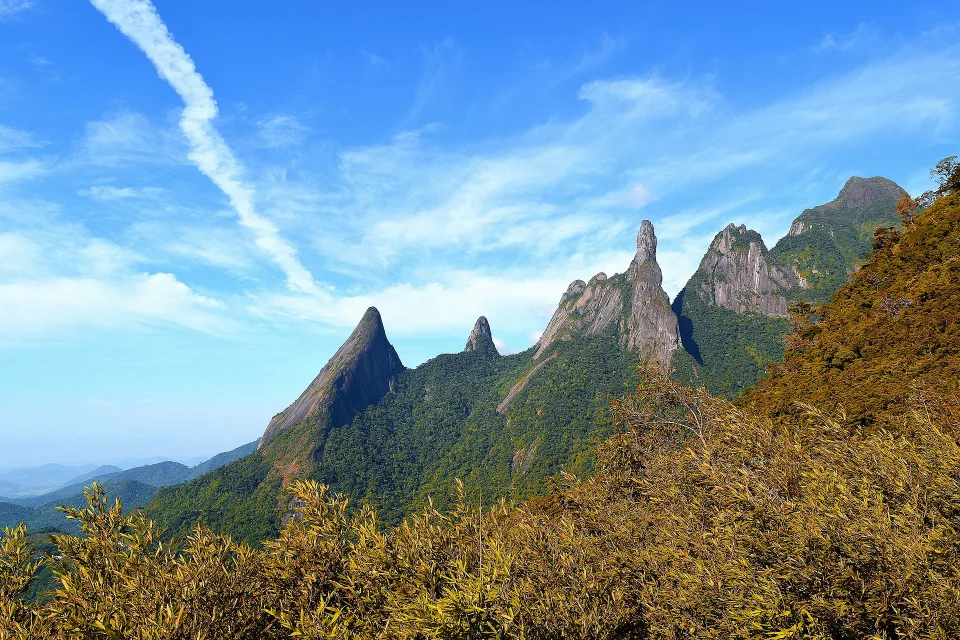
Teresópolis has a different purpose. Serra dos Órgãos is the principal draw, but a viewpoint, an easy lower-park walk and an exposed summit route are not versions of the same activity. Dedo de Deus is a landscape landmark; seeing its silhouette requires no technical ascent. Clouds can hide the peaks, so keep a backup activity in the town or lower park instead of guaranteeing a particular photograph.
The Brasilll take

Petrópolis and Teresópolis prove Rio state is also a mountain destination.

Petrópolis gives the trip its cultural spine through imperial history, architecture and museums. Teresópolis shifts the focus to Serra dos Órgãos, cooler air and hiking. Together they are a convincing highland break from the beaches, especially when you have a car or enough time to move between the two bases without rushing.

What makes this destination different

01

Petrópolis deserves more than the Imperial Museum

The museum is the obvious anchor, but Quitandinha, historic streets, food and the mountain-city atmosphere turn a single attraction into a proper overnight destination.

02

Teresópolis is the nature counterweight

The Serra dos Órgãos landscape and Dedo de Deus give the combined trip a completely different visual and physical dimension from Petrópolis.

03

Mountain weather changes the rules

Cloud, rain and trail conditions can shift quickly. Check current national-park information before committing to longer hikes.

Before you book

Petrópolis & Teresópolis: book the museum, park gate and trail you actually need

Imperial culture and mountain hiking have different opening rules. The famous traverse is not a casual day trip, and the Açu shelter remains closed in October 2026.

01

Museum days are not national-park days

Museu Imperial normally opens Tuesday to Sunday, with the palace closed on Mondays and free palace admission on Sundays as stated on its own visitor page. Serra dos Órgãos also normally closes Mondays, except certain public holidays, and currently has temporarily free admission subject to visitor caps. Check each attraction's exact calendar and photo-ID requirement rather than planning every activity on a Monday or assuming free means guaranteed entry.

02

Pick the Petrópolis or Teresópolis park gate deliberately

The Bonfim/Petrópolis gate gives access to lower waterfalls and demanding Açu approaches, whereas Teresópolis has a visitor centre, lower walking routes and separate upper-mountain options such as Pedra do Sino. They are not two entrances to the same short circular trail. ICMBio lists daily entry and vehicle limits, and the Petrópolis gate has no visitor car park: confirm your trailhead, transport and safe return before leaving your hotel.

03

Do not sell the 30 km traverse as a regular day excursion

ICMBio describes the Petrópolis–Teresópolis traverse as roughly 30 km, commonly a three-day mountain expedition. The Açu shelter is closed because of structural risk and cannot be assumed available for overnight accommodation. Camping requires advance online permission (opening two months ahead), a risk acknowledgement and appropriate waste equipment; mountain conditions and access can change. An experienced guide and an independent rescue-aware plan are essential.

At a glance

Brasilll scorecard

The same 0–10 scale is used across the catalogue, so strengths and compromises stay comparable.

These are editorial fit ratings, not visitor-review averages or safety guarantees. A high score describes a strength for a particular kind of trip. How to read these scores →

Culture9/10
Food9/10
History10/10
Nightlife6/10
Beach0/10
Nature9/10
Wildlife7/10
Adventure8/10
Local feel8/10
Photography10/10
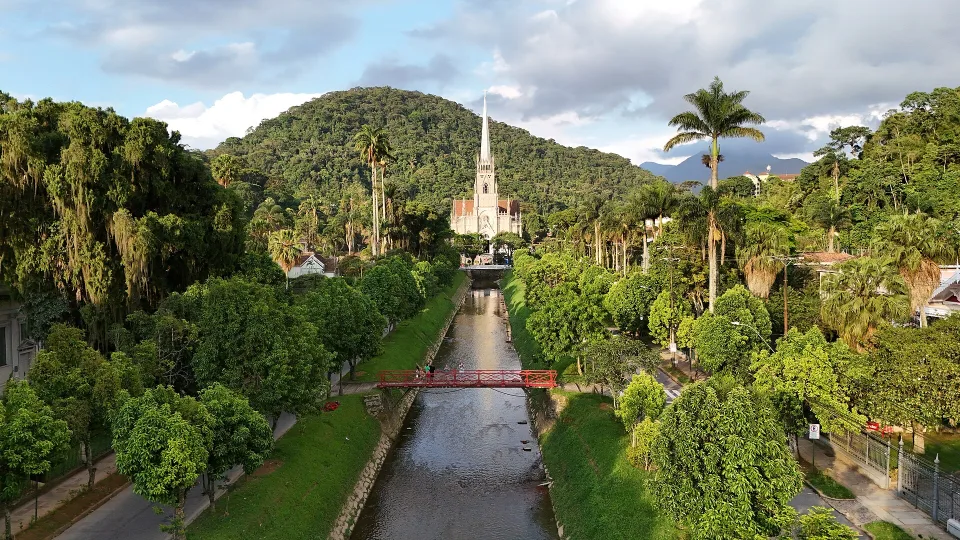
Aerial view of the tree-lined Avenida Koeler and São Pedro de Alcântara Cathedral in Petrópolis
Photo: Tavelini · CC BY-SA 4.0 · Cropped for layout

The imperial city has its own rhythm

Avenida Koeler: Petrópolis beyond a single palace

The tree-lined avenue, historic houses and cathedral show why Petrópolis works as a proper city break, not just a museum stop on the way to the mountains. Choose a central base if you want to explore its architecture on foot, check opening hours separately, and do not mistake the walkable historic streets for the Bonfim national-park entrance.

Compare the two mountain bases

Where to stay

How to divide your time

The historic centre of Petrópolis is practical for walking, museums and dinner; Quitandinha adds a different architectural stop. Teresópolis is a base for the national park and mountain-town evenings. Bonfim is a separate trailhead, not a landmark inside Petrópolis's centre.

Historic Petrópolis

Best for museums, imperial history, walking and the densest cultural part of the combined trip.

Quitandinha & wider Petrópolis

Adds twentieth-century architecture and gives you a reason to move beyond the core centre.

Teresópolis

A useful mountain-town base for food, local life and access to Serra dos Órgãos.

Serra dos Órgãos

The hiking and landscape component; choose trails according to current weather, fitness and park guidance.

Weather & timing

When to go

Season matters. These monthly scores combine our current baseline for climate, access and overall travel fit.

Monthly ratings are broad planning guidance, not a weather forecast or confirmation that every activity is operating.

Jan7/10
Feb7/10
Mar8/10
Apr9/10
May10/10
Jun10/10
Jul10/10
Aug10/10
Sep9/10
Oct8/10
Nov7/10
Dec7/10

Build your route

A strong first visit

Split four days deliberately: historic Petrópolis first; one day for Quitandinha or a lower-forest visit; a genuine transfer to Teresópolis; and a weather-appropriate park outing. Do not try to add a multiday traverse to a normal sightseeing trip.

Day 1

Imperial Museum and the walkable Petrópolis centre

Start in central Petrópolis with the Museu Imperial, but check the museum's own visitor page before fixing your day: the palace normally opens Tuesday to Sunday and closes on Mondays, while Sunday admission to the palace is listed as free. Interior visits, gardens and other museum activities have different access rules. Spend the rest of the day on historic streets and a planned meal instead of trying to reach Teresópolis after a full museum circuit; choose a central pousada if you will mostly walk.

Day 2

Quitandinha or the Petrópolis side of Serra dos Órgãos

Choose either a slower urban day around Quitandinha and Petrópolis food or a nature visit entered from the park's Bonfim/Petrópolis gate. ICMBio lists lower-area walks towards Véu da Noiva separately from demanding upper-mountain routes such as Açu; they are not interchangeable family outings. The park's visitor guide currently describes temporarily free entry, Tuesday-to-Sunday access and visitor limits, so verify opening, ID and weather before setting off. Do not assume the Bonfim entrance offers car parking.

Day 3

Move to Teresópolis for the lower park trails

Transfer to Teresópolis as a separate journey rather than imagining the two cities share one tourist centre. At the Teresópolis park gate, plan visitor-centre time and a suitable lower-level path or natural pool, choosing actual trail length and access around the forecast. ICMBio distinguishes these family-friendly outings from Pedra do Sino and the long summit trails; some areas limit vehicles and entry can stop when capacity is reached. Leave time for Teresópolis food and the Feirinha do Alto if it is operating.

Day 4

Choose a gentle trail, not an improvised 30 km traverse

Use your fourth day for a second lowland park walk or an extra museum, depending on rain and mobility. The famous Petrópolis–Teresópolis traverse is a separate, roughly 30 km mountain expedition usually spread over three days, not a quick link between the towns. As of October 2026 ICMBio says the Açu mountain shelter is closed for structural safety, and overnight camping must be booked and authorised online in advance with appropriate gear and a risk form. Choose an experienced guide and check the live park notices before any high-altitude attempt.

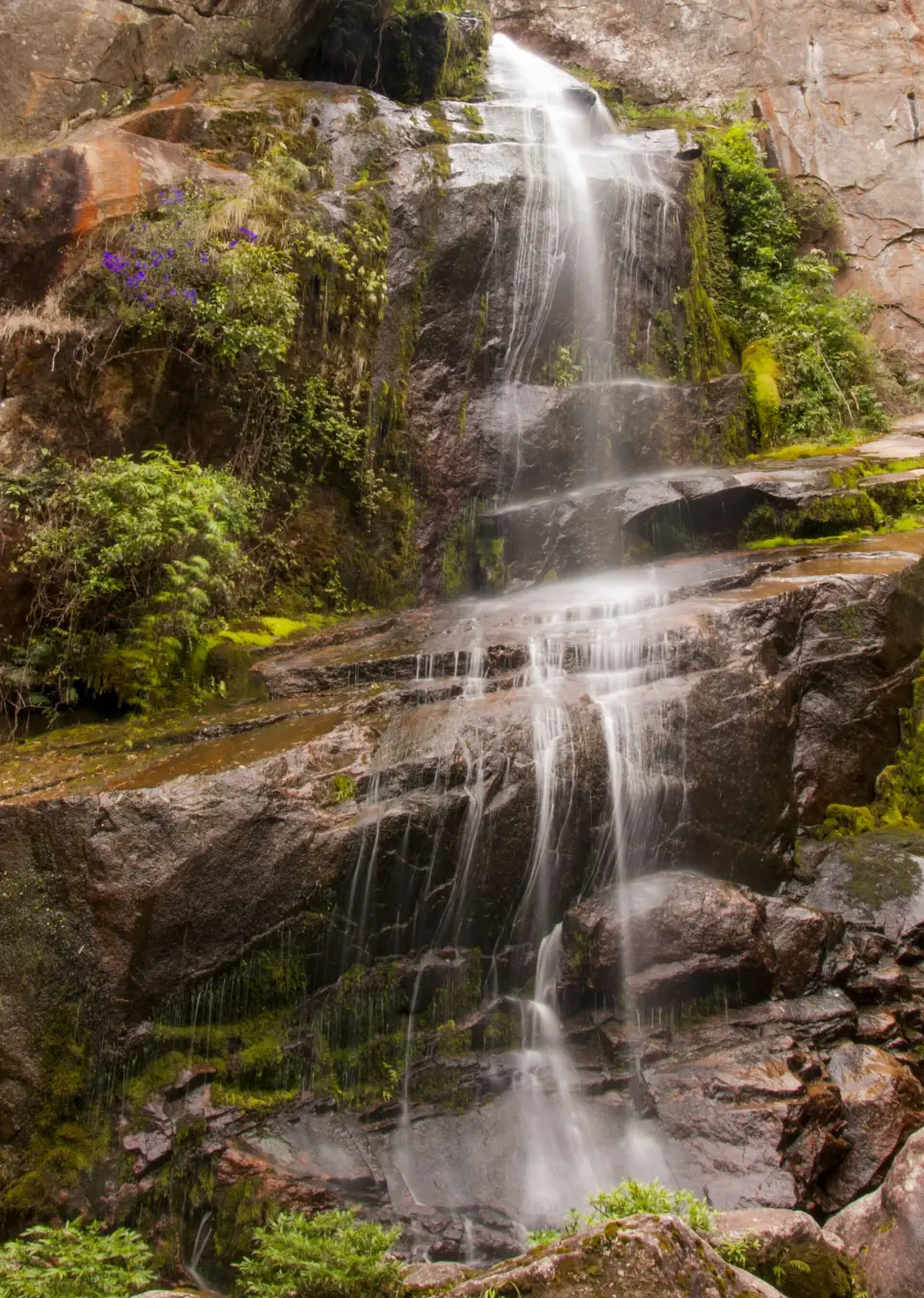
Tall Véu da Noiva waterfall surrounded by Atlantic Forest on the Petrópolis side of Serra dos Órgãos National Park
Photo: Ferreiraandreza · CC BY-SA 3.0 · Cropped for layout

The quieter side of the mountains

Véu da Noiva: plan an appropriate lower-park visit

This waterfall on the Petrópolis side of Serra dos Órgãos shows the forest and streams that visitors focused only on granite peaks may miss. It is not the same outing as the high-altitude Petrópolis–Teresópolis traverse. Before leaving, check ICMBio's current trail access, weather and gate hours; waterfall flow and any permission to enter the water may change after rain.

Build realistic mountain days

Travel styles

Who does it suit?

These comparative scores show who is likely to enjoy this destination most—and where expectations may need adjusting.

Repeat Brazil travellers10/10
Couples10/10
Active travellers10/10
Slow travel9/10
Solo9/10
Families with teenagers9/10
Friends9/10
Seniors8/10

Brasilll

How long should you stay?

Four nights gives the pairing enough depth; five is better if hiking is a real priority. As a two-night weekend from Rio, choose one city rather than spending too much time moving between them.

Four nights give the pairing room to breathe: ideally two for Petrópolis's cultural centre and two for Teresópolis and the national park. For a short weekend focused on museums and food, choose one city rather than constantly changing hotels. Five nights offer valuable flexibility for walkers, photographers and unpredictable mountain weather.

Treat travel between the two towns as a real mountain-road transfer, with time for traffic and rain. The park's Bonfim/Petrópolis and Teresópolis gates lead to distinct walks and are not connected by an easy short stroll. ICMBio treats the famous roughly 30 km mountain traverse as a separate multiday expedition requiring careful preparation, camping permissions and current checks on shelter restrictions.

Found an outdated price, route or detail? Send the page URL, the information that needs changing and a supporting source if available.

Report an error →

Does this sound like your Brazil?

Use Find Your Brasil to compare this destination with the rest of the country using your own priorities.

Plan Brazil

Getting there & moving on

Use these rounded door-to-door estimates to judge the travel day. Confirm the actual service and departure time before booking.

Main planning gateway

Rio de Janeiro

Typical access Road
Gateway transfer Road transfer · ~2 h Flexible timing · Short transfer block

Start by checking arrivals into Rio de Janeiro, then confirm the onward transfer to this destination. Treat the road time as a planning estimate and leave some buffer for traffic, stops and local pickup arrangements.

Good onward connections

These are selected options for your next stop. Confirm operating days, connections and total travel time for your dates.