4 nights · default stay

Brazil · Culture · Ecotourism · Nature

Paiter Suruí & Cacoal

Discover Paiter Suruí community-led tourism near Cacoal, with forest knowledge, coffee and cultural exchange—only through an invited, agreed visit.

Recommended stay3–5 nights
Ease of travel4/10
First Brazil trip4/10
Infrastructure5/10
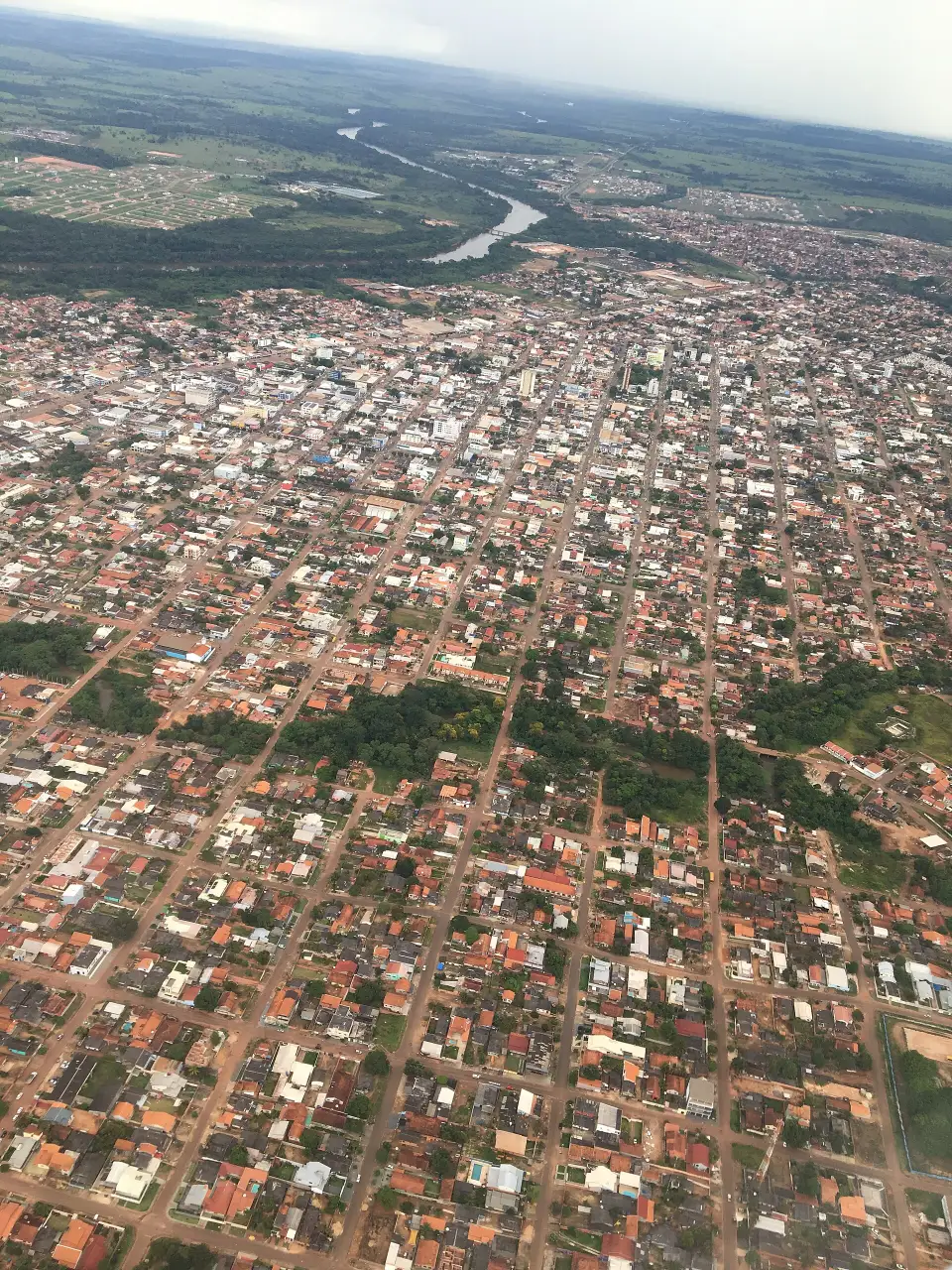
Aerial view of Cacoal in Rondônia, the gateway for authorised Paiter Suruí community visits
11.44°S · 61.45°W Culture
Photo: Christopher Krause · CC BY-SA 4.0

Why this place

Paiter Suruí & Cacoal

The Cacoal region offers access to community-led tourism experiences created by the Paiter Suruí themselves, including the Yabnaby experience associated with Aldeia Lapetanha. Visits can combine forest trails, agroforestry, coffee, cacao and Brazil-nut production with cultural exchange and local knowledge. This is not an open-access attraction: the value comes precisely from travelling through authorised community tourism with advance organisation and respect for local rules.

Cacoal is the practical gateway to Paiter Suruí community tourism in Rondônia, but the visit itself is not a conventional sightseeing attraction. Brazil's tourism ministry describes the Yabnaby initiative at Aldeia Lapetanha, associated with the Sete de Setembro Indigenous territory, as an opportunity for community-led experiences around food, forest knowledge and daily work. Those descriptions explain what may be offered, not what visitors are entitled to demand. Decide first whether the hosts are welcoming guests on your dates, which activities they actually choose to share and whether the tourism arrangement has the necessary community approval.

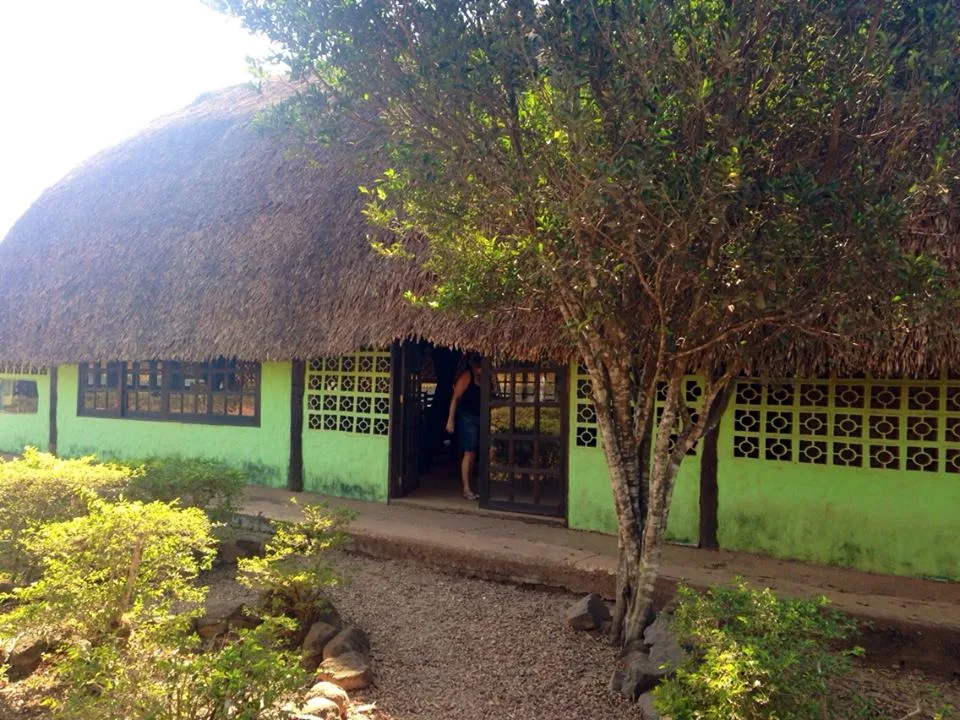
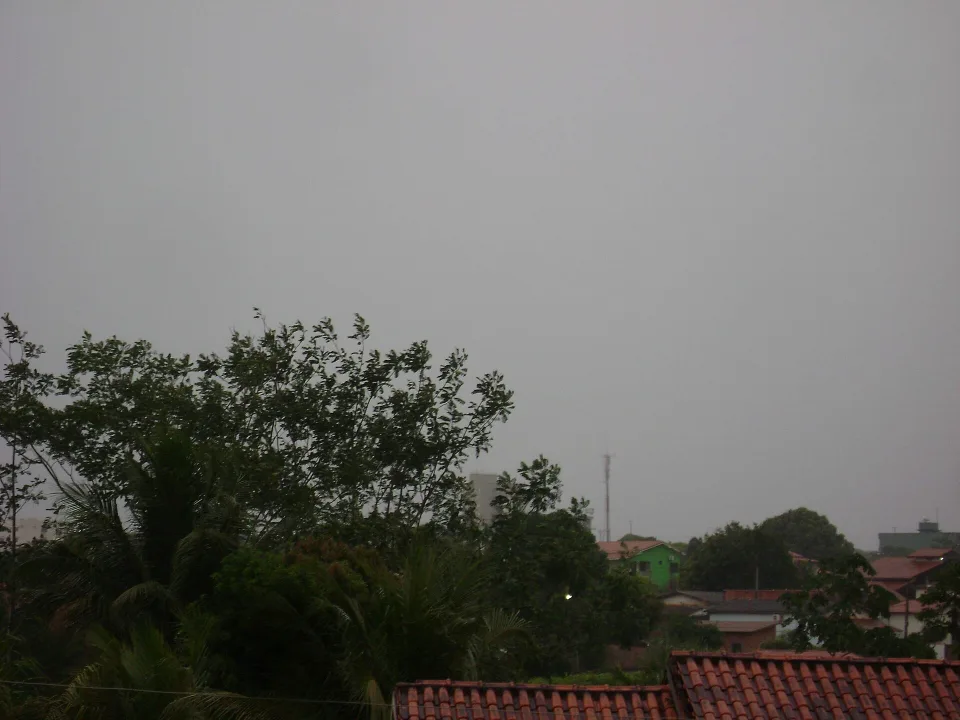
A thoughtful visit can connect several subjects without reducing the people who live here to a photo opportunity. Paiter Suruí producers work with coffee, agroforestry and forest recovery, while local guides may share selected walks or cultural knowledge when invited. That does not mean every plantation, trail or home is publicly accessible, or that ceremonies are scheduled for tourists. The community sets the terms for photographs, recordings and stories, and consent for taking an image is not automatically consent to publish it. The two landscape photographs on this guide show public locations around Cacoal; neither pretends to depict an uninvited Indigenous household or an approved tourism activity.
Before you book

Paiter Suruí: ask the community for a confirmed visit, not an open-access ticket

Yabnaby at Aldeia Lapetanha is a community-led experience, not a public attraction with guaranteed daily access.

01

Start with the hosts and the approved visitor arrangement

Brazil's Ministry of Tourism documents the Yabnaby experience near Cacoal, but an article, map or old brochure does not establish that any date is bookable. FUNAI requires Indigenous-led planning, community consent and a visitation plan under Instruction 03/2015; ask the Paiter Suruí organisers whether the precise proposed visit is operating under the applicable arrangements. Confirm group limit, dates, meeting point, route, host/guide and a written contact before travelling to the territory. Without an invitation, stay in Cacoal.

02

Pay for the actual activities offered; photography is separate consent

Ask the community organiser what the visit genuinely includes: local guide, forest interpretation, agroforestry and coffee discussion, craft demonstration, meals or overnight. These are not interchangeable promises and residential, sacred or personal activities are not automatically offered. The hosts decide what may be discussed, accessed, recorded or posted, including images of children and private homes. Obtain individual consent before photographing or sharing portraits. Clarify who receives payments and any cancellation policy.

03

Plan transport and an ethical fallback without uninvited village stops

Cacoal is only the regional base; the community should specify the legal visitor meeting point, transfer, departure time and any restrictions on movement. Ask about road conditions, food, water, weather and accessibility for a forest walk before fixing an onward connection. If the organisers cannot host the group or change a visit, do not divert to another Indigenous village without its own agreement. Treat any FUNAI compliance seal as evidence of a specific approved initiative, not an open pass to all Paiter Suruí territory.

At a glance

Brasilll scorecard

The same 0–10 scale is used across the catalogue, so strengths and compromises stay comparable.

These are editorial fit ratings, not visitor-review averages or safety guarantees. A high score describes a strength for a particular kind of trip. How to read these scores →

Culture10/10
Food9/10
History8/10
Nightlife1/10
Beach0/10
Nature9/10
Wildlife8/10
Adventure7/10
Local feel10/10
Photography8/10
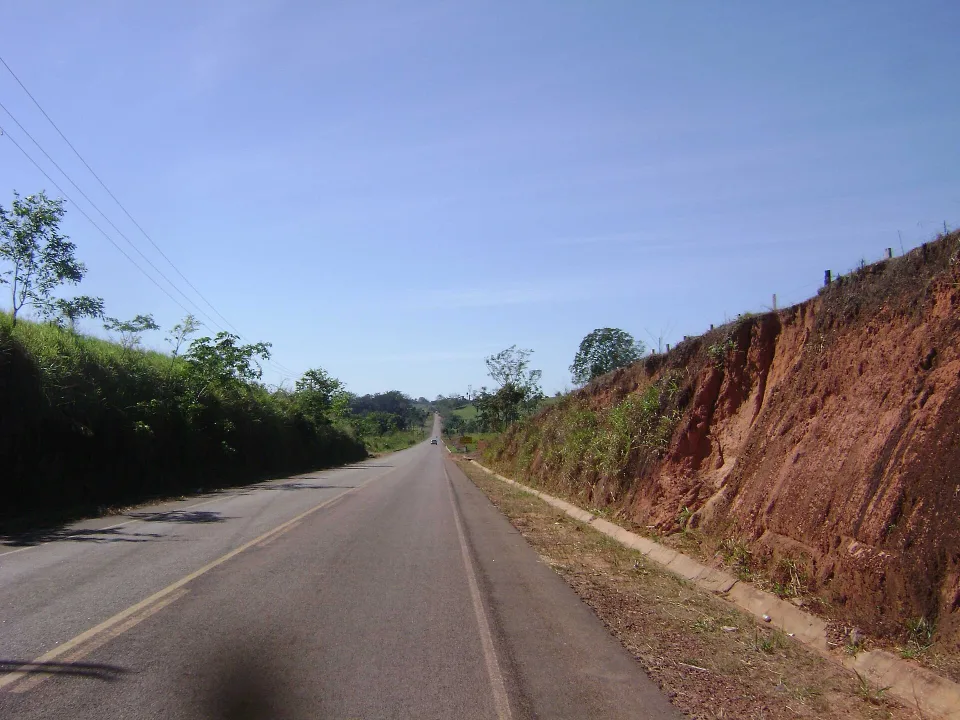
Original 2012 photograph of the Rodovia do Café roadway in Cacoal, Rondônia, the regional gateway for Paiter Suruí visits
Photo: Aldair Sales / Wikimedia Commons · CC BY-SA 3.0 · Cropped for layout

The journey starts outside Indigenous territory

Rodovia do Café: Cacoal is a gateway, not an open village tour

This original 2012 photograph shows a stretch of the Rodovia do Café near Cacoal in Rondônia. It illustrates the region's working road landscape, not an Indigenous coffee plantation or the Yabnaby visitor initiative. Coffee and agroforestry can be subjects of a Paiter Suruí-hosted experience, but only when the community itself offers it. Arrange the actual host contact, meeting point, dates and permission before leaving town; a scenic road or map pin never establishes the right to enter Sete de Setembro Indigenous territory.

Compare Cacoal, community hosting, coffee and guided forest activities

Where to stay

Cacoal is the gateway; Paiter Suruí experiences are community-owned and scheduled

Distinguish the public city base in Cacoal from a consent-based Yabnaby visit, invited coffee or agroforestry experiences, and any community-guided forest walk. Each has different hosts, permissions and availability; a map pin is not a ticket.

Cacoal town — transport and supplies, not an open village walk

A hotel in Cacoal is a sensible base for Rondônia road travel, but it does not give permission to enter the Sete de Setembro Indigenous territory. Contact the Paiter Suruí organisers first to confirm whether they are receiving visitors, the agreed pickup or meeting place, and which trip services the community offers.

Aldeia Lapetanha and Yabnaby — invited cultural exchange

Brazil's Ministry of Tourism identifies the Yabnaby initiative near Cacoal as community-led tourism, with guided experiences of everyday life and local food. Lapetanha is a living community, not a staged village or a public museum. Community hosts decide what can be visited, discussed, shared and photographed.

Agroforestry and coffee — learn with the people who grow it

The official tourism account highlights Paiter Suruí organic coffee and seed and nut collection as part of forest recovery and economic life. An agreed visit may explore cultivation, food and landscape with local hosts; it must not be presented as unlimited access to fields, farms or harvesting activities.

Forest walks and traditional knowledge — guided, not a free trail network

The ministry describes guided forest outings and community hospitality within the Yabnaby experience. The community chooses the route and whether cultural activities are offered. Treat sacred spaces and private homes as off-limits unless hosts explicitly invite visitors, and ask before recording images or stories.

Travel smarter

Three ethical and practical checks for a Paiter Suruí visit

A few practical decisions before departure can save time and make the experience easier on the ground.

01

Can visitors independently drive into an Indigenous village?

No. FUNAI's community-led tourism rules centre Indigenous consent and a visitor plan. A Google Maps pin or a blog itinerary does not replace community approval or the applicable formal visitation arrangements.

02

Are cultural performances, ceremonies or photographs included by default?

No. The community controls whether any presentation or photograph is appropriate. Ask permission before taking portraits, recording voices or sharing sensitive cultural knowledge, and do not request rituals as a paid performance.

03

Is an old Yabnaby price or lodge booking a guarantee of entry?

No. The Ministry describes a real tourism initiative, but operating dates, capacity, transport and hospitality depend on the hosts. Obtain direct confirmation of the authorised offer, inclusions and cancellation policy.

Weather & timing

When to go

Season matters. These monthly scores combine our current baseline for climate, access and overall travel fit.

Monthly ratings are broad planning guidance, not a weather forecast or confirmation that every activity is operating.

Jan6/10
Feb6/10
Mar6/10
Apr7/10
May8/10
Jun10/10
Jul10/10
Aug10/10
Sep10/10
Oct9/10
Nov8/10
Dec6/10

Build your route

Three days with a community-approved schedule, not a fixed tourist show

Begin with a confirmed community invitation, not an assumption of entry. Use Cacoal as your arrival base, follow only the itinerary chosen by the Paiter Suruí hosts, and leave with the agreed transport. Without approval, the responsible alternative is to stay in town.

Day 1

Confirm an invited Paiter Suruí visit before leaving Cacoal

Use Cacoal for regional arrival, accommodation and basic transport planning, but not as permission to drive into the Sete de Setembro Indigenous territory. The Ministry of Tourism documents Yabnaby at Aldeia Lapetanha, while FUNAI's updated tourism rules require a community-led visitor plan and consent. Contact the actual host organisation to confirm the precise dates, whether visits are being received, the agreed arrival point, group limit, authorised activities, price, payment and cancellation terms. Without a confirmed invitation and applicable visitation arrangements, remain in Cacoal instead of arriving unannounced at someone's home.

Day 2

Follow what your community hosts choose to share

If a legitimate community-arranged visit is available, follow the Paiter Suruí hosts' own schedule instead of expecting a fixed performance or unrestricted forest hike. Official tourism information describes the possibility of guided forest experiences, food, coffee and agroforestry, but offerings depend on the people receiving you. Ask what is actually included and whether your payments support the community. Never enter a dwelling or spiritually significant place without explicit invitation. Photos, voices and personal stories require consent before recording and separate permission before public sharing, especially for children.

Day 3

Leave on the agreed schedule and avoid uninvited stops

Only arrange a second activity or overnight when the community offers it and has agreed the duration and transport. Otherwise return to Cacoal with your confirmed driver and leave a sensible buffer for onward road travel. Do not treat neighbouring Indigenous villages as convenient additional attractions; they have their own autonomy and may not accept visitors. Confirm current road conditions and the return pickup before leaving the town. When posting the experience, respect restrictions on names, portraits and cultural knowledge and describe the people as partners and hosts, not as a spectacle.

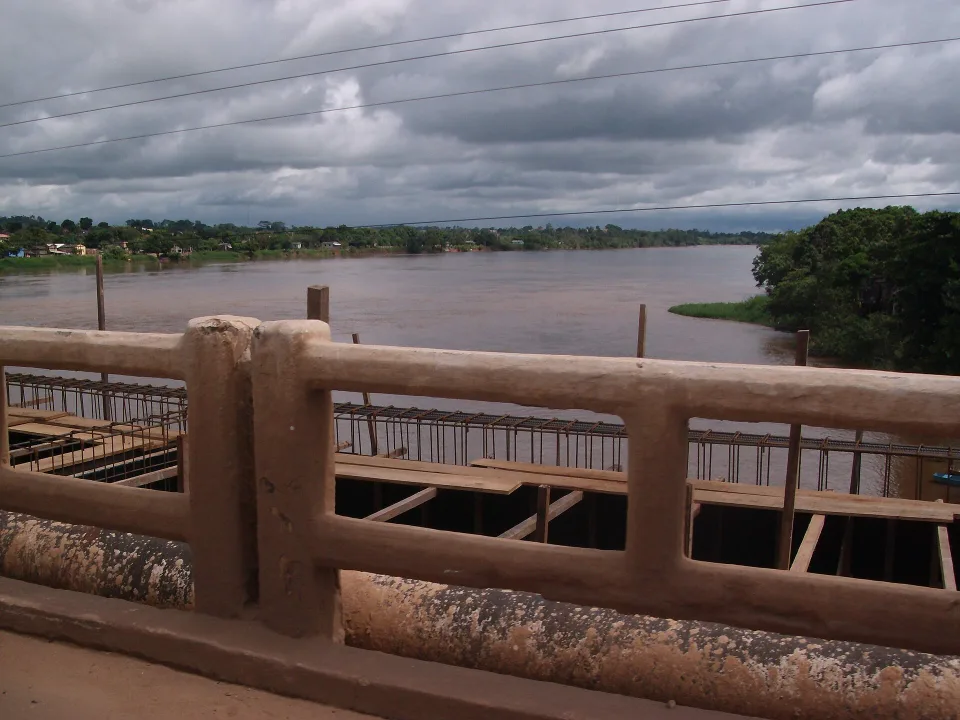
Original photograph of the RO-383 bridge over the Rio Machado near Cacoal, Rondônia, Brazil
Photo: Aldair Sales / Wikimedia Commons · CC BY-SA 3.0 · Cropped for layout

A real landscape, not a staged cultural portrait

Rio Machado: understand the region without photographing private lives

This verified 2012 photograph shows the road bridge over the Rio Machado in the Cacoal area. Like the coffee road, it documents a public regional landscape and makes no claim to depict Paiter Suruí homes, people or sacred sites. That distinction matters here: visiting Aldeia Lapetanha through the community-led Yabnaby initiative is different from exploring a public road. Request permission for any cultural visit, ask before making portraits or recordings, and obtain separate consent before publishing personal stories—particularly images of children.

See the invitation-led three-day itinerary

Travel styles

Who does it suit?

These comparative scores show who is likely to enjoy this destination most—and where expectations may need adjusting.

Repeat Brazil travellers10/10
Slow travel10/10
Families with teenagers9/10
Couples8/10
Friends8/10
Active travellers8/10
Backpackers7/10
Solo7/10

Brasilll

How long should you stay?

We recommend 3–5 nights as a starting point. Include the arrival and departure journeys in your plan, then adjust the stay around the local outings you choose.

Around three to five nights gives room for getting to Cacoal, a community visit only if confirmed and a sensible departure buffer. The itinerary below shows a possible three-day structure, not a prebookable programme with daily departures. If the Paiter Suruí hosts have not confirmed the date and visitation terms, plan a normal stay in Cacoal instead. Do not drive into Aldeia Lapetanha or another Indigenous village in search of an experience advertised online.

Before reserving non-refundable transport, ask the community organiser for a written confirmation covering the agreed meeting point, host or guide, group size, permitted activities, duration, meals, local transport, price, payment and cancellation policy. Ask how purchases and fees support local participants rather than assuming they do. Cacoal has ordinary regional lodging and services, but that does not include access to Indigenous territory. Bring appropriate footwear, drinking water and respect for privacy; leave cultural recordings, drone flights and portraits out of your plans unless specifically invited and authorised.

Found an outdated price, route or detail? Send the page URL, the information that needs changing and a supporting source if available.

Report an error →

Does this sound like your Brazil?

Use Find Your Brasil to compare this destination with the rest of the country using your own priorities.

Plan Brazil

Getting there & moving on

Use these rounded door-to-door estimates to judge the travel day. Confirm the actual service and departure time before booking.

Arrival base

Cacoal

Typical access Road

Use Cacoal for the regional arrival, then follow the meeting and transfer arrangements of the community-authorised experience. Do not treat an Indigenous community as an open-access attraction.

Good onward connections

These are selected options for your next stop. Confirm operating days, connections and total travel time for your dates.