5 nights · default stay

Brazil · Nature · Nature gateway · Ecotourism

Boa Vista & Serra do Tepequém

From Boa Vista’s riverside to Serra do Tepequém’s waterfalls, discover Roraima’s savanna and highlands. Plan time for the 200 km road trip.

Recommended stay4–6 nights
Ease of travel5/10
First Brazil trip4/10
Infrastructure6/10
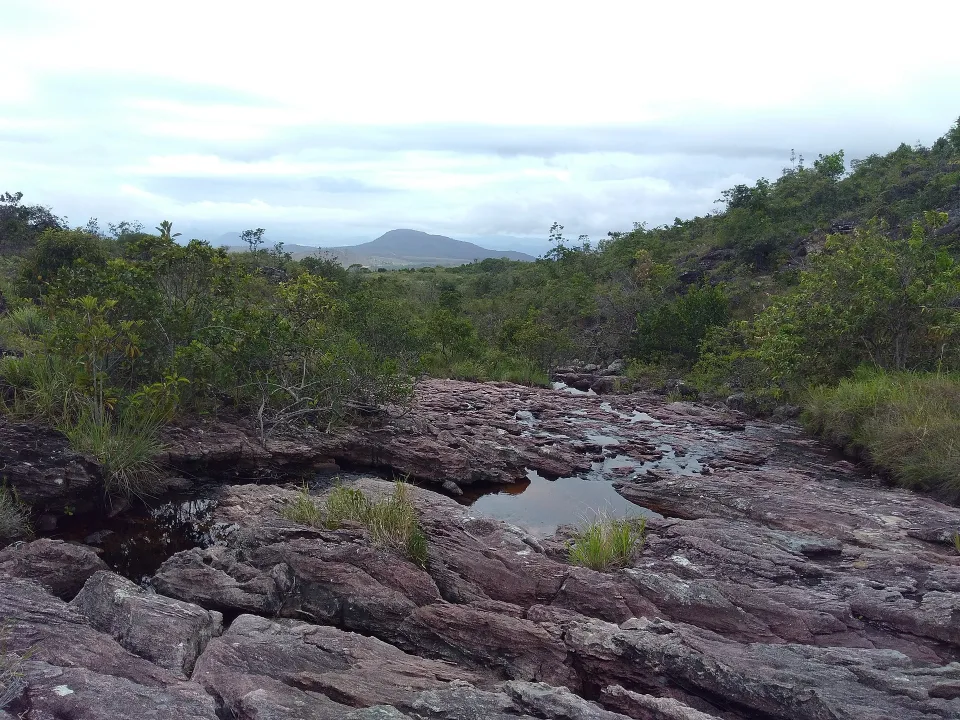
Serra do Tepequém landscape in Roraima
2.82°N · 60.68°W Nature
Photo: Felipe Mavignier de Alencastro Graça · CC BY-SA 4.0

Why this place

Boa Vista & Serra do Tepequém

Boa Vista is the practical gateway to Roraima and the starting point for Serra do Tepequém, roughly 200 kilometres away in Amajari. The combination moves from a planned northern capital and lavrado savanna into a cooler highland landscape of waterfalls, trails, viewpoints and mining history.

Northern Roraima feels different from much of the Amazon: around Boa Vista, open lavrado savanna and the Rio Branco frame a low-rise capital, while Serra do Tepequém rises into rocky viewpoints, trails and waterfalls. The city and the plateau are a useful pairing, not one compact attraction. Begin in Boa Vista at Orla Taumanan and Parque do Rio Branco, where you can adjust to the region, explore the waterfront and organise the onward journey. The highland base belongs to Amajari, around 200 kilometres away by road.

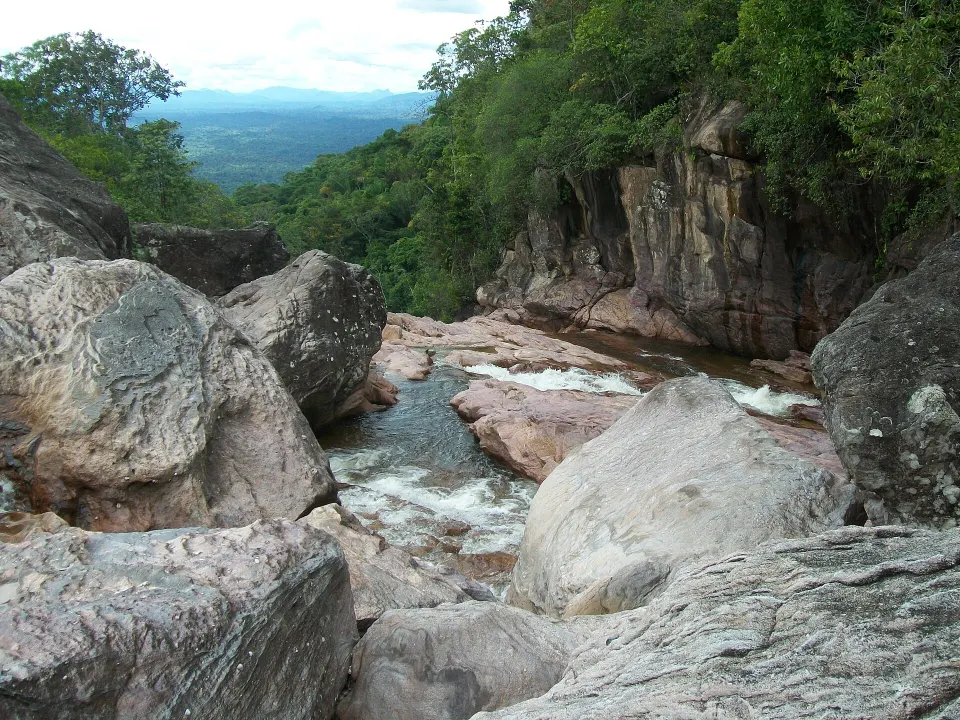
Serra do Tepequém's scenery reflects its history as a diamond-prospecting area, but old mining sites should not be treated as public visitor mines. The main reason to come is the mix of plateau landscapes and separately accessed waterfalls such as Paiva, Barata and Sobral. Trails may require local directions, private-land permission or guiding; water volume and slippery rock change after rain. Ask a local host which route is appropriate today rather than expecting every waterfall to be safe, open and suitable for swimming. Tepequém also is not Monte Roraima: that distant tepui is a different, far more complex border expedition.
At a glance

Brasilll scorecard

The same 0–10 scale is used across the catalogue, so strengths and compromises stay comparable.

These are editorial fit ratings, not visitor-review averages or safety guarantees. A high score describes a strength for a particular kind of trip. How to read these scores →

Culture8/10
Food8/10
History6/10
Nightlife4/10
Beach1/10
Nature10/10
Wildlife8/10
Adventure9/10
Local feel10/10
Photography10/10
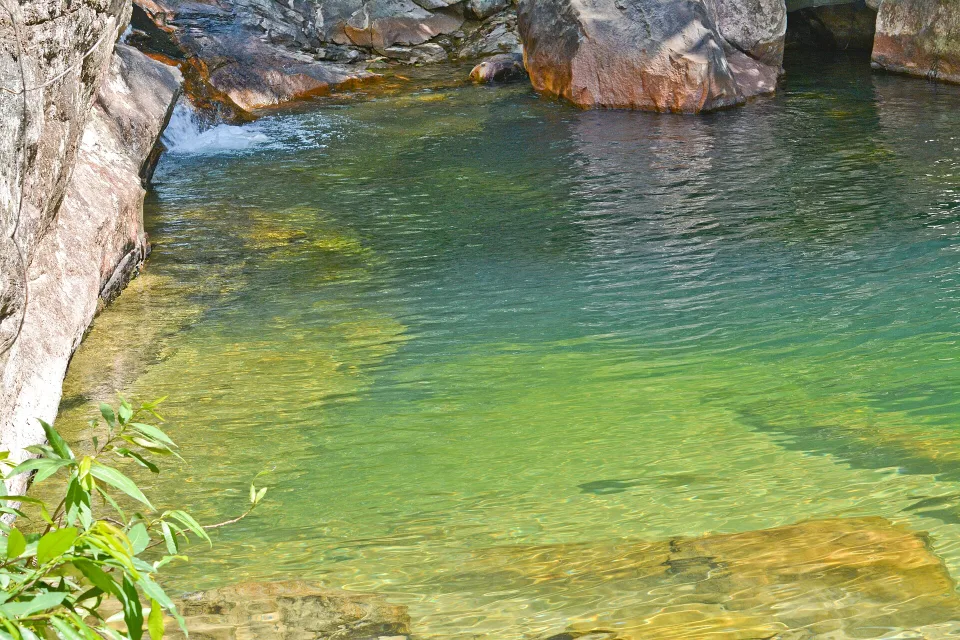
Original high-resolution photograph of Cachoeira do Barata waterfall amid reddish rocks and forest on Serra do Tepequém, Roraima
Photo: Ingrid Torres de Macedo / Wikimedia Commons · CC BY-SA 4.0 · Cropped for layout

Away from the capital

Cachoeira do Barata: the water is part of the journey

This original 2016 photograph captures Cachoeira do Barata on the Serra do Tepequém, a distinct waterfall from Paiva and Sobral. Reaching mountain trails is not the same as visiting a paved attraction in Boa Vista: access may involve rough ground, local permissions and changing water levels. Make the approximately 200 km journey to Amajari worthwhile by staying near the plateau, checking current conditions with local hosts and choosing a single safe waterfall rather than promising to swim at every one.

Compare the plateau and its separate waterfall routes

Where to stay

Four choices: Boa Vista's waterfront, Tepequém's plateau and independent waterfall trails

Separate the city and its Rio Branco viewpoints from the Tepequém plateau and the individual Paiva, Barata and Sobral waterfall routes. The mountain is around 200 km from Boa Vista, and the falls do not share one guaranteed trail, ticket or swimming condition.

Orla Taumanan and Parque do Rio Branco — the capital's riverside

The Boa Vista municipality describes these as connected city spaces with restaurants and river views. They work well for arrival; the Mirante Edileusa Lóz has separate admission arrangements and none of these sites is on the Tepequém plateau.

Serra do Tepequém — an independent highland base

The Amajari municipality places the plateau about 200 km from Boa Vista and connects its history with former diamond workings. Plan the road trip via BR-174 and RR-203, accommodation, fuel and road conditions rather than treating the summit as a casual city day trip.

Cachoeira do Paiva and Cachoeira da Barata — different trails

Amajari identifies Paiva and Barata as distinct waterfalls. Each requires its own safe approach and possibly local permission or guiding. Choose one that matches the group's mobility and current water level instead of promising unrestricted access to every fall.

Cachoeira do Sobral and the mining landscape — another outing

The municipality lists Sobral among the region's attractions, alongside lookouts and the landscape of former diamond exploration. Old mine workings are not public visitor mines; verify access with a local guide and avoid abandoned shafts.

Travel smarter

Three booking and safety checks for Tepequém

A few practical decisions before departure can save time and make the experience easier on the ground.

01

Is Tepequém the same as Monte Roraima?

No. Tepequém is a road-accessible plateau in Amajari; Monte Roraima is a distant border-region expedition with different travel, land-access and permit requirements.

02

Are Paiva, Barata and Sobral always safe to swim in?

No. Trails, water levels, wet rock and river crossings vary with rainfall. Confirm current conditions and do not cross fast-flowing water merely to reach a waterfall.

03

Can tourists freely enter old diamond mine shafts?

No such visitor right is established. Amajari's mining history does not turn abandoned workings into operating museums. Respect landowners and arrange any authorised mining-history interpretation locally.

Weather & timing

When to go

Season matters. These monthly scores combine our current baseline for climate, access and overall travel fit.

Monthly ratings are broad planning guidance, not a weather forecast or confirmation that every activity is operating.

Jan6/10
Feb6/10
Mar7/10
Apr8/10
May9/10
Jun9/10
Jul10/10
Aug10/10
Sep10/10
Oct9/10
Nov8/10
Dec7/10

Build your route

Three days to separate Boa Vista's city sights from Amajari's mountain journeys

Start in Boa Vista, check the road and lodging, then give the plateau a dedicated day and choose one waterfall suited to conditions. Visit a second confirmed site only if weather and access allow; leave enough time for the daylight return. For the recommended 4–6-night stay, add buffer nights rather than stacking every trail on one day.

Day 1

Stay in Boa Vista and prepare the mountain road

Enjoy Orla Taumanan or the river park, checking viewpoint bookings if relevant. Before leaving, confirm your vehicle, fuel, highland lodging and the condition of the BR-174/RR-203 approach.

Day 2

Reach Tepequém and choose one suitable waterfall

Travel early to the plateau and take an authorised Paiva or Barata visit with a knowledgeable local operator. Keep time for delays, weather and a safe return to your accommodation.

Day 3

Visit Sobral or a lookout before a daylight return

Select a second confirmed outing if time and access allow, then travel back toward Boa Vista in daylight. This trip is not equivalent to climbing the distant Monte Roraima.

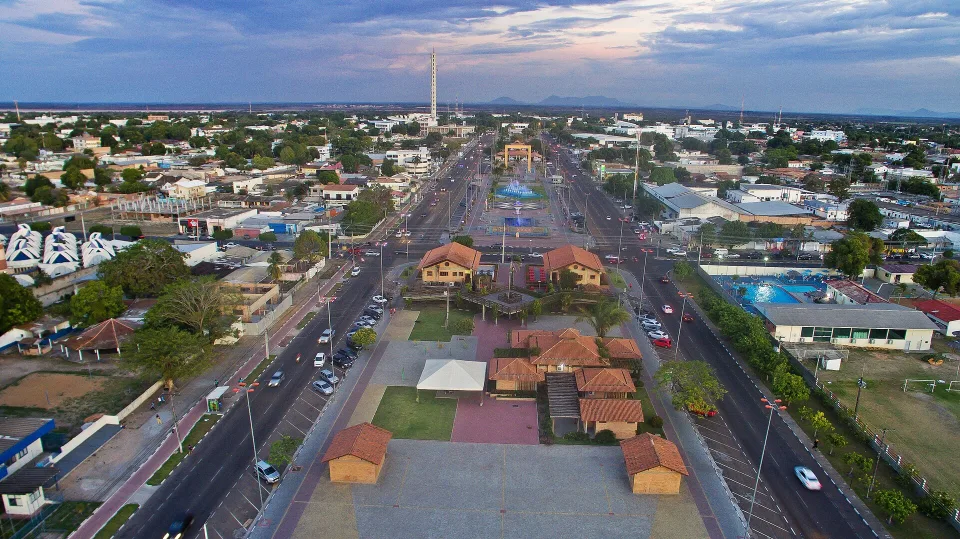
Original 2018 aerial photograph of central Boa Vista in the Brazilian state of Roraima
Photo: Ederson Brito – MTur / Wikimedia Commons · CC0 1.0 · Cropped for layout

The urban half of Roraima

Boa Vista: the calm start before the mountain road

This real 2018 photograph shows Boa Vista, Roraima's capital, before the landscape changes dramatically toward Amajari. Orla Taumanan and Parque do Rio Branco are useful places to begin with a walk and regional food; they are city sights, not features of the Tepequém plateau. The image is historical, so verify the current streetscape and viewpoint hours. Use the city to plan fuel, a suitable vehicle and accommodation before driving into the highlands, ideally returning from remote roads during daylight.

See the practical three-day city-and-mountain route

Travel styles

Who does it suit?

These comparative scores show who is likely to enjoy this destination most—and where expectations may need adjusting.

Repeat Brazil travellers10/10
Active travellers10/10
Slow travel9/10
Backpackers9/10
Friends9/10
Couples9/10
Solo9/10
Families with teenagers8/10

Brasilll

How long should you stay?

We recommend 4–6 nights as a starting point. Include the arrival and departure journeys in your plan, then adjust the stay around the local outings you choose.

Brasilll recommends four to six nights for this combined destination. A practical split is one or two nights in Boa Vista for the city and journey preparation, followed by at least two nights near the Tepequém plateau if nature is the priority. The three-day route below is a compact core itinerary, not a reason to rush your entire stay into 72 hours. An extra day is valuable when rain changes trail access, a local guide is unavailable or you simply want to stop and enjoy the highland views.

Choose lodging based on where you actually want to spend evenings: city restaurants and the Rio Branco waterfront are in Boa Vista, while Tepequém guesthouses put you closer to the waterfalls. Before driving, verify the BR-174/RR-203 approach with local hosts, road conditions, a suitable vehicle, fuel, daylight and the actual location of the accommodation. Do not assume regular public transport between remote trailheads. Bring good-grip footwear, drinking water, sun protection and a rain plan; avoid crossing a swollen stream or entering abandoned diamond shafts.

Found an outdated price, route or detail? Send the page URL, the information that needs changing and a supporting source if available.

Report an error →

Does this sound like your Brazil?

Use Find Your Brasil to compare this destination with the rest of the country using your own priorities.

Plan Brazil

Getting there & moving on

Use these rounded door-to-door estimates to judge the travel day. Confirm the actual service and departure time before booking.

Arrival base

Boa Vista

Typical access Flight · Road

Boa Vista and Tepequém are separate stages: choose city accommodation and a planned road transfer to the highlands, rather than treating the mountain stay as nearby sightseeing.

Good onward connections

These are selected options for your next stop. Confirm operating days, connections and total travel time for your dates.