3 nights · default stay

Brazil · Culture · Food · History

Caruaru & Alto do Moura

Caruaru is where Pernambuco's Agreste becomes a living cultural experience: market stalls selling food and everyday goods, forró, and clay figures that tell the stories of the Northeast. Its celebrated Feira de Caruaru and the ceramic workshops of Alto do Moura are two different places, not attractions on the same street. Give the city a proper market day and the artisans a separate visit; in June, plan far ahead for São João crowds.

Recommended stay2–3 nights
Ease of travel9/10
First Brazil trip8/10
Infrastructure8/10
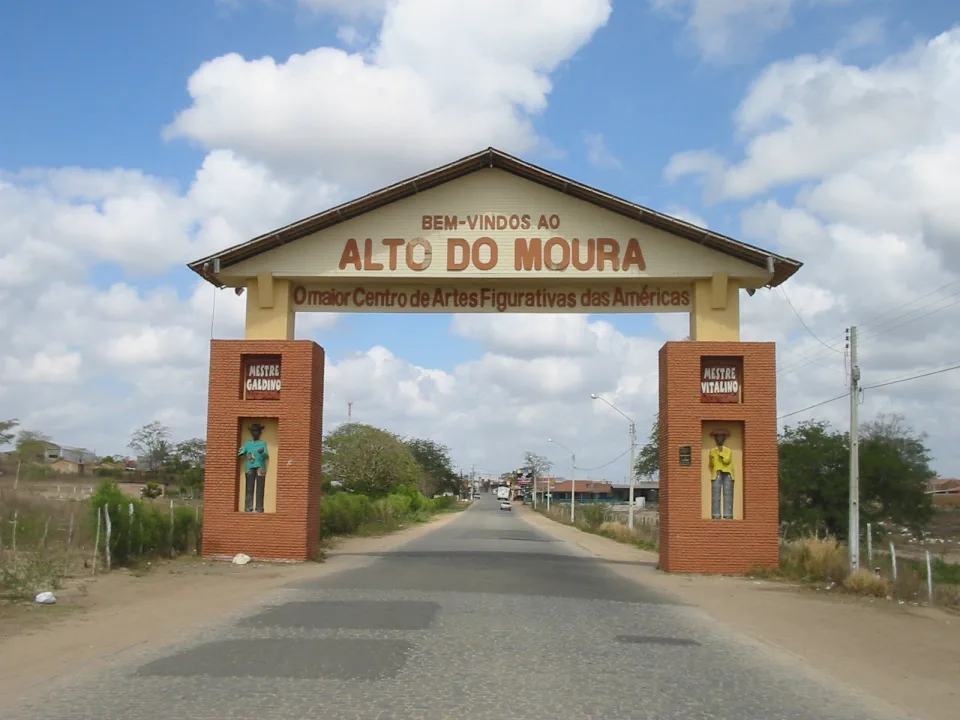
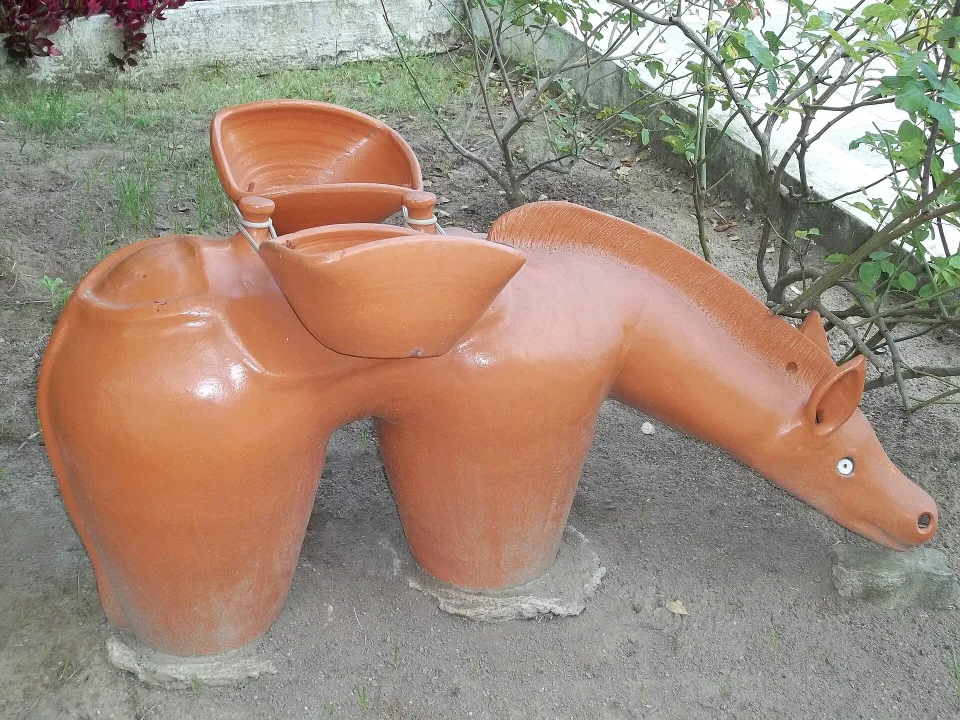
Alto do Moura cultural district in Caruaru, Pernambuco
8.28°S · 35.97°W Culture
Photo: Patrick · CC BY-SA 3.0

Why this place

Caruaru & Alto do Moura

Caruaru is one of the strongest cultural stops between Recife and the Pernambuco interior. Alto do Moura is closely associated with Mestre Vitalino and a living tradition of figurative ceramics, while the city adds markets, regional food, museums and an enormous São João identity. It also breaks the journey naturally toward Vale do Catimbau and the Paraíba interior.

The Feira de Caruaru is listed as Brazilian intangible cultural heritage by IPHAN and is organised across several market sectors around Parque 18 de Maio. It is not just a souvenir stop. People come for regional food, crafts, clothing and the workings of a busy commercial city. Decide which part you want to see, check the relevant trading day and leave room for a meal rather than trying to rush through every section.

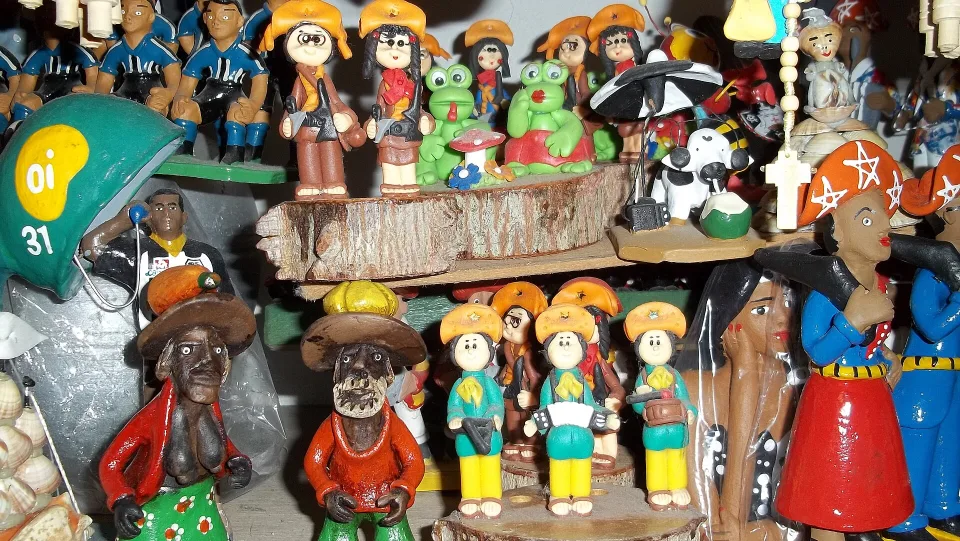
Around seven kilometres from the centre, Alto do Moura continues the figurative clay tradition associated with Mestre Vitalino. It is a neighbourhood of working ateliers, not a theme park: a piece can portray a wedding, musicians, a market scene or everyday rural life. The Casa-Museu Mestre Vitalino offers historical context, while other masters and families sustain different styles. Ask before entering a workshop or photographing an artisan, and consider buying directly from a maker rather than only from a city-centre reseller.
Before you book

Caruaru: visit the living fair and the clay ateliers as two experiences

Caruaru is more than a June-festival stop. IPHAN registered its fair as Brazilian cultural heritage in 2006, while the Alto do Moura ceramic tradition gives visitors a different encounter with the region's artisans.

01

The fair is a working cultural place, not a souvenir aisle

IPHAN describes Feira de Caruaru as a meeting point for everyday commerce, handmade goods, cordel, leather products, foodstuffs and artistic traditions. Go with time to wander different sections rather than expecting one neat 'craft market' building; check current days and opening arrangements with local tourism before fixing the morning.

02

Make Alto do Moura a distinct stop

The IPHAN heritage dossier documents Alto do Moura's ceramic work and the legacy of Mestre Vitalino. The village's clay artists are not simply a stall inside the central fair. Allocate separate transport and time to visit workshops and buy pieces from their makers where possible.

03

Do not treat São João as the entire year

Caruaru's June celebrations are an important reason to come, but they change lodging demand, traffic and the rhythm of the fair. Outside festival season you can still explore the living fair and ceramic workshops. Choose the travel month according to whether you want large concerts and crowds or a more everyday cultural visit.

At a glance

Brasilll scorecard

The same 0–10 scale is used across the catalogue, so strengths and compromises stay comparable.

These are editorial fit ratings, not visitor-review averages or safety guarantees. A high score describes a strength for a particular kind of trip. How to read these scores →

Culture10/10
Food9/10
History8/10
Nightlife8/10
Beach1/10
Nature5/10
Wildlife3/10
Adventure4/10
Local feel10/10
Photography8/10
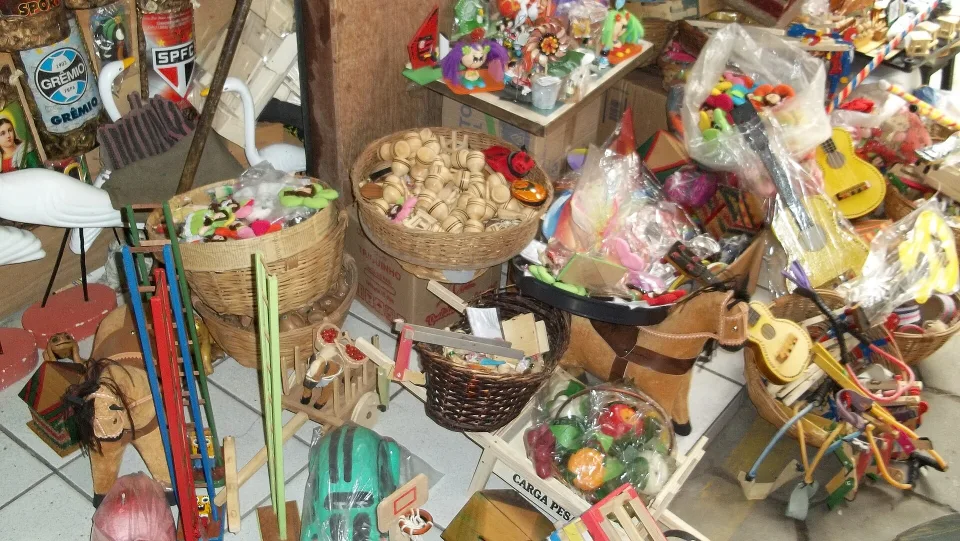
Photograph of handicrafts at the Feira de Caruaru in Pernambuco, taken in 2012
Photo: Edudgarcia / Wikimedia Commons · CC BY-SA 4.0 · Cropped for layout

A working market with a heritage story

Feira de Caruaru: everyday Pernambuco, not just souvenirs

The fair's crafts, regional products and daily trade are central to Caruaru's identity. This genuine photograph of local handicrafts dates from 2012; IPHAN's cultural-heritage listing recognises the wider fair, including its different commercial traditions. The fair is spread across sectors, so check the operating days for the specific areas you want to explore instead of arriving with only a single generic market pin.

Compare the fair, museums and ceramics district

Where to stay

Caruaru: separate the heritage fair from Alto do Moura's workshops

The Feira at Parque 18 de Maio is the city's working heritage; central museums help explain music and clay; Alto do Moura is a separate ceramics neighbourhood; June's São João creates a special festival itinerary but is not the year-round experience.

Parque 18 de Maio: a complex of different markets

The Feira de Caruaru is not a single row of tourist stalls: the city lists food markets, handicrafts, clothes and everyday trading areas around Parque 18 de Maio. The fair was registered by IPHAN as Brazilian intangible cultural heritage in 2006. Check which market section matters to you and its current trading day; the fashion fair does not follow the same rhythm as the general fair.

Alto do Moura: working pottery studios

About seven kilometres from the city centre, Alto do Moura is a distinct ceramics neighbourhood rather than an aisle at the fair. Visit active ateliers to see figurative clay traditions and, when the artist welcomes sales, buy directly from the maker. Leave enough time for a separate local transfer.

Mestre Vitalino's house museum and the other masters

The municipal tourism route includes Casa-Museu Mestre Vitalino and memorials to Mestre Galdino and Mestre Manuel Eudócio. These tell different stories about Pernambuco's ceramic art. Opening hours and which ateliers welcome drop-ins can change; check before planning a museum-focused morning.

São João: a seasonal citywide event, not the whole identity

The June festival creates a very different travel experience, including events in Alto do Moura. Outside June, the fair, food and working ceramics culture remain reasons to visit. Choose the month deliberately rather than expecting festival-level programming all year.

Travel smarter

Three details to check before setting the dates

A few practical decisions before departure can save time and make the experience easier on the ground.

01

A market is several markets

Parque 18 de Maio has distinct sectors and trading patterns. Confirm the relevant day with the municipal tourism listing, especially if you're coming specifically for ceramics, food or clothing.

02

Alto do Moura needs separate transport

The municipality places Alto do Moura around 7 km from the central city. Plan a return trip and check the current opening times of the specific museum and studios you wish to see.

03

Festival travel requires advance planning

June brings a much larger events programme and transport demand, but schedules differ by year. Check the current official São João programme instead of relying on an old concert calendar.

Weather & timing

When to go

Season matters. These monthly scores combine our current baseline for climate, access and overall travel fit.

Monthly ratings are broad planning guidance, not a weather forecast or confirmation that every activity is operating.

Jan7/10
Feb7/10
Mar7/10
Apr8/10
May9/10
Jun10/10
Jul8/10
Aug8/10
Sep8/10
Oct8/10
Nov8/10
Dec8/10

Build your route

A two-day cultural visit, with an optional third day

Explore the different market sectors first, spend a separate day with the ceramic workshops and Mestre Vitalino's legacy, then add an optional third day for confirmed June events or a slower inland transfer.

Day 1

Understand the fair at Parque 18 de Maio

Start with the main market areas and allow enough time for the craft and food sections that interest you. Confirm opening arrangements by sector, not only a generic 'Feira de Caruaru' listing. Finish with a local meal rather than trying to squeeze Alto do Moura into a short afternoon.

Day 2

Give Alto do Moura a proper ceramics day

Travel separately to Alto do Moura; combine the Mestre Vitalino museum with the active ateliers and other memorials that are open. Take the opportunity to talk with artists if they have time, and ask permission before photographing workspaces.

Optional Day 3

Festival programme or a calmer regional continuation

During São João, keep the extra day for confirmed events and crowded evening venues. In other months, choose more workshops or begin a separate inland Pernambuco transfer, allowing for real road time.

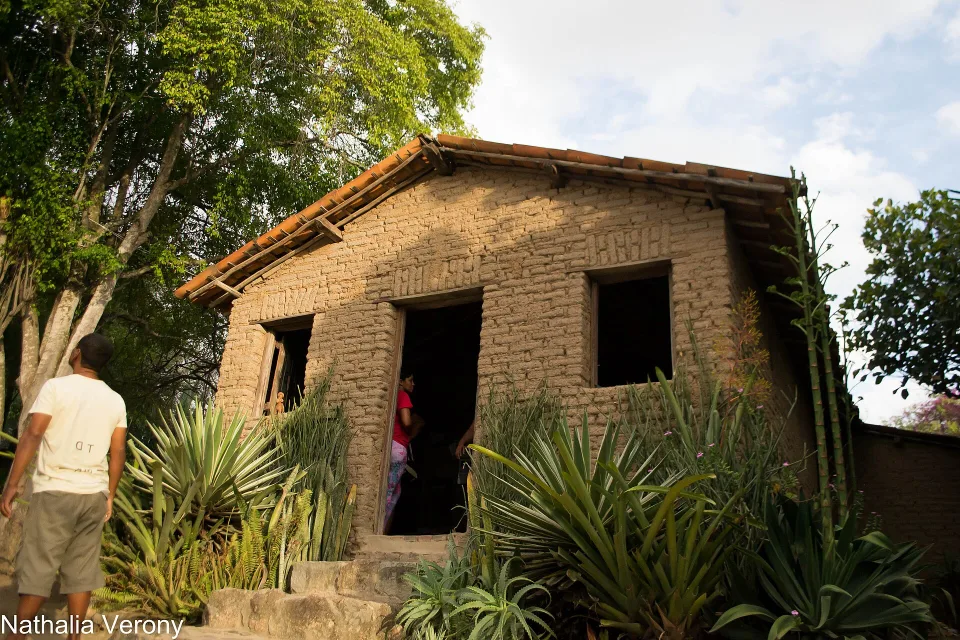
Casa-Museu Mestre Vitalino in Alto do Moura, Caruaru, Pernambuco
Photo: Nathalia Verony / Wikimedia Commons · CC BY-SA 3.0 · Cropped for layout

Where the clay tradition has a home

Alto do Moura: visit Mestre Vitalino's house, then meet the makers

This photograph shows the Casa-Museu Mestre Vitalino in Alto do Moura, a neighbourhood roughly seven kilometres from central Caruaru. The museum introduces the artist whose clay figures helped give Pernambuco's popular culture international recognition. Do not stop at the museum alone: active local ateliers and other masters' memorials reveal a tradition that is still being made. Confirm openings and ask before photographing anyone at work.

Plan the market day and separate ceramics day

Travel styles

Who does it suit?

These comparative scores show who is likely to enjoy this destination most—and where expectations may need adjusting.

Repeat Brazil travellers10/10
Friends10/10
Backpackers9/10
Families with teenagers9/10
Solo9/10
Families with young children8/10
Seniors8/10
Couples8/10

Brasilll

How long should you stay?

We recommend 2–3 nights as a starting point. Include the arrival and departure journeys in your plan, then adjust the stay around the local outings you choose.

Two nights make a good cultural stop between Recife and inland Pernambuco: one day for the central fair and museums, one for Alto do Moura and its ateliers. A third night makes sense during São João or when you want regional food and live music without compressing the visit. Festival programmes change annually, so reserve accommodation for confirmed dates rather than assuming a previous year's concert schedule repeats.

Staying in central Caruaru is convenient for the fair, restaurants and onward road or bus connections. A quieter pousada in Alto do Moura puts ceramics first but requires more planning for trips back into town, especially after evening events. Check the current opening of Casa-Museu Mestre Vitalino and the Museu do Barro/Museu do Forró in the Espaço Cultural Tancredo Neves before constructing a museum-only day.

Found an outdated price, route or detail? Send the page URL, the information that needs changing and a supporting source if available.

Report an error →

Does this sound like your Brazil?

Use Find Your Brasil to compare this destination with the rest of the country using your own priorities.

Plan Brazil

Getting there & moving on

Use these rounded door-to-door estimates to judge the travel day. Confirm the actual service and departure time before booking.

Arrival base

Caruaru

Typical access Road

Use Caruaru as a city base and plan a separate outing to Alto do Moura. During São João, confirm accommodation and transport before relying on normal city-travel assumptions.

Good onward connections

These are selected options for your next stop. Confirm operating days, connections and total travel time for your dates.