Why this place
Aracaju & São Cristóvão
Aracaju is a relaxed Northeast capital with a long waterfront, beaches, markets and regional food, while nearby São Cristóvão adds a much deeper historic layer. Combining the two works well for travellers who want a manageable city base without giving up heritage and local culture.
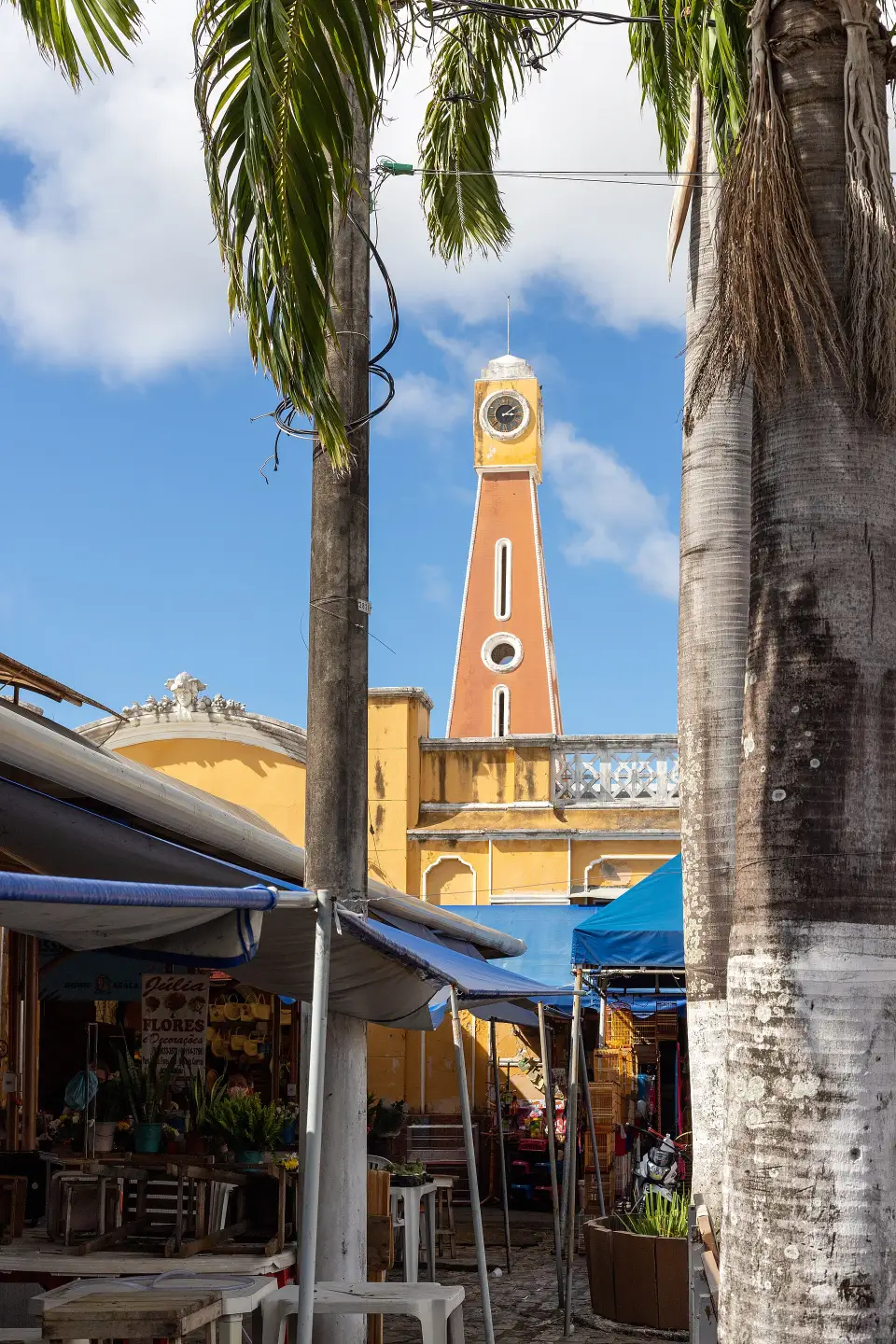
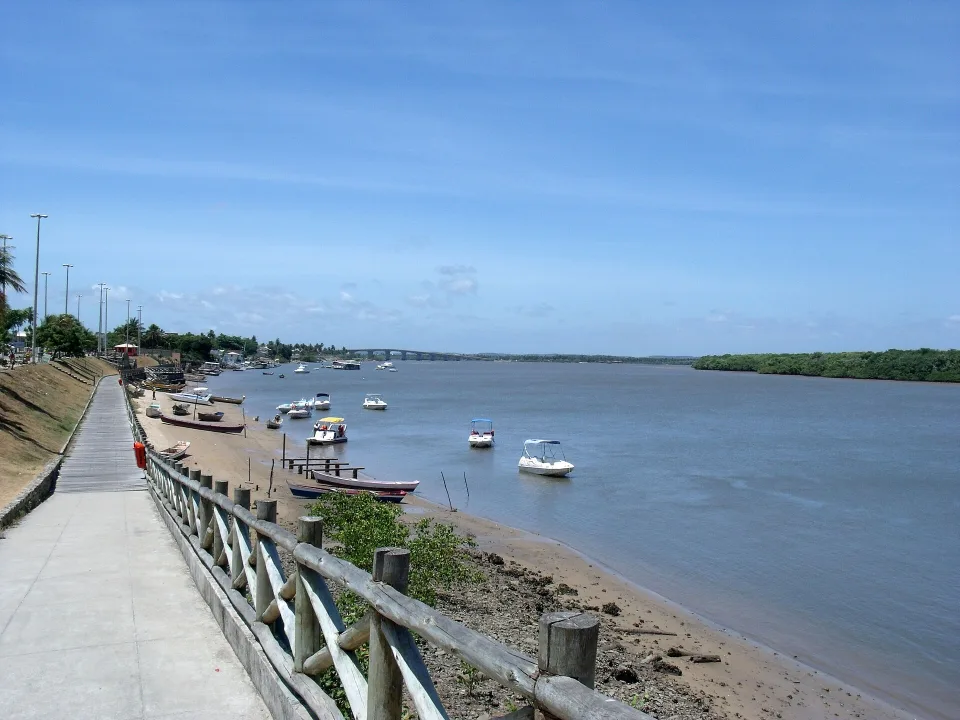
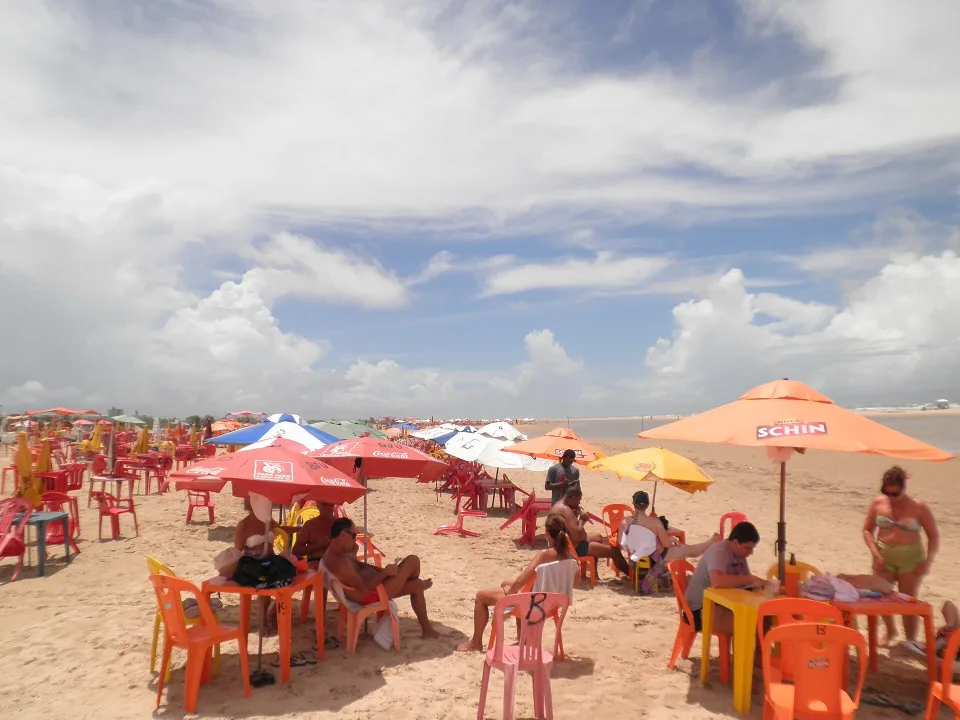
Aracaju's appeal is not one perfect beach photo but the contrast between places. Atalaia is a long Atlantic-facing urban promenade; the historic market quarter sits inland by the city centre; São Cristóvão is a separate municipality with a UNESCO-listed colonial square. Treating all three as a single walking circuit means missing the pleasure of each. Atalaia works as a base for food and relaxed evenings, while the centre rewards a focused visit when stalls and cultural sites are open.
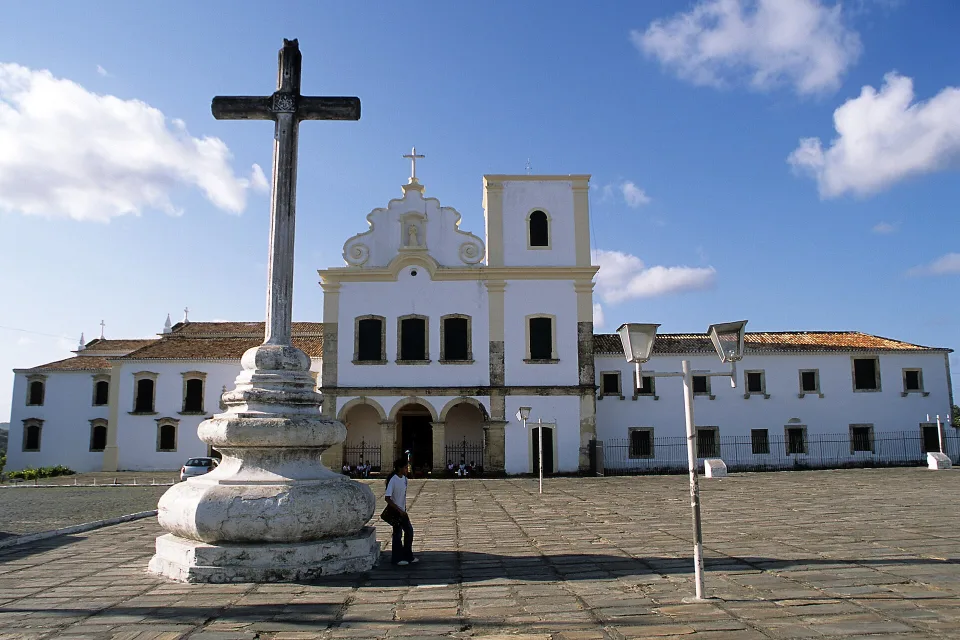
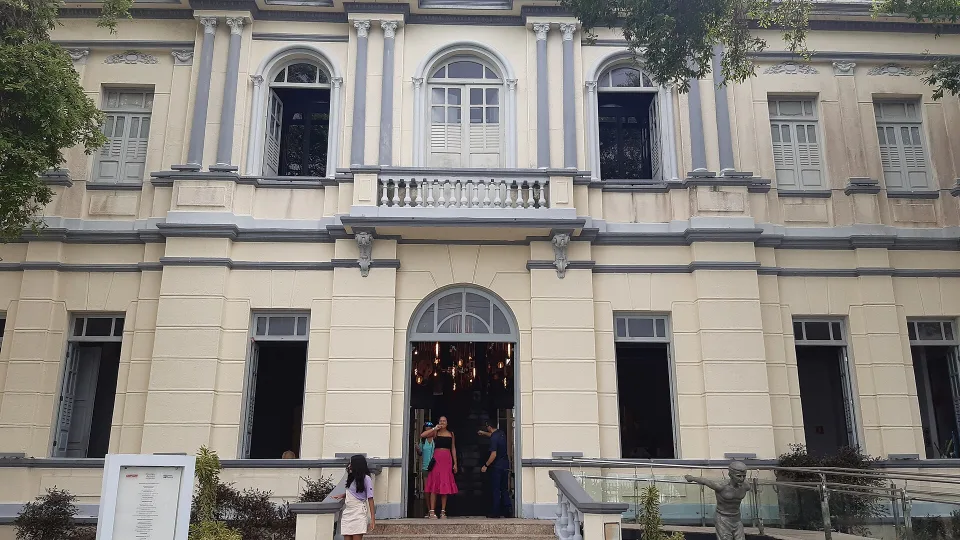
In São Cristóvão, the UNESCO inscription covers the Praça São Francisco and the ensemble around it, including the church and convent, former provincial palace and other important public buildings. UNESCO describes its unusual meeting of Portuguese colonial patterns and Spanish plaza planning. The square dates to another political and architectural world from modern Aracaju; give it daylight and time to visit the town rather than treating its heritage title as a quick photo stop.