4 nights · default stay

Brazil · Marine nature · Wildlife · Premium ecotourism

Abrolhos & Caravelas

Abrolhos is not a typical Bahian beach escape. From the quiet coastal town of Caravelas, authorised boats cross open Atlantic water to protected islands, seabird colonies and a remarkable coral ecosystem. The crossing takes hours, and wind or swell can cancel a long-planned trip. The best decision is not simply which island to see, but whether you want a one-day boat, a multi-night liveaboard, a whale-watching season or clearer summer water for snorkelling. Give the sea an extra day, not a rigid timetable.

Recommended stay3–5 nights
Ease of travel4/10
First Brazil trip6/10
Infrastructure5/10
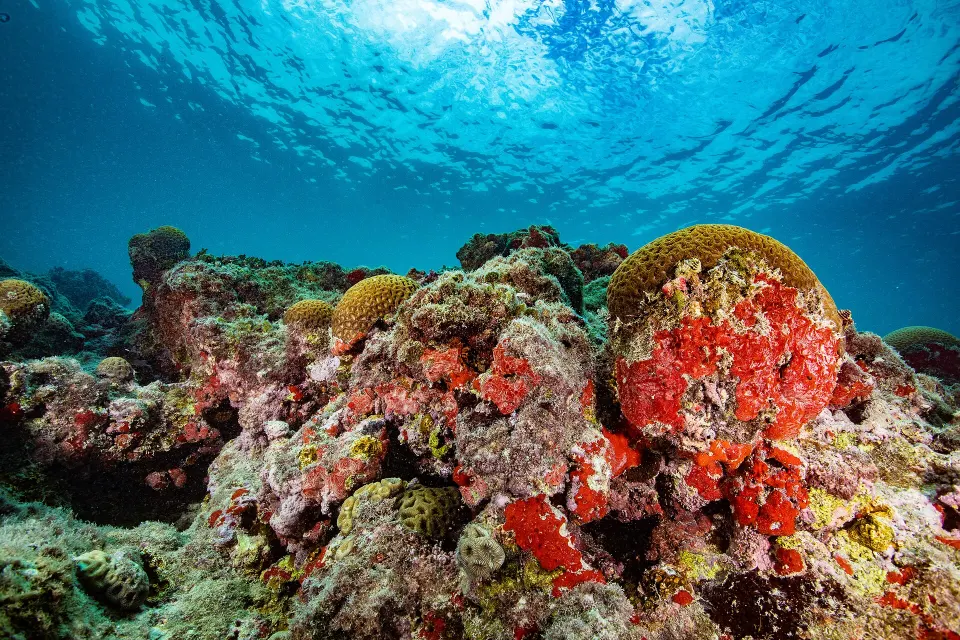
Coral reef in Abrolhos Marine National Park, Bahia
17.97°S · 38.70°W Marine nature
Photo: RobertoCostaPinto · CC BY-SA 4.0

Why this place

Abrolhos & Caravelas

Caravelas is the main gateway to Abrolhos Marine National Park, about 70 kilometres offshore. The archipelago protects an exceptional reef system and one of the South Atlantic’s most important humpback-whale breeding areas. Day boats and multi-day liveaboards create very different trips, while diving, snorkelling, seabirds and seasonal whale watching make the destination unusually rich for marine specialists.

Abrolhos begins in Caravelas, not on the islands themselves. Arrive with enough time to check the harbour meeting point, a current marine forecast and an ICMBio-authorised operator. The national park's visitor centre at Praia do Kitongo is a worthwhile introduction to its birds, reefs and whales, but it is not an embarkation ticket. The national park lies around 70 kilometres offshore. Depending on the vessel and sea, the crossing can consume much of a day; ask for a realistic time onboard as well as actual time at snorkelling spots and any permitted island landing.

The archipelago is a conservation area, not an island-hopping beach playground. Siriba has a guided birdwatching walk; Redonda landings are more restricted and weather-dependent, while Santa Bárbara is under Navy jurisdiction outside the park. Coral pinnacles called chapeirões are another reason to travel, but reef access depends on park rules and the chosen authorised tour. Never feed wildlife, touch coral, stand on the seabed or pursue whales for a photograph. Seeing a turtle or humpback is a privilege, not something a tour can promise.
Before you book

Abrolhos: choose a boat trip, not just a departure date

Marine conditions and the kind of experience you want are decisive here. Whale watching, diving and a day on the islands are not interchangeable products, and the national park has specific operator rules.

01

Whales or underwater visibility? Pick the season for your goal

ICMBio highlights June–November for humpback whale watching and December–April for generally warmer, clearer diving conditions. Sightings and water clarity are never guaranteed. If you care most about a particular activity, choose the date for that activity rather than buying a generic 'best time to visit' package.

02

Authorised companies and qualified diving guides matter

Commercial visits to Abrolhos National Marine Park must be operated by companies authorised by ICMBio. Scuba diving requires an authorised underwater guide and the diver’s certification. Ask for the operator's current authorisation and confirm which equipment, guide, meals and permitted areas the ticket covers.

03

Plan the sea crossing and a weather contingency

ICMBio quotes roughly 2½–5 hours of sailing from Caravelas to the archipelago, depending on boat and conditions. A same-day outing can take nearly the whole day; a liveaboard is a different commitment. Keep a buffer night and ask the operator about postponement or refunds when wind and swell make departure unsafe.

At a glance

Brasilll scorecard

The same 0–10 scale is used across the catalogue, so strengths and compromises stay comparable.

These are editorial fit ratings, not visitor-review averages or safety guarantees. A high score describes a strength for a particular kind of trip. How to read these scores →

Culture5/10
Food7/10
History6/10
Nightlife2/10
Beach5/10
Nature10/10
Wildlife10/10
Adventure9/10
Local feel8/10
Photography10/10
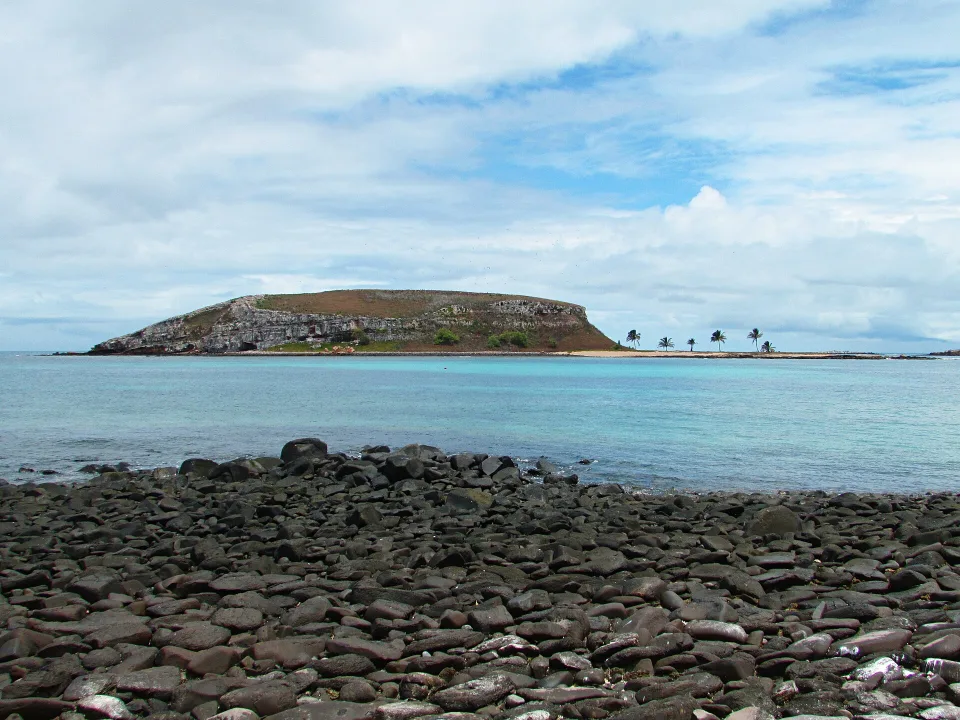
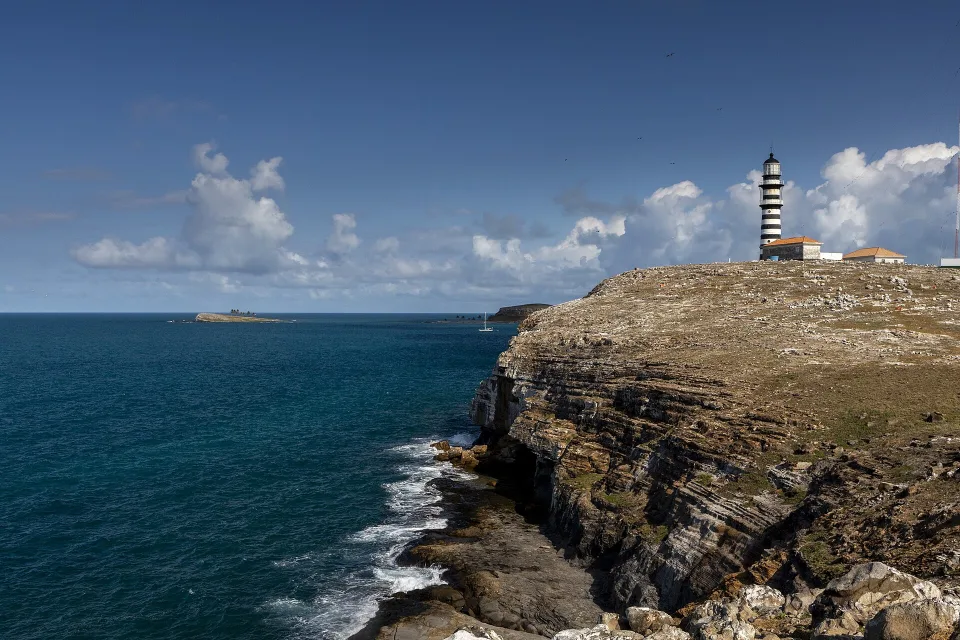
Original panoramic view from Ilha Siriba across the protected Atlantic islands of Abrolhos off the coast of Bahia
Photo: BPRaphael / Wikimedia Commons · CC BY-SA 4.0 · Cropped for layout

Seventy kilometres offshore

Ilha Siriba: Abrolhos is a sea journey, not a beach hop

This original photograph looks out from Ilha Siriba, one of the remote islands reached by authorised boats from Caravelas. A guided landing brings you close to seabird habitat, but arriving at the archipelago is a long offshore crossing and weather can cancel it. Unlike a casual island beach, the trail and wildlife observation are protected experiences with strict rules; ask your operator which landings are included and how much time you will really have ashore.

Compare day boats, island access and liveaboards

Where to stay

Abrolhos starts in Caravelas — day boats, liveaboards and islands differ

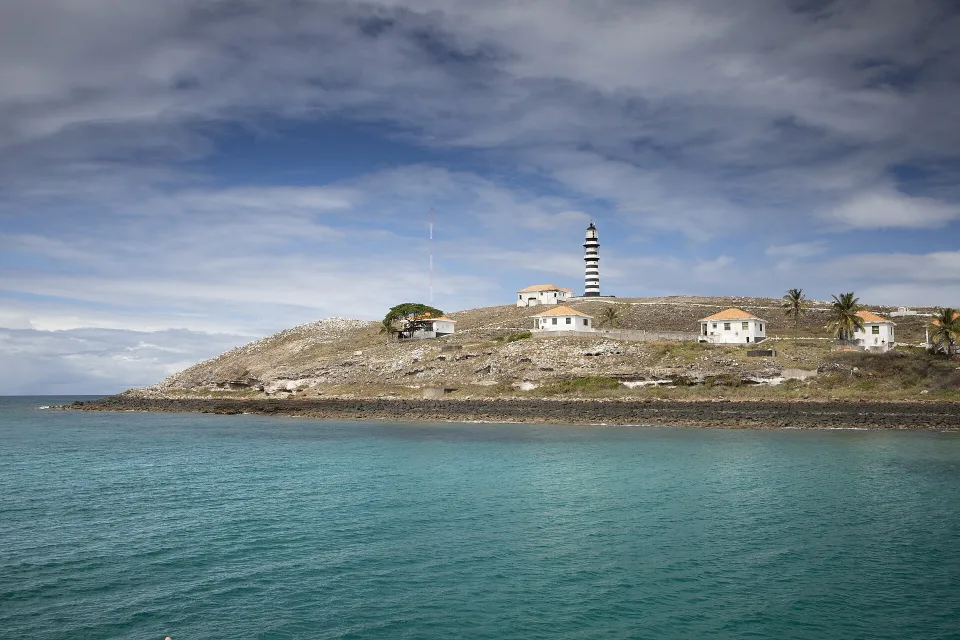
Choose between Caravelas on land, a day boat to Siriba and other permitted sites, a longer liveaboard and the separate protected reef areas. Each means a different schedule, cost and set of authorisations. Santa Bárbara's lighthouse is not a routine tourist landing.

Caravelas — visitor centre and the place to confirm boat departure

ICMBio identifies Caravelas as the mainland gateway with its visitor centre at Praia do Kitongo and operators authorised for park tours. Spend time checking the actual company, harbour, safety arrangements and marine forecast. A visit to the visitor centre is not a substitute for an offshore island ticket.

Day boat to the archipelago — long crossing, one fixed sea day

The federal park describes an offshore trip taking about 2.5 to 5 hours each way depending on the vessel and conditions; day outings commonly operate around 07:00–18:00. Ask exactly how much time remains for wildlife, snorkelling or the guided island walk after transit. Swell or wind can cancel the trip.

Siriba versus Redonda — landings are not interchangeable

ICMBio describes a guided 1.6 km visit on Ilha Siriba, where nesting seabirds are sensitive to disturbance. Ilha Redonda has a more difficult landing usually coordinated with overnight-boat trips when sea and tide permit. Ilha Santa Bárbara is a Navy-controlled island outside the national park and not a routine tourist landing.

Reef sites and liveaboard — an entirely different commitment

Abrolhos protects offshore coral formations and the separate Timbebas reef sector near Alcobaça and Prado. Snorkel and scuba operators must follow park limits; liveaboard voyages of two to four days offer more dive time but are not equivalent to a one-day boat seat. Ask what sites and certified diving services the itinerary actually includes.

Travel smarter

Three marine decisions to confirm before paying

A few practical decisions before departure can save time and make the experience easier on the ground.

01

Can any boat reach the national park, whatever the forecast?

No. ICMBio requires authorised operators and says strong wind and waves can prevent tours; it discourages marine trips above 20 knots of wind. Check the latest authorised list and cancellation policy rather than assuming a guaranteed sailing.

02

Which months suit whales versus underwater visibility?

ICMBio names roughly June–November for humpback presence, particularly July–October, and December–April for warmer, generally clearer diving water. These are different priorities, not guarantees of sightings or visibility on a particular date.

03

Can you walk on every island or visit Santa Bárbara's lighthouse?

No. Siriba access is guided; Redonda depends on sea state and is usually aligned with overnight excursions. Santa Bárbara is under Navy jurisdiction and is outside the park. Ask the operator which landings are genuinely authorised.

Weather & timing

When to go

Season matters. These monthly scores combine our current baseline for climate, access and overall travel fit.

Monthly ratings are broad planning guidance, not a weather forecast or confirmation that every activity is operating.

Jan9/10
Feb9/10
Mar9/10
Apr9/10
May8/10
Jun9/10
Jul10/10
Aug10/10
Sep10/10
Oct10/10
Nov9/10
Dec9/10

Build your route

Three days around Caravelas with a real sea-weather buffer

Build the trip around the weather forecast, not around a fixed photo checklist: confirm an authorised boat after arriving, keep the best sea day for Abrolhos and leave another day free for cancellations or the visitor centre. A multi-night liveaboard requires its own schedule.

Day 1

Arrive in Caravelas and check an authorised operator

Visit the park information centre if open, confirm your booked departure and the latest forecast with an ICMBio-authorised operator. Discuss crossing time and seasickness before deciding whether a day trip suits the group.

Day 2

Take the planned island boat if weather permits

Board only when the operator considers conditions suitable; follow park staff or authorised guides for any Siriba landing. Stay within permitted snorkelling zones and never approach birds or marine mammals for a photograph.

Day 3

Keep a recovery day or commit separately to a multi-day liveaboard

Use the day as a weather contingency or explore Caravelas on land. Travellers choosing a two- to four-day liveaboard need a different calendar and overnight reservation, not this same three-day shore-based schedule.

Original high-resolution photograph of reef and coral scenery in Abrolhos Marine National Park, Bahia
Photo: RobertoCostaPinto / Wikimedia Commons · CC BY-SA 4.0 · Cropped for layout

Life beneath the boat

Abrolhos reef: plan your snorkelling around conditions

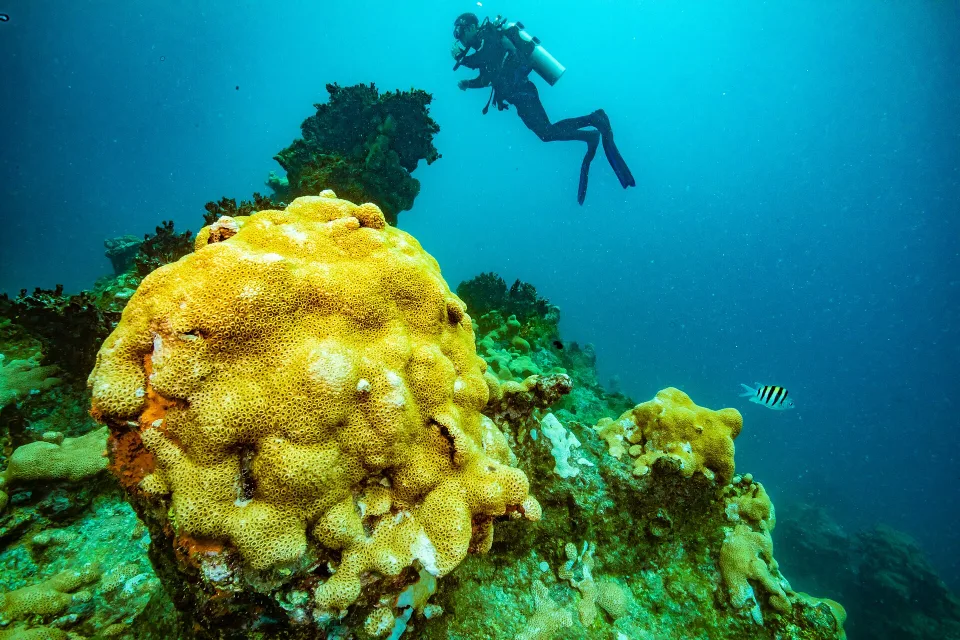
The reef landscape in this genuine local photograph is part of what makes Abrolhos more than a scenic boat trip. The marine park protects remarkable coral formations known as chapeirões alongside fish and other sea life. Water clarity and access depend on weather, current and the operator's permitted site; seeing whales in winter and having the clearest water for diving in summer are different travel goals. Keep fins off coral, avoid touching animals and never chase wildlife for a photograph.

See the sea-weather buffer in the suggested itinerary

Travel styles

Who does it suit?

These comparative scores show who is likely to enjoy this destination most—and where expectations may need adjusting.

Repeat Brazil travellers10/10
Couples10/10
Friends9/10
Families with teenagers9/10
Active travellers9/10
Slow travel8/10
Luxury travellers8/10
Solo7/10

Brasilll

How long should you stay?

We recommend 3–5 nights as a starting point. Include the arrival and departure journeys in your plan, then adjust the stay around the local outings you choose.

Plan at least two or three nights in Caravelas if Abrolhos is the purpose of your trip: arrive and confirm the operator, sail on the best available day, and keep a spare day for rough seas. A one-night dash is risky for anyone travelling far to reach the coast. If you opt for a two- to four-day liveaboard, arrange a different itinerary altogether with nights spent onboard, not additional nights ashore.

Caravelas makes a practical mainland base for restaurants, the visitor centre and departure logistics. Book near town if your tour leaves early, but confirm the actual pier rather than assuming every company uses the same one. Ask what your fare includes: park admission, snorkelling equipment, qualified guides, meals, insurance arrangements and weather-related refunds. Travellers susceptible to seasickness should discuss the boat type and long return crossing before paying. From June to November the whale season is a draw; roughly December through April generally favours warmer, clearer diving water, though the ocean makes the final decision.

Found an outdated price, route or detail? Send the page URL, the information that needs changing and a supporting source if available.

Report an error →

Does this sound like your Brazil?

Use Find Your Brasil to compare this destination with the rest of the country using your own priorities.

Plan Brazil

Getting there & moving on

Use these rounded door-to-door estimates to judge the travel day. Confirm the actual service and departure time before booking.

Arrival base

Caravelas

Typical access Road

Use Caravelas as the mainland departure base and confirm the boat’s actual embarkation point. Coordinate the previous overnight stay with the operator’s departure instructions.

Good onward connections

These are selected options for your next stop. Confirm operating days, connections and total travel time for your dates.