5 nights · default stay

Brazil · Beach · Premium ecotourism · Marine nature

São Miguel dos Milagres & Rota Ecológica

São Miguel dos Milagres is the best-known stop on Alagoas’s Rota Ecológica, but the appeal stretches far beyond a single beach. Here, small pousadas, palm-fringed roads, protected reef pools and quiet coastal communities set a slower pace than a resort strip. Praia do Toque, Porto da Rua and Patacho are not the same base. Choose where to sleep first, then plan a tide-dependent boat outing and time for the neighbouring villages.

Recommended stay4–5 nights
Ease of travel6/10
First Brazil trip8/10
Infrastructure6/10
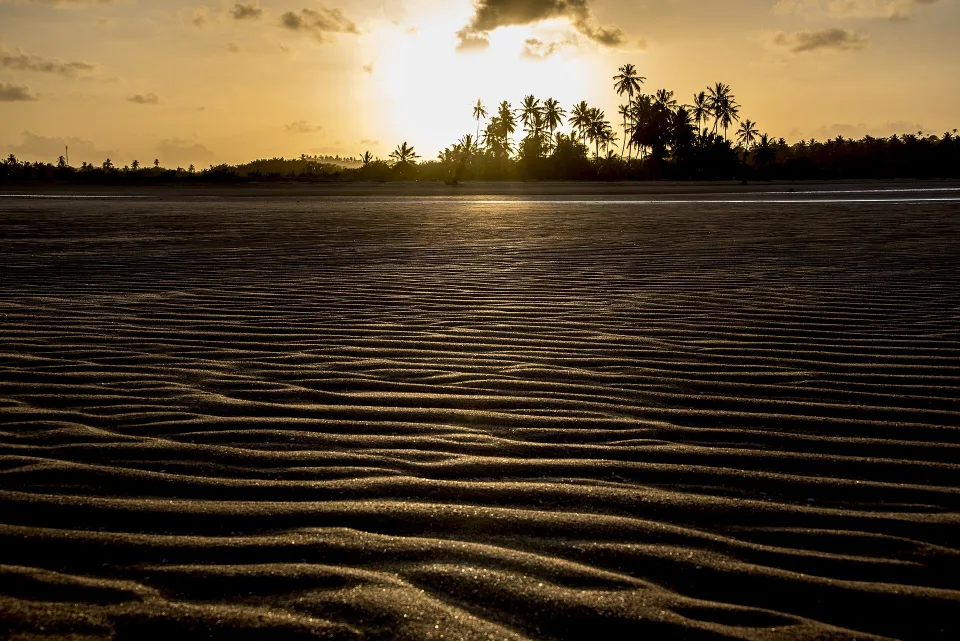
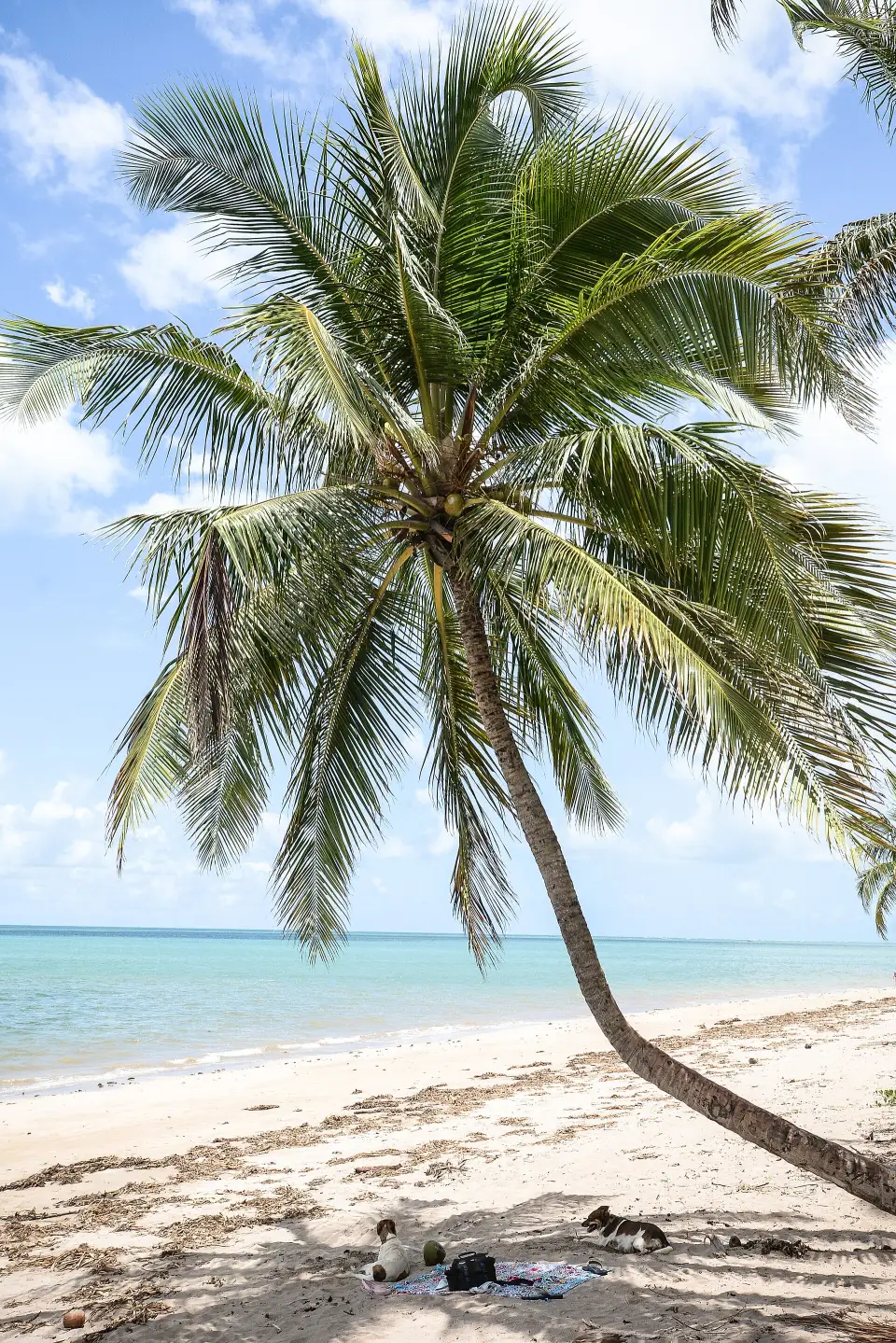
Praia do Toque in São Miguel dos Milagres, Alagoas
9.26°S · 35.38°W Beach
Photo: Marco Ankosqui / MTur Destinos · Public Domain Mark 1.0

Why this place

São Miguel dos Milagres & Rota Ecológica

São Miguel dos Milagres makes most sense as part of the wider Rota Ecológica coast, including Porto de Pedras and beaches such as Patacho and Toque. The appeal is less about a single must-see sight and more about quiet beach time, small pousadas, reef pools and moving slowly between coastal communities inside the Costa dos Corais protected area.

The Rota Ecológica is a collection of places rather than a continuous seaside promenade. A pousada near Praia do Toque can be wonderfully peaceful but inconvenient for dinner elsewhere without a driver. Porto da Rua offers more everyday services; Porto de Pedras and Patacho change the balance towards quieter beaches and longer local transfers. Check an actual address, not just the São Miguel dos Milagres label.

The story also reaches inland from the beach: Rio Tatuamunha and its mangroves support a community-guided conservation experience linked to the threatened marine manatee. This is not a swim-with-wildlife attraction or a guaranteed sighting. Arrange visits with the authorised local association, follow the guide’s instructions, keep your distance and choose to enjoy the river even if no animal appears.
The Brasilll take

The Rota Ecológica is about slowing down, not collecting beaches.

São Miguel dos Milagres is the name most travellers recognise, but the better trip follows the coast through Toque, Porto de Pedras and Patacho. Low-rise development, small pousadas, coconut groves and protected reefs make the region feel very different from a conventional resort strip.

What makes this destination different

01

The route matters more than one village

Think in terms of a coastal corridor. Different beaches and communities are close enough to combine but spread enough that choosing a base affects how much moving around you do.

02

Small-scale accommodation is part of the appeal

The region is particularly strong for pousadas and slow mornings rather than large entertainment-heavy resorts. Choose where you stay as carefully as the beach name.

03

Reef visits remain tide- and rule-dependent

The natural pools sit inside a protected marine area. Current operator, tide and access guidance should always take priority over a fixed itinerary written months earlier.

Before you book

São Miguel dos Milagres: tide and protected reef rules decide the trip

The Rota Ecológica is a series of communities, not one walkable resort. Boat access to the natural pools is regulated and the tide sets the practical window.

01

Read the Navy's low-tide forecast before paying for a pool trip

The Brazilian Navy's Porto de Maceió tide table provides the official regional reference; the boat operator must still assess the actual local sea and weather. Ask for the pool name, departure beach, tide window, return, safety gear and rain or unsuitable-sea cancellation policy before paying. A low tide at the right hour is necessary for many reef visits but never guarantees a safe or legal departure.

02

Use an ICMBio-authorised operator for an open reef area

ICMBio manages the APA Costa dos Corais and publishes which natural pools are open to visitors along with authorised operators and vessel categories. Your chosen beach does not grant unrestricted access to every coral patch. Check the actual provider and approved pool, follow instructions, and never step on living coral, feed fish or use an unapproved motorboat as a substitute for a cancelled traditional boat trip.

03

Choose a real base and check Porto de Pedras road and ferry options

Toque, Riacho, Porto da Rua, Patacho and Porto de Pedras are distinct beaches and settlements along the Rota Ecológica, not a single hotel beach. Before booking a pousada, check the exact address and whether you will need a car, driver or booked transfer. If continuing to Japaratinga, confirm the current Manguaba crossing or inland alternative separately rather than assuming it is part of the beach excursion.

At a glance

Brasilll scorecard

The same 0–10 scale is used across the catalogue, so strengths and compromises stay comparable.

These are editorial fit ratings, not visitor-review averages or safety guarantees. A high score describes a strength for a particular kind of trip. How to read these scores →

Culture6/10
Food9/10
History5/10
Nightlife3/10
Beach10/10
Nature9/10
Wildlife7/10
Adventure5/10
Local feel9/10
Photography10/10
River mouth and mangrove landscape of Rio Tatuamunha on the Alagoas coast
Photo: Edson Carvalho (3d50n) · CC BY-SA 4.0 · Cropped for layout

The living ecosystem beyond the beach

Rio Tatuamunha: mangroves, conservation and local guides

The Tatuamunha estuary reveals a side of the Rota Ecológica that turquoise-water beach photos rarely show. Community-guided, non-motorised river visits are linked to the conservation of the threatened marine manatee, but animals are not performers and sightings cannot be promised. Arrange the trip through the locally authorised organisation, check its current schedule and visitor rules, and never approach or touch wildlife.

Choose a base for beaches and river visits

Where to stay

How to divide your time

Compare Toque and São Miguel for secluded beach stays, Porto da Rua for practical services, and Porto de Pedras or Patacho for a quieter north-coast base. The distances and road approach matter as much as the beach photograph.

São Miguel dos Milagres & Praia do Toque

A central, recognisable base with good access to the region’s classic calm-water beach atmosphere.

Porto de Pedras

A useful north-side base with local-town character and access toward Patacho and the river crossing.

Praia do Patacho

Strong for a quieter, more polished beach stay where the accommodation itself may be part of the experience.

The wider Rota Ecológica

Leave space for short drives, bikes, transfers or walks between beaches rather than staying locked to one property.

Weather & timing

When to go

Season matters. These monthly scores combine our current baseline for climate, access and overall travel fit.

Monthly ratings are broad planning guidance, not a weather forecast or confirmation that every activity is operating.

Jan9/10
Feb9/10
Mar8/10
Apr7/10
May6/10
Jun6/10
Jul7/10
Aug8/10
Sep9/10
Oct10/10
Nov10/10
Dec10/10

Build your route

A strong first visit

Use four unhurried days: settle into your real beach base, visit a permitted reef pool when conditions allow, explore Patacho and Porto de Pedras, then choose between a local beach, a guided mangrove experience or a weather fallback.

Day 1

Choose the actual beach before choosing your pousada

Use arrival day to settle at the beach or village where you booked, whether São Miguel, Toque, Riacho or Porto da Rua. The Rota Ecológica covers several communities, so 'near São Miguel dos Milagres' does not necessarily mean you can walk to a specific natural pool, restaurant or beach. Check the accommodation's exact road access, meal options and transfer arrangements, particularly if you arrive after dark. Reserve your pool day only after looking at the tide for your actual travel date.

Day 2

A protected natural-pool visit at the right low tide

Plan the reef outing around the Brazilian Navy's predicted low tide and the authorised operator's confirmed departure, not a fixed morning slot. ICMBio regulates natural-pool visits in the APA Costa dos Corais, including designated open areas, authorised boats and reef conduct. Ask which pool, embarkation beach, vessel type, capacity, return and cancellation rules are included; do not assume every beach departure visits the same reef. Avoid stepping on living coral, feeding fish or entering zones closed to visitation.

Day 3

Patacho and Porto de Pedras are a separate coastal outing

Travel north to Porto de Pedras and Praia do Patacho, leaving enough time for different beaches, a local lunch and the return journey. These are not all within a few minutes' walk of a São Miguel pousada; check road access, parking or an arranged driver rather than promising a continuous sandy beach stroll. If you intend to continue farther towards Japaratinga, verify the Manguaba River crossing or the road alternative before departure, since the ferry is not included in a generic Rota Ecológica beach tour.

Day 4

Rest day with a genuine weather and tide fallback

Keep a day without a compulsory excursion, choosing a nearby beach, a long meal or another reef window only if the sea and operator rules allow it. The Navy's Maceió tide table is the official regional reference but your captain must still decide safe local conditions; low tide by itself does not guarantee a departure. If heavy rain or rough seas affect the pools, do not swap to an unverified motorboat or try to walk across reef flats. Check transport back to the airport independently of a late boat booking.

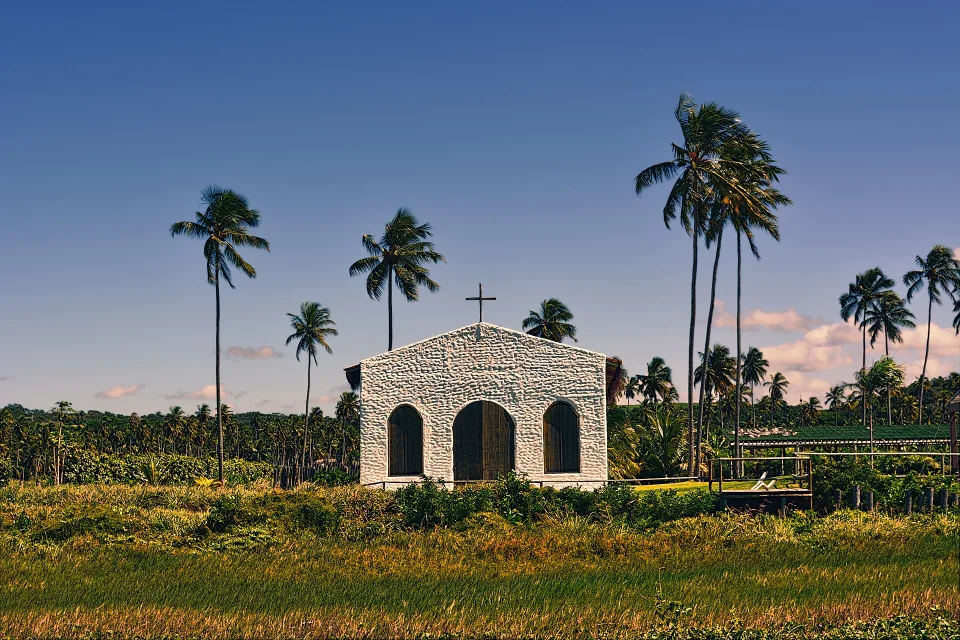
White Capela dos Milagres chapel near the beachfront at Praia do Riacho in São Miguel dos Milagres
Photo: Rafael Vianna Croffi · CC BY 2.0 · Cropped for layout

A landmark along the slower coast

Praia do Riacho: the chapel behind the postcard

The distinctive beachfront Capela dos Milagres at Praia do Riacho adds a recognisable landmark to a region often described only by its beaches. It is associated with private ceremonies, so do not assume the chapel, grounds or a wedding setup are open to walk-in visitors. Treat it as part of the coastal landscape, respect signs and private events, and use the rest of the day for nearby cafés, village life or a quiet swim where conditions permit.

Follow the four-day coast itinerary

Travel styles

Who does it suit?

These comparative scores show who is likely to enjoy this destination most—and where expectations may need adjusting.

Repeat Brazil travellers10/10
Couples10/10
Slow travel10/10
Luxury travellers10/10
Friends8/10
Families with young children8/10
First time in Brazil8/10
Solo7/10

Brasilll

How long should you stay?

Four nights is a strong minimum for the slow-travel promise to feel real. Five nights suits couples and beach-focused travellers especially well because it leaves room for both tide-dependent activities and completely unstructured time.

Four nights let you fit an appropriately timed reef visit, a Porto de Pedras–Patacho day, and a genuinely unscheduled beach day around your arrival and departure. A fifth night makes room for a separate community-led Tatuamunha excursion or simply more rest. Trying to visit every beach in two days defeats much of the region’s appeal.

A rental car or pre-arranged driver can be more useful here than in a conventional walkable resort. Confirm your pousada’s road entrance, evening food options and transfer before booking. If travelling onward to Maragogi or Japaratinga, check the Manguaba River ferry’s current operation and your road alternative; never assume a crossing will be running to meet a flight.

Found an outdated price, route or detail? Send the page URL, the information that needs changing and a supporting source if available.

Report an error →

Does this sound like your Brazil?

Use Find Your Brasil to compare this destination with the rest of the country using your own priorities.

Plan Brazil

Getting there & moving on

Use these rounded door-to-door estimates to judge the travel day. Confirm the actual service and departure time before booking.

Main planning gateway

Maceió

Typical access Road
Gateway transfer Road transfer · ~2 h 10 min Flexible timing · Short transfer block

Start by checking arrivals into Maceió, then confirm the onward transfer to this destination. Treat the road time as a planning estimate and leave some buffer for traffic, stops and local pickup arrangements.

Good onward connections

These are selected options for your next stop. Confirm operating days, connections and total travel time for your dates.