Why this place
Lapa & Caminho das Tropas
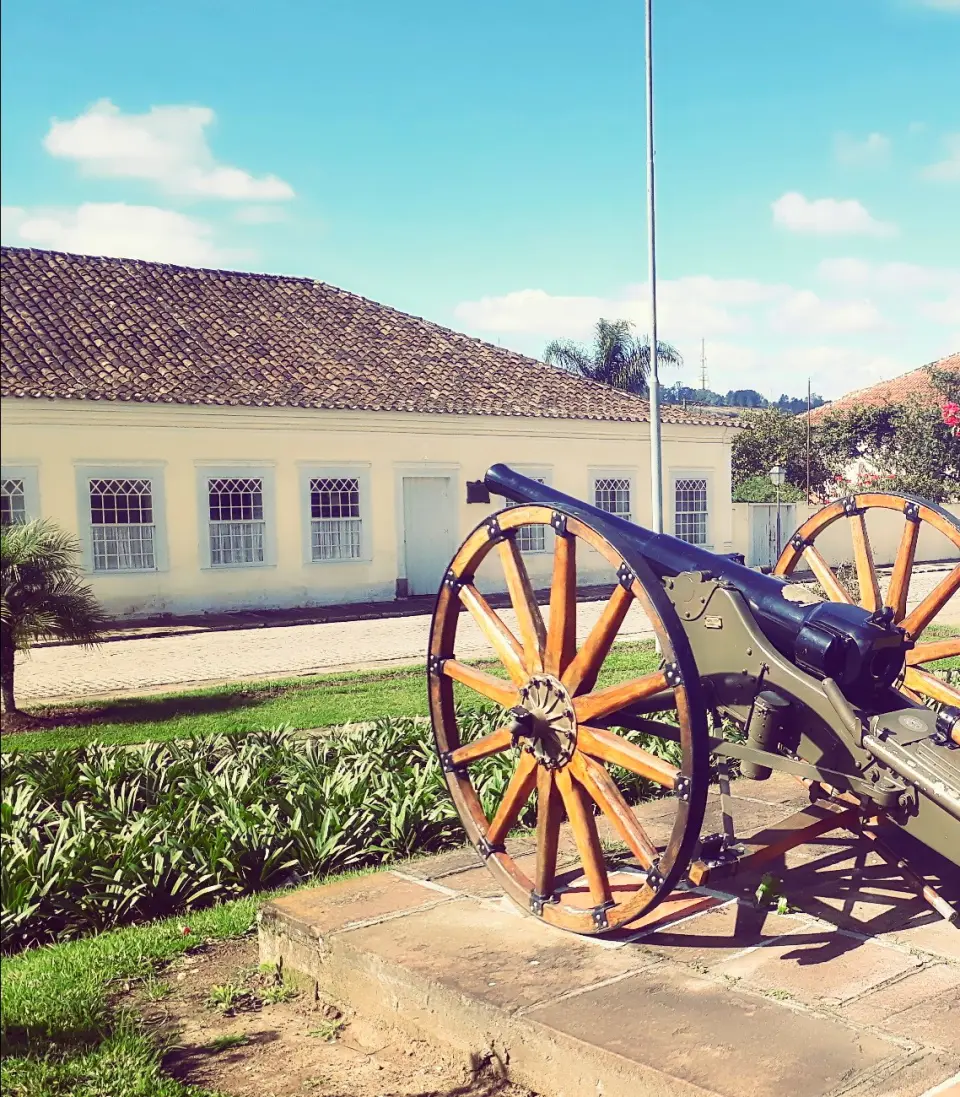
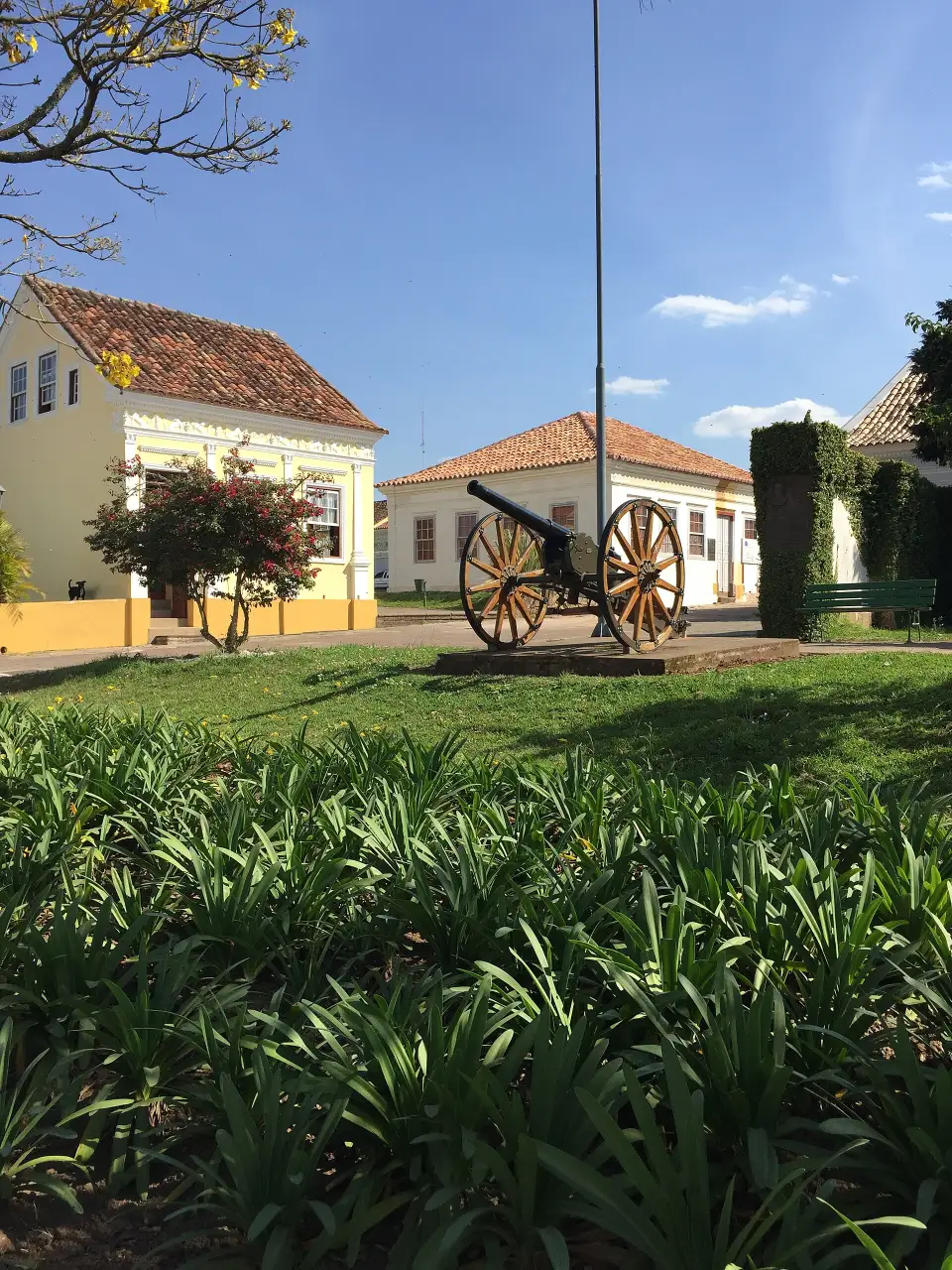
Lapa developed along the historic cattle-driving routes that linked southern Brazil with the Southeast. Its protected centre preserves houses, churches, civic buildings and memories of the Federalist Revolution, while the surrounding countryside keeps the destination connected to tropeiro culture and Paraná’s inland landscapes.
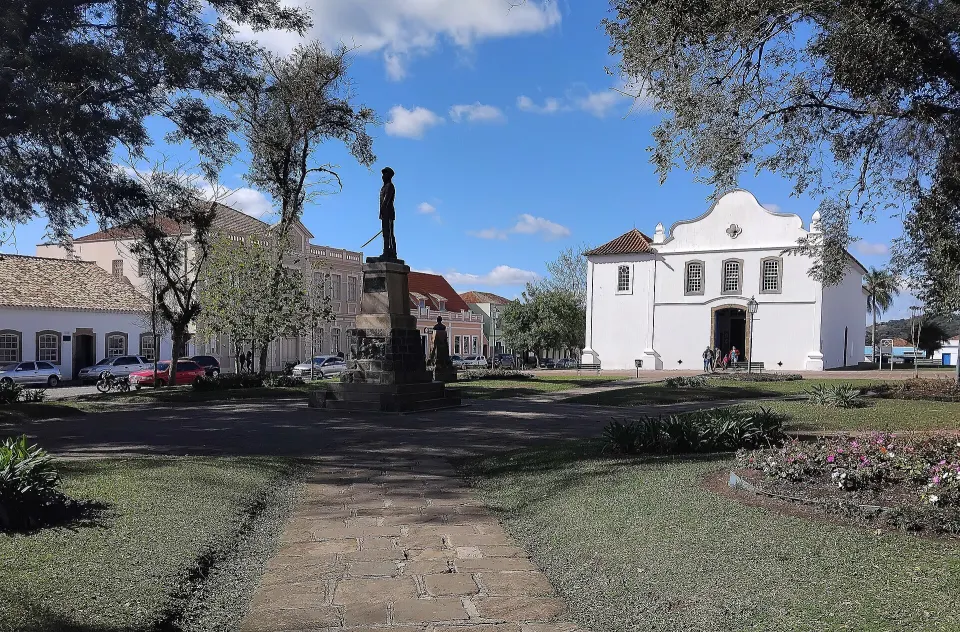
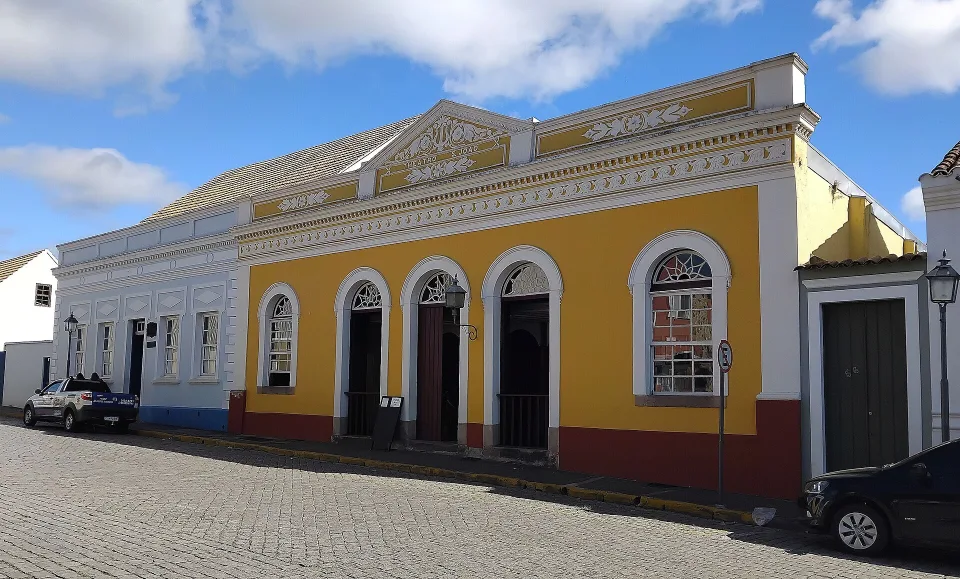
Lapa grew where cattle-driving travellers, the tropeiros, followed the old Caminho de Viamão through the southern highlands. The historic centre is both important and surprisingly manageable on foot: Paraná's heritage authority documents 14 protected blocks and around 235 plots, with the old Matriz church, civic buildings, theatre and private homes among them. Walk slowly enough to notice how the commercial route shaped ordinary streets. Historic protection does not mean every building admits visitors, and the centre is nationally recognised heritage—not a UNESCO World Heritage listing.
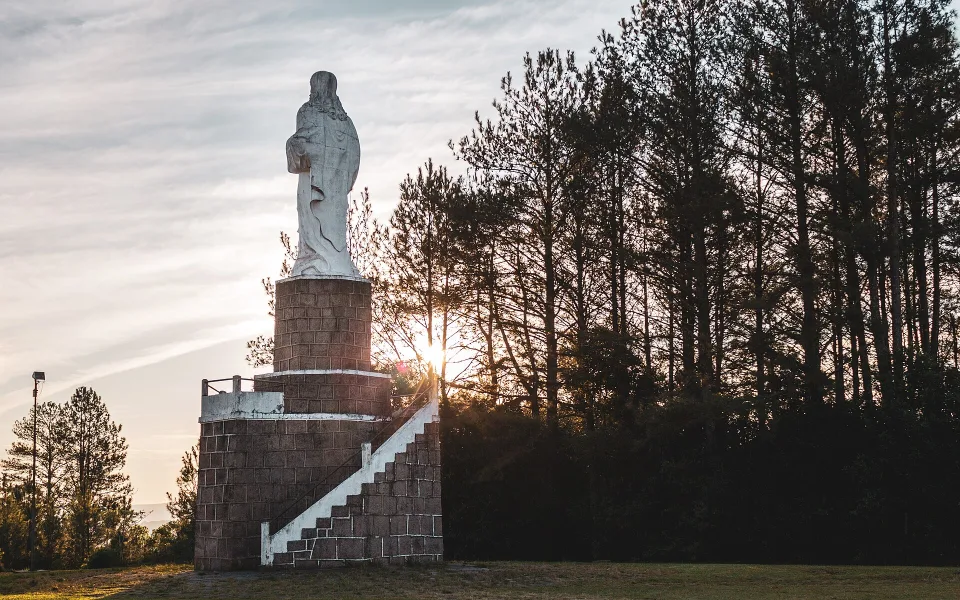
The other defining story is the 26-day Siege of Lapa during the Federalist Revolution in 1894, long after the town's original cattle-route role. Visit the Casa Lacerda or another confirmed-open history collection to understand the conflict, then see the Pantheon dos Heróis as a place of remembrance rather than treating both as the same museum. Teatro São João, inaugurated in 1887, belongs to a different cultural chapter. On another day, drive to Parque Estadual do Monge for the Mirante do Cristo, the Gruta do Monge and nature trails; the religious site and the state park have their own visitor rules.