Why this place
Pipa
Pipa is more than one beach: cliffs, Atlantic Forest, dolphin bays, surf, lagoons and a lively village centre create one of the Northeast’s strongest combinations of nature and social atmosphere.

Brazil · Beach · Nature · Ecotourism
Cliff-backed beaches, dolphins, surf, nature and a cosmopolitan village atmosphere south of Natal.
Why this place
Pipa is more than one beach: cliffs, Atlantic Forest, dolphin bays, surf, lagoons and a lively village centre create one of the Northeast’s strongest combinations of nature and social atmosphere.
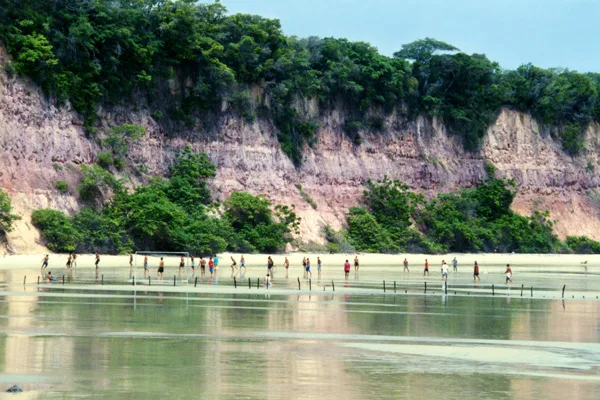
A place should not be reduced to one hero image. These views show different parts of the experience and landscape.
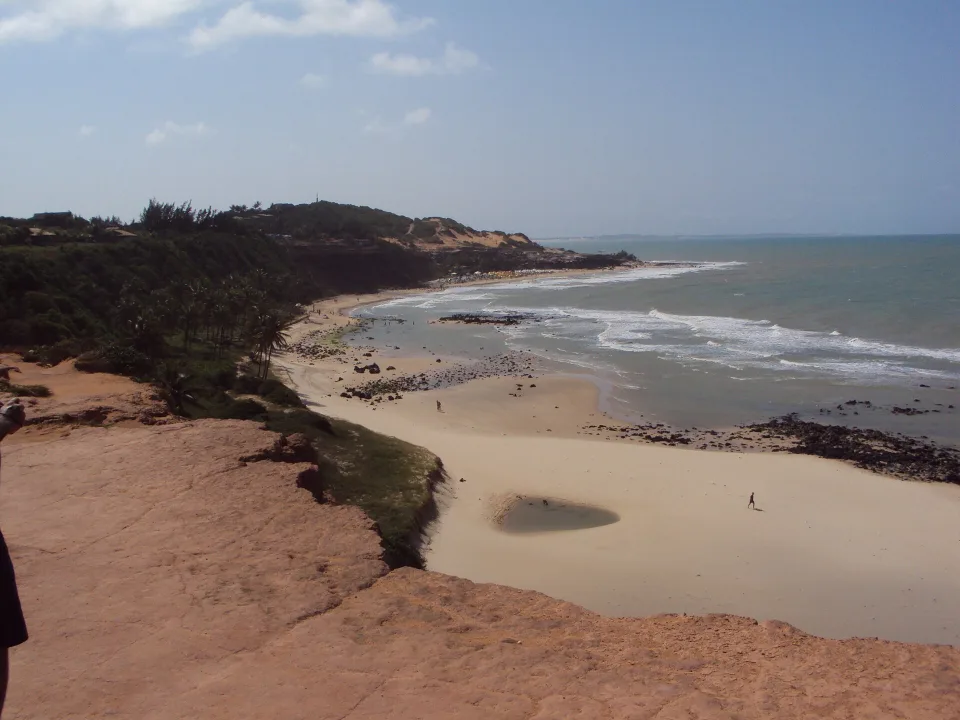
Praia do Amor lies below cliffs beside the Atlantic surf.
Photo: Amandafnegri · CC BY-SA 4.0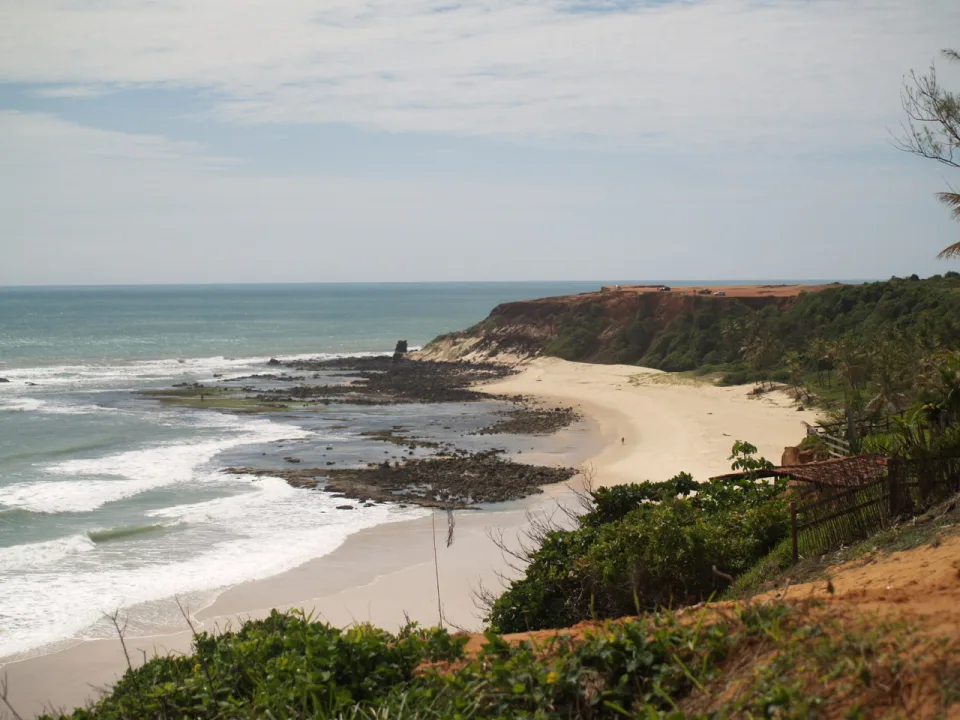
Chapadão offers an elevated view over Pipa’s red cliffs and coast.
Photo: Universos Paralelos de Can! · CC BY 2.0The Brasilll take
Cliffs, Atlantic Forest, natural pools, surf beaches, dolphin bays and an active restaurant-and-nightlife scene sit within a compact section of Rio Grande do Norte. Pipa works best when you use the village as a base and let tide and beach conditions decide where each day goes.
Praia do Centro can form pools at low tide, Praia do Amor is more exposed and surf-oriented, and Madeiro sits below forested cliffs. Moving between them is the real experience.
Baía dos Golfinhos is known for dolphin sightings, but wildlife remains wildlife. Treat an encounter as a possibility rather than a guaranteed performance and keep respectful distance.
Avenida Baía dos Golfinhos fills with restaurants, shops and bars after beach hours, giving Pipa more energy than many small coastal bases.
The same 0–10 scale is used across the catalogue, so strengths and compromises stay comparable.
These are editorial fit ratings, not visitor-review averages or safety guarantees. A high score describes a strength for a particular kind of trip. How to read these scores →
The most convenient base for restaurants, nightlife and access to central beaches, especially if you prefer to walk in the evening.
Best for open-sea scenery, surf and the reddish cliff landscape south of the village.
Forest-backed beaches and the strongest wildlife association; access includes stairs, paths and tide-dependent walking.
A calmer contrast with lagoon scenery, sunsets and a less concentrated village atmosphere.
Some sandy connections become easier or impossible depending on water level. Use stairs and marked routes rather than assuming the shoreline is always passable.
Several beautiful beaches sit beneath cliffs. Travellers with limited mobility should check access carefully before choosing accommodation or a beach day.
Pipa is popular and cosmopolitan. New Year, Carnival and Brazilian holiday periods can mean much higher prices, traffic and nightlife intensity.
Season matters. These monthly scores combine our current baseline for climate, access and overall travel fit.
Monthly ratings are broad planning guidance, not a weather forecast or confirmation that every activity is operating.
Settle in, understand the tide and walk the village before using Praia do Centro or a nearby beach for a low-pressure first day.
Use the forest-backed northern beaches and leave wildlife encounters to chance rather than organising the day around a guaranteed sighting.
Explore the southern side, surf conditions and Chapadão viewpoints, then return for an evening in the village.
Shift away from the busiest village beaches and finish around Guaraíras for a different coastal landscape.
An extra day gives tide and weather flexibility and is better used revisiting your preferred coast than collecting distant stops.
Brasilll
Four to five nights is ideal. Three can work for a fast beach break, but five nights let tide, surf, dolphins, nightlife and a quieter lagoon day coexist without turning the trip into a beach checklist.
Found an outdated price, route or detail? Send the page URL, the information that needs changing and a supporting source if available.
Report an error →Use Find Your Brasil to compare this destination with the rest of the country using your own priorities.
Plan Brazil
Use these rounded door-to-door estimates to judge the travel day. Confirm the actual service and departure time before booking.
Start by checking arrivals into Natal & Genipabu, then confirm the onward transfer to this destination. Treat the road time as a planning estimate and leave some buffer for traffic, stops and local pickup arrangements.
These are selected options for your next stop. Confirm operating days, connections and total travel time for your dates.